Michigan Car Seat Laws | Full Legal Guide For Parents
Don't get fined! Check the new Michigan Car Seat Laws to confirm your child's seat stage. Learn the CPST waiver trick & harness tips.
Author:K. N.Nov 14, 2025974 Shares121.7K Views
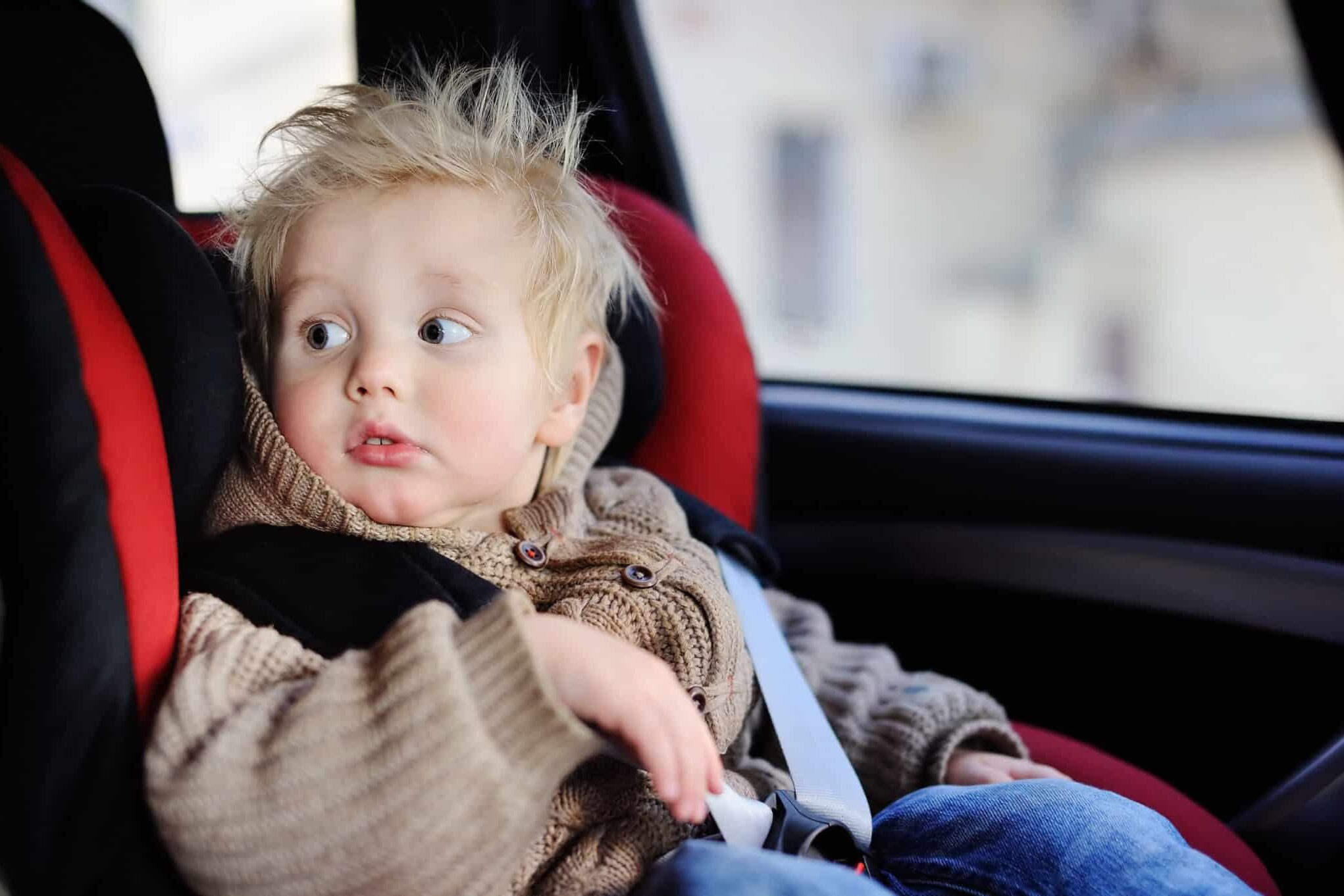
Not Just ‘In A Seat’-In The Right Seat: A Parent’s Guide To Michigan’s Car Seat Laws
The most crucial job for a caregiver in Michigan is ensuring their child's safety on the road. According to the NHTSA, car crashes are the leading cause of death for children under 13, and tragically, many fatalities are preventable through proper restraint.
Michigan's updated requirements, effective April 2, 2025, significantly change the conversation around child safety by placing a greater emphasis on physical development-the height and weight requirements-over arbitrary age minimums.
This definitive guide, grounded in the official Michigan Vehicle Code (MCL 257.710d) and informed by child passenger safety experts, provides the clarity you need to achieve compliance while prioritizing maximum protection.
The Phased Approach: Navigating Michigan's Car Seat Stages
Michigan law outlines a sequential, three-stage progression. Safety experts and Michigan’s child passenger safety materials strongly recommend, even if they meet the minimum age requirement.
1. The Rear-Facing Mandate: Extending Protection
The new law extends the mandatory rear-facing period, recognizing the vulnerability of a young child's neck and spine.
Legal Requirement (MCL 257.710d(2)(a)):A child must be secured in a rear-facing child restraint system until they meet EITHER of the following:
- The child reaches the maximum weight or height limit set by the car seat manufacturer.
- The child is 2 years of age or older. (Previously, the age minimum was 1 year old.)
Expert Safety Insight:While two years old is the legal minimum, experts recommend keeping children rear-facing until they outgrow their convertible seat's limits, often between age three and four. This position is up to five times safer in a frontal crash.
2. The Forward-Facing Stage: Harnessing Control
Once a child exceeds the rear-facing limits, they transition to a forward-facing seat with a 5-point harness, designed to absorb and distribute crash forces across the strongest parts of the child's body.
Michigan Car Seat Laws5-Point Harness (MCL 257.710d(2)(b)):A child must be secured in a forward-facing child restraint system with an internal harness until they meet EITHER of the following:
- The child reaches the maximum weight or height limit set by the car seat manufacturer.
- The child is 5 years of age or older. (Previously, this requirement only extended to age 4.)
Crucial Rule:The new Michigan car seat lawspermit a transition at age 5, but safety is maximized by keeping a child harnessed until they hit the seat's weight or height cap.
3. The Booster Seat Transition: The 4'9" Height Threshold
The booster seat's function is purely to position the adult seat belt correctly across the child's body. This is where the Michigan car seat height and weight requirements become the most critical measure.
Booster Seat Law (MCL 257.710d(2)(c)):A child must be secured in a belt-positioning child booster seat until they meet EITHER of the following conditions:
- The child has reached the height of 4 feet 9 inches (4'9").
- The child is 8 years of age or older.
The 4'9" Rule is King:Legally, your child may leave the booster once they are 8 or reach 4'9", whichever comes first. From a safety perspective, many experts recommend keeping kids in a booster until the adult belt fits correctly, which often isn’t until they’re close to both 8 and4'9".
Related Reading: Virginia Car Seat Laws
Positioning, Enforcement, And Legal Protections
The Mandatory Rear Seat Rule (Under 13)
The law mandates that the back seat is the safest place for children due to the risks associated with front airbags and crash forces.
- Age Limit:All children less than 13 years of age must ride in the rear seat of the vehicle, if one is equipped (MCL 257.710d(4)).
- Front Seat Exception:A child can ride in the front only if all available rear seats are occupied by other children. If a rear-facing seat must be placed in the front, the front passenger airbag must be explicitly deactivated.
Which Vehicles And Situations Are Exempt?
The requirement to use a car seat or booster seat does not apply to every motor vehicle or child in Michigan. The law (MCL 257.710d(6)) exempts the following:
- Mass Transit/Taxis:Buses, school buses, and taxicabs.
- Open Vehicles:Mopeds and motorcycles.
- Classic Cars:Motor vehicles manufactured before January 1, 1965 (as they often lack safety belts).
- Federal Exception:Other motor vehicles not required to be equipped with safety belts under federal law or regulations.
Medical Or Physical Exemptions (MCL 257.710d(9))
If a child cannot be safely secured in a standard restraint due to a physical or medical condition, the law provides a pathway for an exemption:
- The Secretary of State may grant an exemption by rule if the use of a standard child restraint system is deemed impractical.
- The Secretary of State may also specify alternate means of protection for children exempted under this provision. Caregivers must obtain written verification from a physician detailing the condition and the need for alternate protection.
Also Check Out: Neck Injury After A Car Accident
Penalties, CPST Waivers, And Compliance
Violating the law is a civil infraction, but the state provides a clear pathway back to compliance and safety education.
- Fine Structure:The statute caps the child restraint fine at $10, and courts add a mandatory $40 justice system assessment and possible court costs, so your out-of-pocket total is typically in the $50–$60 range.
- High-Value Tip:Fine Waiver: A driver cited for a violation may have the civil fine waived if they provide proof of acquiring the appropriate car seat and evidence of receiving education from a Certified Child Passenger Safety Technician (CPST)on its proper use. This underscores the state's emphasis on correct installation.
Understanding No-Fault Benefits For Minors
For Michigan families, understanding how the law protects an injured child is essential.
- Child's Unique Claim Rights:Under Michigan's No-Fault insurance system, a child injured in an accident has a right to Personal Injury Protection (PIP) benefits, primarily covering medical costs. Critically, this claim right often exists even if the parent was uninsured or failed to properly secure the child.
- Statute of Limitations: A child's right to file a claim for certain damages is extended until one year after they turn 18 years old. This is a powerful protection for the minor.
Seat Safety: Recalls And Installation
Achieving the goals of the Michigan car seat laws 2025 requires ongoing attention to your seat's condition and fit.
- Register Your Car Seat:The National Highway Traffic Safety Administration NHTSAstrongly recommends registering your car seat with the manufacturer using the card provided or the online form. This is the only way to ensure you are directly notified of any safety recalls or defective parts. Each year, millions of seats are recalled, and prompt notification is critical.
- Installation Check:Many fire departments and police posts offer free inspections by a CPST. Getting a hands-on check ensures the harness is snug (no slack) and the chest clip is at armpit level, vital steps for safety.
Frequently Asked Questions (FAQs)
What Are The Height And Weight Requirements For A Booster Seat In Michigan?
A child must be in a belt-positioning booster seat until they are 8 years old OR 4 feet 9 inches (4'9") tall, whichever comes last. The child must also be within the weight and height limits set by the booster seat manufacturer.
Does A 4-year-old Have To Be In A Car Seat?
Yes. A 4-year-old must be secured in a forward-facing car seat with an internal 5-point harness until they meet the manufacturer's maximum limits or reach the age of 5.
How Long Must A Child Sit In The Rear Seat?
Children must be seated in the rear seat of the vehicle until they are 13 years of age or older (MCL 257.710d(4)).
Is A Child's Right To No-Fault Benefits Affected If The Parent Was Uninsured?
No. A child's eligibility for PIP benefits for crash injuries is often preserved, even if the parent or driver was uninsured, though the process may be complicated and involve the Michigan Assigned Claims Plan (MACP).
When Can A Child Sit In The Front Seat In Michigan?
A child may sit in the front seat when they are 13 years of age or older. Prior to that, they can only sit in the front seat if all rear seats are occupied by other children.
Final Thoughts
The new Michigan car seat laws demand more attention to detail than ever before, focusing on the real science of child development. Your commitment to keeping your child rear-facing, then harnessed, and finally in a booster for as long as their size requires is the ultimate expression of safety on Michigan's roads.

K. N.
Author
Latest Articles
Popular Articles