Virginia Car Seat Laws - Prioritizing Child Safety On The Road
When it comes to safeguarding the youngest passengers on Virginia's roads, the state has established stringent car seat laws that outline specific requirements for child restraint systems. Virginia car seat laws are designed to ensure the proper protection of infants, toddlers, and young children while traveling in vehicles.
Author:K. N.Oct 10, 20231K Shares515.5K Views
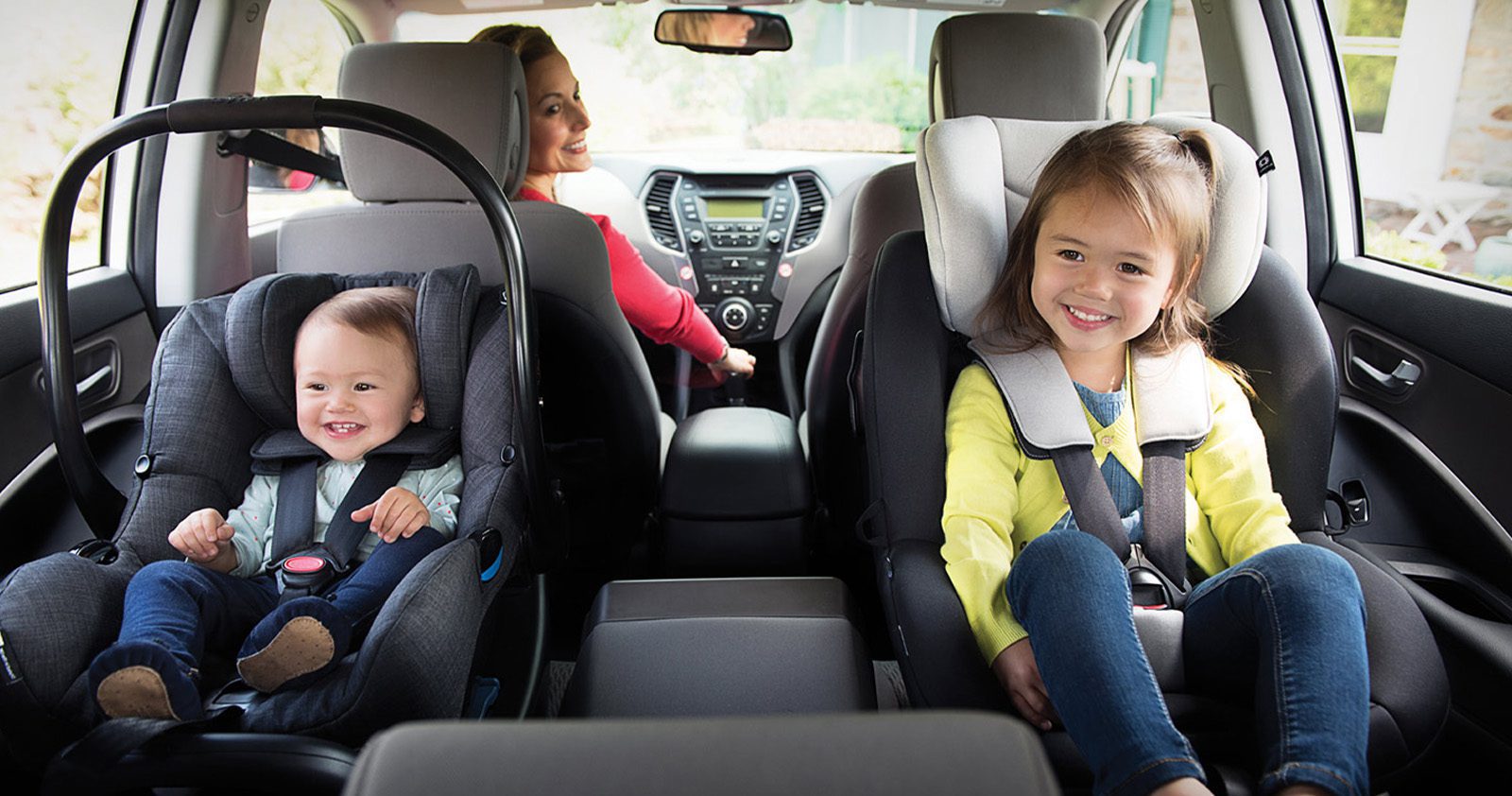
When it comes to safeguarding the youngest passengers on Virginia's roads, the state has established stringent car seat lawsthat outline specific requirements for child restraint systems.
Virginia car seat lawsare designed to ensure the proper protection of infants, toddlers, and young children while traveling in vehicles.
Understanding and adhering to these regulations is not only a legal obligation but, more importantly, a vital step in minimizing the risks associated with accidents and collisions.
This introduction delves into the essential aspects of Virginia's car seat laws, shedding light on their significance and the measures taken to prioritize child safety.
Virginia Car Seat Laws Save Lives
The National Highway Traffic Safety Administration (NHTSA) reports that automobile accidents are the top cause of death for children aged 1 to 13, and that using a proper child seat or harness is the best approach to avoid child car accident fatalities.
Understanding how the correct car seat and the right position may save your child's life is essential, since Virginia's regulations operate in tandem with national recommendations to safeguard children.
While it is important to use a high-quality car seat for your kid, it is as important to use the seat correctly and in the correct location. A child's need for restraints will evolve as he matures. The laws of Virginia handle these facets at each of these stages:
Seat belts. Virginia law mandates that all car seats be installed with the kid facing backward until they reach the age of two. Children who are at least 20 pounds or who have outgrown their rear-facing car seat's weight limit or height restrictions may switch to a front-facing seat.
Seats with added support, or boosters. When a kid reaches the height or weight limit for a booster seat, she should switch to a regular seat belt and remain in it until she is at least eight years old. 4' 9".
Safety belts required. Besides being the right age and height, a kid should also be able to sit upright with her back against the seat back, her knees bent over the edge of the seat without slouching, and her feet flat on the floor.
The shoulder portion of the seat belt should cross over the center of the chest and be worn high over the lap. Otherwise, a booster seat will still be necessary for the youngster.
Seat belts must be looped through the appropriate holes, harnesses must be fastened securely, and the vehicle or booster seat must be positioned at the right angle before use. Last but not least, check that the car seat or booster seat straps are properly positioned over the child's body and snap into place.
Understanding West Virginia Car Seat Laws: A Comprehensive Guide
Virginia Car Seat Requirements By Age
Infants
Children must ride in a safety seat that faces backward until they are 2 years old or until they hit the minimum weight for a forward-facing car seat, which is set by the maker of the seat. Children who weigh up to 40 to 50 pounds can fit in newer car seats.
The American Academy of Pediatrics and the National Highway Traffic Safety Administration also say that you should keep your kid in a rear-facing child safety seat until he or she is 2 years old or longer if the maker has set higher weight and height limits for the seat. This is what the VA Department of Health says.
Age 2 To 7 Years
When a kid is too big for a rear-facing safety seat, they should ride in a forward-facing safety seat with a 5-point belt until they hit the seat's maximum height or weight limit.
The belt is the part of the car seat made of fabric that goes over the baby and holds him or her in place. It has five places where the straps of the belt connect to the car seat.
A booster seat should be used for a kid who is younger than 8 but has outgrown their forward-facing safety seat. A booster seat lifts and places a child so that the lap-and-shoulder belt fits properly over the child's hips and chest.
Age 8+
A child in Virginia can ride in a car with a seat belt and shoulder belt on at age 8. But if a child's seat belt doesn't fit right yet, they should stay in a booster seat.
When seat belts fit correctly:
- The child sits with their back against the seat, their knees bent over the edge of the car seat cushion, and their feet flat on the floor.
- The shoulder belt goes across their chest halfway between the shoulder and the neck. If a child is not in a booster seat, they usually have to be at least 4'9" tall.
- The lap belt goes low and tight across the hips and touches the tops of the legs.
Low-income families who can't afford child safety seats can get help from programs. For more information, call 1-800-732-8333 and ask to speak to someone in the Division of Injury and Violence Prevention at the Virginia Department of Health.
If your child is not in a child safety seat, you could be fined $50. If you break the law again or more than once, you could be fined up to $500.
If you are moving a child who is exempt from this rule because of medical reasons but don't have a signed statement of the exemption, you will have to pay an extra $20 civil penalty fine. All fees are put into a special fund that helps low-income families buy safety seats.
Virginia Rear-Facing Car Seat Law
According to Virginia law, children must ride in a car seat (infant or convertible) facing backwards until they reach the age of two.
Children are far better protected from potentially life-threatening head and neck injuries when they ride rear-facing. Excellent data may be found in this site.
The American Academy of Pediatrics now recommends keeping children rear-facing as long as possible in a convertible car seat.
Almost all modern convertible car seats can hold children up to 40 pounds (height limitations vary, so check your owner's handbook) when seated in the rear-facing position (this is around the size of the typical 4-year-old).
Even though it's not required by law, studies show that children should still use a forward or rear-facing car seat with a harness until they're at least 5 years old, 40 pounds, and physically and mentally ready to sit in an adult seat for the duration of the trip.
There is no minimum age requirement under Virginia law, but children should use a harness car seat until they reach the maximum height or weight allowed by the manufacturer.
Things To Keep In Mind
- Never remove a youngster from a safety seat while the vehicle is moving.
- For youngsters under the age of 13, the rear seat is the safest option. Many traffic safety experts advise taking the rear seat until you have completed your driving training.
- Never put a baby or kid under the age of 13 in the front seat of a car equipped with airbags. If you require this seat to carry children, your car dealer can help you switch off your airbag. Child passenger safety technicians may assist in resolving sitting position problems.
- Always utilize a car seat that has been authorized by the Department of Transportation and is in good working order.
- Make no changes to your vehicle seat. This includes any additional cushioning or positioning devices that did not come with the seat that add bulk under the kid or between the youngster and the harness straps.
- Remove any bulky clothes or outerwear that may prevent the harness from fitting properly. After the youngster has been fastened in, warm up the vehicle and/or cover them with blankets.
- Harness straps should never be twisted and should always be flat. Putting harness straps in the washing machine might weaken them. Wash your car seat according to the manufacturer's directions.
- The harness retention clip (chest clip) is an essential component of the system. It should always be placed at the level of the armpit.
- Tighten the harness system so that there is no slack at the shoulders. Before pulling the harness adjuster, make sure the slack is completely tightened in the hip region.
- Keep a stock of soft toys in the vehicle for entertainment. Attaching hard plastic toys to car seats might hurt your kid in the case of an accident.
- Do not utilize a vehicle seat that has been in a collision. It might be weakened in places you can't see.
- If you do not know the past owners or the history of the car seat, do not use it.
- Never use a car seat with damaged or missing pieces.
- In hot weather, carefully inspect car seat components for hot places that might burn your kid, such as metal harness adjusters or buckles.
- Always fill out and return the car seat registration card to ensure that you are informed of any recalls.
- In the event of a collision, do not remove the kid from the car seat until medical professionals have examined the youngster for injuries.
- Car seats do have an expiration date. Check the seat's bottom for an expiry date. If it is not specified, assume 6 years from the date of manufacturing.
People Also Ask
What Are The Minimum Age And Weight Requirements For Car Seats In Virginia?
Virginia's car seat laws require children to remain in a rear-facing car seat until they reach the age of 2 or the minimum weight limit specified by the seat's manufacturer. After meeting these criteria, they can transition to a forward-facing car seat with a harness.
Can A Child Move To A Regular Seatbelt Directly From A Booster Seat In Virginia?
No, Virginia law mandates that children use a booster seat until they reach either 8 years of age or a height of 4 feet 9 inches. Only after meeting these requirements can a child transition to using a regular seatbelt.
Are There Any Exemptions To Virginia's Car Seat Laws For Special Circumstances?
Yes, there are exceptions to Virginia's car seat laws for medical reasons. If a child's doctor provides written documentation that using a car seat is medically inadvisable, the child may be exempt from the car seat requirements.
What Are The Penalties For Violating Virginia's Car Seat Laws?
Violating Virginia's car seat laws can result in fines and court costs. The exact penalties may vary depending on the circumstances of the violation and the location where it occurs.
Can Uber Or Lyft Drivers Be Held Responsible For Complying With Virginia's Car Seat Laws?
Yes, in Virginia, Uber and Lyft drivers are responsible for complying with car seat laws. The law requires that drivers provide appropriate child restraint systems for passengers who require them, depending on the child's age, weight, and height.
Final Thoughts
Understanding and adhering to Virginia car seat laws is crucial for ensuring the safety of children while traveling.
These laws have been designed to provide a framework that promotes proper restraint and protection for young passengers.
By staying informed about the specific requirements and guidelines outlined in Virginia's car seat laws, parents and caregivers can play an active role in safeguarding the well-being of their children on the road.

K. N.
Author
Latest Articles
Popular Articles