What To Know After A Serious Car Accident
A clear record of the crash, injuries, expenses, and communications can help an injured person address medical, insurance, and legal questions as they develop.
Author:K. N.Oct 14, 20262 Shares43 Views
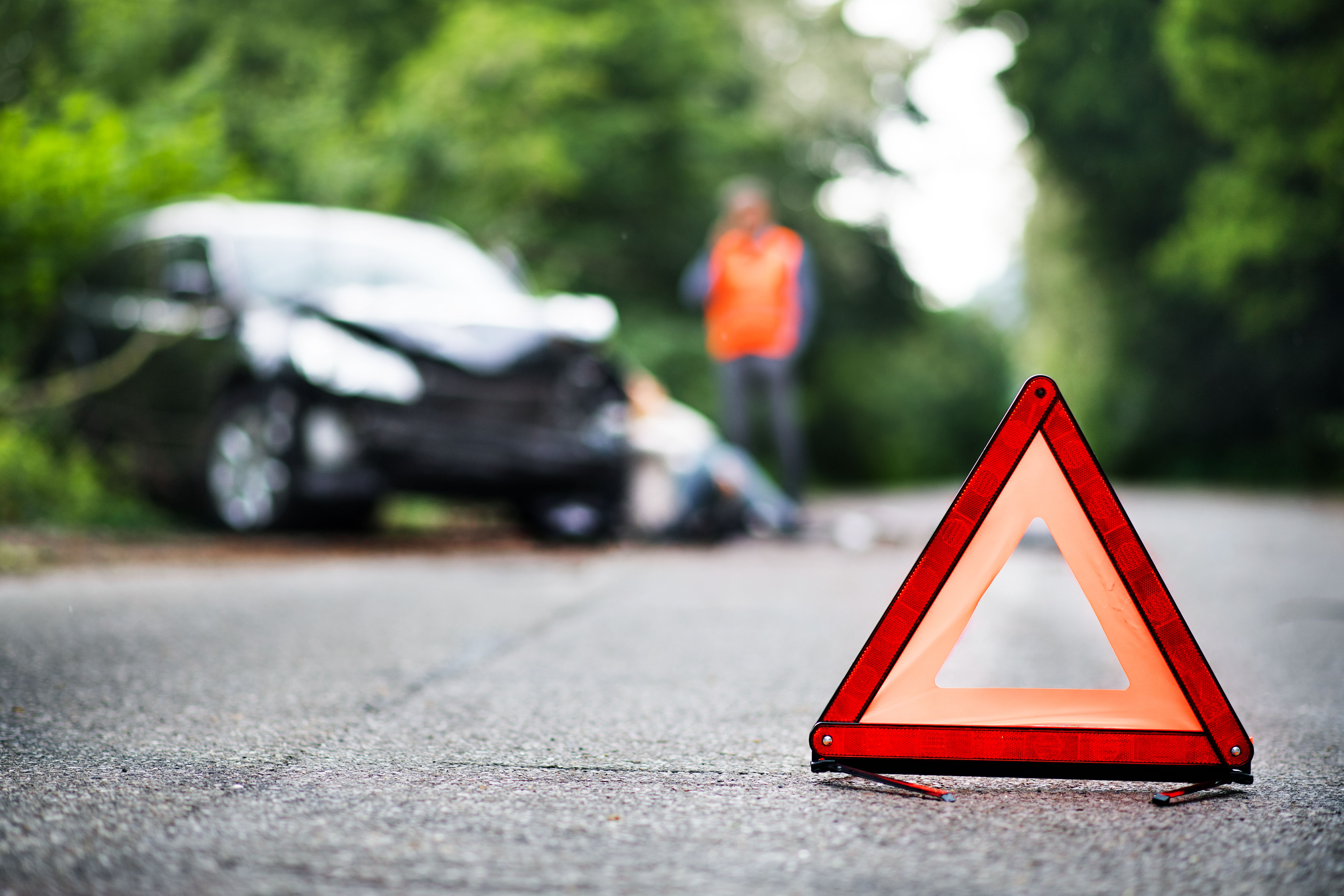
A serious car accident can leave someone trying to make urgent decisions while shaken, injured, or unsure what happened. Immediate safety and medical needs come first, but information gathered during the following hours and days may also affect insurance claims and questions about responsibility.
A person facing serious injuries, disputed fault, or complicated insurance issues may want to learn how legal guidance fits into the process. One Charlotte-area resource appears under Shane Smith Law car accident lawyer in Charlotte, although whether an attorney is appropriate depends on the circumstances and applicable law.
The scale of roadway harm provides important context. TheNational Highway Traffic Safety Administration (NHTSA)reported that crashes involving distracted drivers killed 3,208 people and injured more than 315,000 in 2025. The NHTSA puts the central safety principle plainly: “When we’re behind the wheel, we must focus on one task: safe driving.”
What To Do After A Serious Car Accident
The first priorities after a car accident are personal safety and emergency assistance. Someone who is able to do so should move away from immediate danger, check whether others need help, and call emergency services. If moving a vehicle can be done safely and is appropriate under the circumstances, it may reduce the risk of another collision.
Law enforcement can document the scene, speak with the people involved, and prepare a crash report. Drivers should exchange identifying, vehicle, and insurance information without guessing about fault. If an injured person cannot safely collect information, a passenger or trusted person may be able to assist.
Seek Medical Attention After A Car Accident
Some crash injuries require immediate emergency care. Others may not be apparent until pain, stiffness, dizziness, headaches, or restricted movement develops later. A driver who initially believes the crash caused only property damage might notice neck or back symptoms that evening or the next morning.
Appropriate medical evaluation can address health concerns and create a record of reported symptoms, examination findings, and recommended treatment. A Centers for Disease Control and Prevention (CDC)analysis of emergency-department data identified 137,325 visits involving pedestrians injured in motor-vehicle crashes between January 2021 and December 2023, illustrating how traffic incidents can create substantial medical needs for people inside and outside vehicles.
How To Document A Serious Car Accident
When it is safe, a person can photograph vehicle positions, damage, road conditions, traffic signs, debris, skid marks, and visible injuries. Wider photographs may provide context that close-up damage images cannot.
Witness names and contact details may become important if drivers later disagree about what occurred. Other useful records can include the police report, medical records, bills, medication receipts, repair estimates, towing invoices, rental-car costs, and insurance correspondence.
A simple timeline can also help. It might record when the crash occurred, when symptoms began, which medical appointments followed, and when each insurer made contact. The timeline should remain factual rather than contain guesses about responsibility.
What To Know About Car Accident Insurance Claims
Insurance companies commonly request statements, records, photographs, estimates, and other information while evaluating a claim. Their review may address liability, property damage, injuries, medical expenses, policy terms, and available coverage.
An injured person should answer questions accurately and keep copies of submitted materials. Before signing a release or accepting a settlement, they should understand which claims and losses the agreement covers. This matters when treatment is continuing, repair costs are unsettled, or the longer-term effects of an injury remain uncertain. It does not mean that every insurer acts improperly, but important documents deserve careful review.
How Fault Is Determined After A Car Accident
Responsibility may be evaluated through driver accounts, police observations, witness statements, photographs, video, vehicle damage, road conditions, and other available information. A two-vehicle collision may still produce conflicting explanations, while a chain-reaction crash can involve several impacts and separate insurance investigations.
Law News Network’s discussion of how fault is determined in a multi-car pileupshows why evidence from different sources may be needed to reconstruct the sequence. A police report can provide an early record, but photographs, witnesses, and physical damage may add further context.
When To Consider Legal Help After A Serious Car Accident
Legal guidance may be worth considering when injuries are substantial or persistent, fault is disputed, several vehicles or parties are involved, or an insurer challenges important parts of the claim. Questions about deadlines, available coverage, and future losses may also require case-specific advice.
For example, a driver injured in a disputed intersection collision may face continuing treatment, missed work, and differing accounts from the other driver. An attorney could review the available evidence, explain the relevant legal process, and communicate with insurers. That assistance does not guarantee a particular outcome.
Protecting Health, Records, And Available Options
The proper response to a serious accident depends on the individual facts. Addressing medical needs, preserving records, documenting expenses, and reviewing communications carefully can give an injured person a clearer basis for deciding what to do next.
Frequently Asked Questions About Serious Car Accidents
What Should Someone Do Immediately After A Serious Car Accident?
They should prioritize safety, call emergency services, obtain medical assistance, cooperate with responding authorities, exchange required information, and document the scene when it is safe.
Should Someone See A Doctor If They Feel Fine?
Some symptoms may develop later. A person who experiences pain, dizziness, headaches, restricted movement, or other concerns should seek appropriate medical evaluation.
What Evidence Should Be Collected?
Useful materials may include photographs, videos, witness details, the crash report, medical records, bills, repair estimates, receipts, and insurance correspondence.
What If The Other Driver Disputes Fault?
The person should preserve available evidence and avoid speculation. Photographs, witnesses, vehicle damage, reports, and other records may help clarify the sequence of events.
When Might An Attorney Be Helpful?
A consultation may be appropriate when injuries are serious, responsibility is contested, multiple parties are involved, or insurance and procedural questions become difficult to manage.
This article provides general information and does not constitute legal advice.
Jump to
What To Do After A Serious Car Accident
Seek Medical Attention After A Car Accident
How To Document A Serious Car Accident
What To Know About Car Accident Insurance Claims
How Fault Is Determined After A Car Accident
When To Consider Legal Help After A Serious Car Accident
Protecting Health, Records, And Available Options
Frequently Asked Questions About Serious Car Accidents

K. N.
Author
Latest Articles
Popular Articles