Understanding Your Options After A Car Accident
The steps taken after a collision may affect medical care, insurance questions, and the information available if a dispute develops.
Author:K. N.Oct 18, 2026
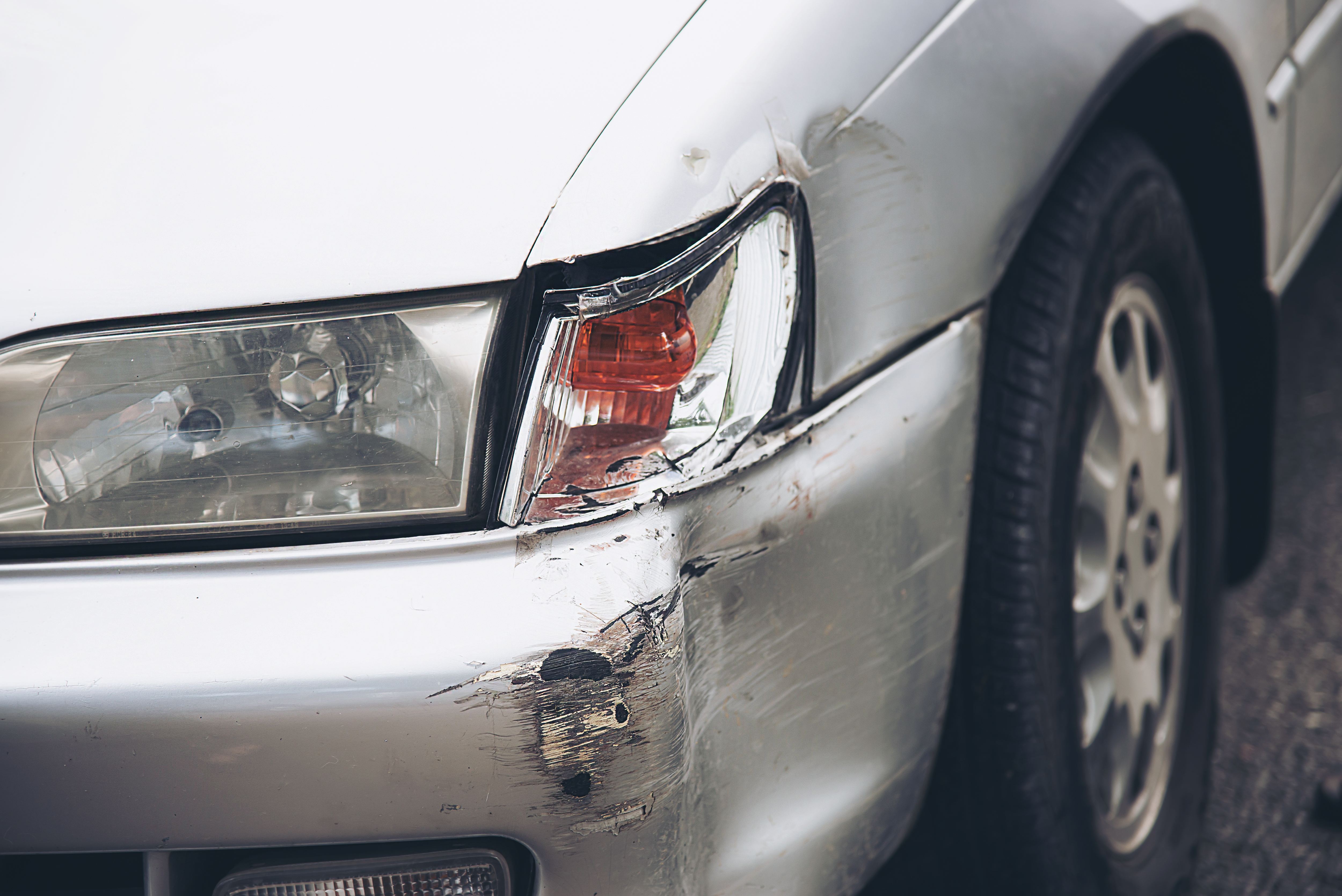
A car accident can leave a driver facing several decisions at once. They may need to address immediate safety, arrange transportation, report the collision, seek medical care, and begin an insurance claim, often before the full effects of the crash are clear.
The appropriate response depends on the injuries, property damage, available coverage, disputed responsibility, and supporting evidence. When legal questions arise, speaking with a Fort Lauderdale car accident lawyermay help someone understand how those factors apply to the individual situation.
Road safety remains a nationwide concern. According to the National Highway Traffic Safety Administration (NHTSA), crashes involving distracted drivers killed 3,208 people and injured more than 315,000 in 2024. The National Highway Traffic Safety Administration states, “You cannot drive safely unless the task of driving has your full attention.” Once a collision occurs, however, the focus turns to personal safety, medical needs, and reliable documentation.
What To Do After A Car Accident
The first priority after a car accident is to assess immediate danger. If possible, drivers should move away from active traffic, check whether anyone needs emergency assistance, and contact law enforcement when required. Injured people should avoid moving unnecessarily unless remaining in place presents another hazard.
Drivers should exchange names, contact details, vehicle information, driver’s license information, and insurance details. When it is safe, they can photograph the vehicles, road conditions, traffic signals, debris, and the wider scene. They should avoid speculating about responsibility while the circumstances remain unclear.
When To Seek Medical Care After A Car Accident
Some injuries are obvious at the scene, while others may become noticeable later. A driver may initially focus on a damaged bumper and then develop neck stiffness, back pain, headaches, or restricted movement several hours afterward.
Medical evaluation can address health concerns and create a dated record of reported symptoms, examinations, and recommended treatment. If symptoms appear or worsen, the person should contact an appropriate healthcare professional rather than assuming that a lack of immediate pain means no injury occurred. Following treatment instructions and retaining medical records and bills may also provide a clearer account of the injury’s effects.
How To Document A Car Accident
Useful documentation may include photographs, videos, witness contact information, crash reports, repair estimates, medical records, receipts, and correspondence. A simple written timeline can help someone remember when symptoms began, when appointments occurred, and when insurers made contact.
Florida’s driver self-report and information-exchange formincludes fields for vehicle, driver, passenger, witness, and insurance information. Keeping a copy of any completed report with related records can make the information easier to locate later.
A chain-reaction collision shows why details matter. Several drivers may offer different descriptions of the sequence of impacts. Photographs showing vehicle positions, witness accounts, and damage patterns may help clarify what occurred. Law News Network has also examined the evidence used when fault is disputed in a multi-car pileup.
Dealing With Insurance After A Car Accident
An insurance claim may involve questions about who caused the collision, which policy applies, what damage occurred, and whether coverage limits or exclusions affect the claim. Multiple vehicles can mean several insurers are reviewing the same event.
A claimant should provide accurate information and keep copies of forms, emails, estimates, and other communications. Before accepting a settlement or signing a release, the person should understand what the document covers. This can be particularly important when medical treatment is continuing or repair costs remain uncertain. Not every insurer handles a claim improperly, but claim documents can carry financial and legal consequences.
When A Car Accident Lawyer May Be Helpful
Not every collision requires legal representation. Additional guidance may be useful when injuries are serious or persistent, responsibility is disputed, several parties are involved, or insurance questions become difficult to resolve.
For example, a driver may feel fine after a collision but later require continuing treatment and miss time from work. An attorney may review the crash documentation, medical records, lost-income information, available coverage, and applicable deadlines, then explain possible options. No particular result is guaranteed, and the appropriate course depends on the evidence and governing law.
Protecting Evidence After A Car Accident
Evidence can become harder to obtain as time passes. Vehicles may be repaired, recordings may be overwritten, witnesses may forget details, and paperwork can become scattered. Saving original photographs, backing up digital records, and keeping one organized folder may reduce those problems.
Drivers should also retain damaged-property photographs, repair invoices, medical documents, and insurer communications. The goal is to preserve a factual record, regardless of whether the matter develops into a contested claim.
Choosing The Next Step After A Car Accident
There is no single response that fits every collision. By addressing immediate safety, obtaining appropriate medical attention, documenting the event, and reviewing insurance communications carefully, an injured person can make decisions using a more complete record of what happened.
Car Accident FAQs
What Should Someone Do Immediately After A Car Accident?
They should prioritize safety, contact emergency services when necessary, exchange required information, document the scene when possible, and seek appropriate medical attention.
Should Someone See A Doctor If They Initially Feel Fine?
Some symptoms may appear later. Anyone who develops pain, dizziness, restricted movement, or other concerns should seek guidance from a qualified healthcare professional.
What Evidence Should Be Saved After A Car Accident?
Potentially useful materials include photographs, witness details, crash reports, medical records, bills, repair estimates, receipts, and insurance communications.
When Might Someone Consider Speaking With A Car Accident Lawyer?
Legal guidance may be appropriate when injuries are substantial, responsibility is disputed, several parties are involved, or insurance and deadline questions are unclear.
Why Can Fault Be Complicated In A Multi-car Accident?
Several impacts and differing accounts can make the sequence difficult to establish. Vehicle damage, photographs, witness information, reports, and other records may help explain what occurred.
This article provides general information and does not constitute legal advice.

K. N.
Author
Latest Articles
Popular Articles