Types Of Amethyst - Exploring The Enchanting Varieties
There exists different types of amethyst that showcase unique shades, patterns, and characteristics. From deep purples to captivating color combinations, the types of amethyst offer a captivating journey through the world of gemstones.
Author:K. N.Oct 04, 202354K Shares1.1M Views
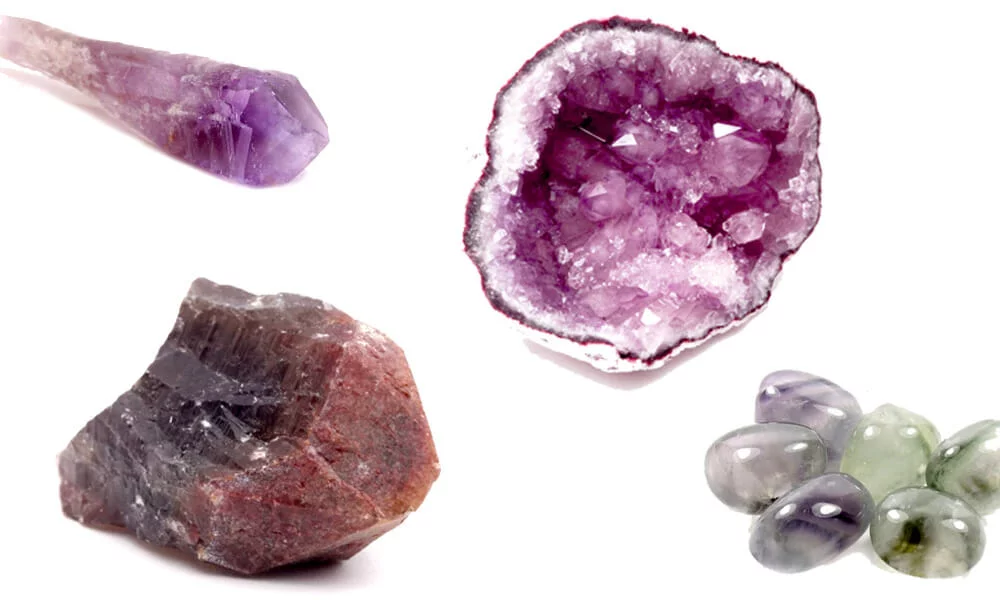
Amethyst, with its mesmerizing violet hues, has long held a special place in the realm of gemstones. Its stunning color and historical significance have made it a sought-after gemstone for jewelry and metaphysical purposes.
There exists different types of amethystthat showcase unique shades, patterns, and characteristics. From deep purples to captivating color combinations, the types of amethyst offer a captivating journey through the world of gemstones.
What Is Amethyst?
Amethyst is a purple-violet quartz type. Each crystal's iron and gamma rays generate this peculiar colour.
For its unusual hue and moldability, it is one of the most popular and precious quartz gemstones. The attractive, cheap material commonly comprises jewelry and other ornamental items, from gigantic, raw geodes to eye-catching statement beads.
Amethyst comes from the Greek word meaning sober, amethystos. The Greek deity of wine, Dionysus, gave the stone the power to prevent intoxication. Alcohol addicts often wear amethyst for mental clarity and support.
However, the ancient Egyptians thought amethyst offered bravery and protection, and Cleopatra wore one. Amethyst is the February birthstone and a popular gem. Many cardinal rings and rosaries indicate it as the spiritual center of the body, the crown chakra.
Amethyst History
Throughout its long history, amethyst has been highly prized in practically every civilization, whether it has been fashioned into beads, faceted stones, crystal specimens, polished pebbles, or other types of jewelry.
Before the valuable reserves of Africa and South America were found, amethyst was considered to be on par with ruby and emerald in terms of its value.
Amethyst, a dramatic purple gemstone that is traditionally associated with February as the month's birthstone, is the most popular member of the quartz family of gemstones.
Different Types Of Amethyst
There are six distinct variations of Amethyst, namely Purple Amethyst, Cape Amethyst, Pink Amethyst, Mossy Amethyst, Ametrine, and Prasiolite. The first four categories pertain to the hue or structure of the Amethyst stone, and all fall within the classification of authentic Amethysts.
The latter two entities have a tight association with the Amethyst gemstone, but manifesting as distinct variations. The aforementioned Amethyst crystals are not exhaustive in terms of variety, since there are more kinds such as Auralite, Brandberg Amethyst, and Cactus Quartz.
There are other synonymous terms for a certain kind of Amethyst crystal, such as the alternative nomenclature of Cape Amethyst, which is often referred to as Chevron Amethyst.
Purple Amethyst
The purple amethyst is a well-recognized kind of amethyst, often characterized by its dark purple hue. It is well acknowledged that the gem's value increases proportionally with the intensity of its color. Amethyst, a kind of quartz, is ubiquitously distributed throughout all continents.
The stone's purple coloration is attributed to the presence of iron and manganese residues. The spectrum of shades encompasses a variety of hues, spanning from a light lilac through lavender and mauve, ultimately culminating in a rich and profound violet.
The amethyst being referred to is a superior quality gemstone, renowned for its purity and suitability for usage in exquisite jewelry pieces.
Cape Amethyst
Cape Amethyst is a composite material consisting of Amethyst and white Milky Quartz. Milky quartz exhibits varying degrees of opacity, ranging from faint translucency to noticeable layering.
The term "Banded Amethyst" or "Chevron Amethyst" is often used to refer to Milky Quartz that exhibits layering. The phrases "Chevron Amethyst" and "Dog Tooth" are used to describe the occurrence of white bands arranged in a triangle arrangement.
Pink Amethyst
The first discovery of Pink Amethyst occurred in Argentina, exhibiting a range of hues from delicate lilac to intense pink, and sometimes displaying peachy undertones. The presence of the Hematite mineral inside the Amethyst deposit results in the formation of a pinkish crystal rather than the typical purple hue.
In the majority of stones, hematite often manifests as red streaks. Auralite (23), often referred to as Canadian Amethyst, is another kind of Amethyst discovered in Ontario, Canada, with reddish borders or spots attributed to the presence of Hematite.
Mossy Amethyst
Mossy or Moss Amethyst refers to Amethyst crystals characterized by the presence of delicate vein-like features, often exhibiting a reddish hue in their overall appearance.
The interior threads or branches often include of black tourmaline inclusions, hence giving rise to the alternative name "tourmalinated" Amethyst. Occasionally, tourmaline may be seen in the form of microscopic specks rather than elongated threads.
Ametrine
When subjected to heat, Amethyst quartz undergoes a transformation, resulting in the formation of yellow Citrine quartz. This process may give rise to a visually striking bi-color appearance, whereby a single stone exhibits both purple and yellow colours.
The term "ametrine" is a composite of the terms "amethyst" and "citrine". In some Amethyst deposits, the occurrence of this process may be attributed to geological heating. Alternatively, Purple Amethyst can also be subjected to human heating in a laboratory setting to get a similar outcome.
The presence of a clear demarcation between the two hues may suggest that human heating has been applied, whilst a gradual transition in coloration might be indicative of the spontaneous formation of Ametrine.
Prasiolite
The gemstone sometimes referred to as Green Amethyst is more accurately known as Prasiolite, which is a quartz variation with a very subtle green hue. This particular gemstone often manifests in close proximity to stable deposits of Purple Amethyst in its native state.
The chemical processes induced by high temperature lava flows or intrusions are responsible for the transformation of purple quartz into green quartz. The heating process may be replicated in a laboratory setting with the application of heat or irradiation to Purple Amethyst.
The crystals often seen in Green Amethyst jewelry are most likely to be prasiolite, since the occurrence of naturally formed prasiolite is very rare.
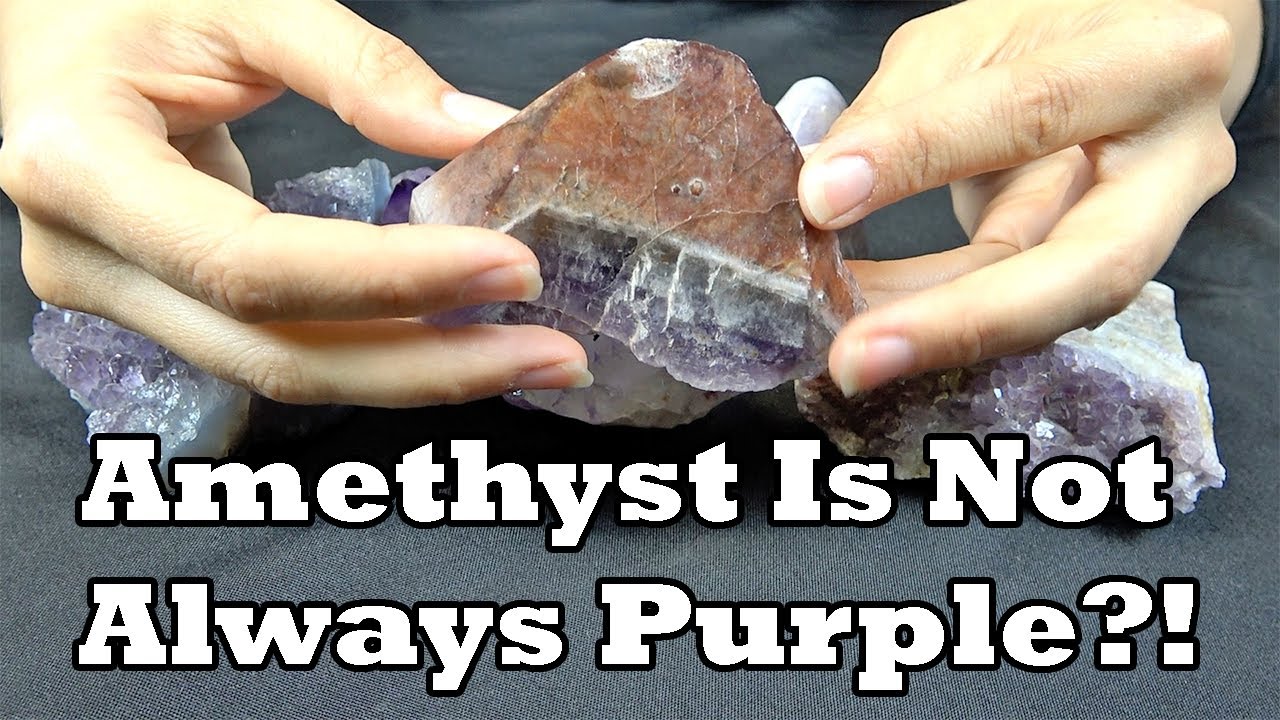
Different Types of Amethyst and How To Tell Them Apart!
Choosing The Right Amethyst Gemstone
Amethyst, a captivating purple quartz, has been cherished for its beauty and spiritual significance for centuries. With its varying shades and unique characteristics, choosing the right amethyst gemstone can be an exciting yet sometimes overwhelming task.
Whether you're looking for a piece of jewelry or a decorative item, understanding the different factors that contribute to the quality and appeal of amethyst will help you make an informed choice.
- Color Variations- Amethyst comes in a spectrum of purple hues, from pale lavender to deep violet. The most sought-after color is often referred to as "Deep Siberian Amethyst," characterized by its rich and intense purple shade. However, personal preferences play a significant role, so choose a color that resonates with you.
- Clarity- Amethyst, like all gemstones, can have natural inclusions or imperfections. While flawless amethyst is rare, some gemstones have fewer visible flaws than others. The clarity of the stone affects its overall appearance and value. Generally, an amethyst with fewer inclusions is considered more desirable.
- Cut- The cut of an amethyst determines its shape and how it interacts with light. A well-cut amethyst will have good proportions, symmetry, and facets that enhance its brilliance. Common cuts include oval, round, emerald, and cushion. Choose a cut that complements your intended use for the gemstone.
- Carat Weight- Amethyst is available in various sizes, and larger stones tend to be more valuable. Keep in mind that the carat weight affects the gemstone's size and appearance. Consider how you plan to use the amethyst when deciding on the carat weight.
- Transparency- Amethyst can vary in transparency, with some stones being more translucent than others. The level of transparency can influence the way light interacts with the gemstone, affecting its sparkle and overall look.
- Origin- Amethyst is sourced from different regions worldwide, including Brazil, Uruguay, Zambia, and Russia. Some enthusiasts prefer amethyst from specific origins due to their unique characteristics. For example, Siberian amethyst is renowned for its deep color, while Vera Cruz amethyst from Mexico is prized for its clarity.
- Budget- Like any precious gemstone, amethyst comes in a range of prices. Setting a budget beforehand will help you narrow down your options and find an amethyst that suits both your preferences and financial considerations.
- Intended Use- Consider how you plan to use the amethyst gemstone. If you're looking for a piece of jewelry, factors like size, color, and durability will be essential. On the other hand, if you're purchasing an amethyst for spiritual or metaphysical purposes, you may prioritize specific colors or characteristics.
- Certification- Reputable jewelers often provide certification for their gemstones, which verifies their authenticity and characteristics. Opting for certified amethyst can give you peace of mind regarding the gemstone's quality.
- Trustworthy Source- Purchase your amethyst from a trusted and reputable source. Whether you're buying from a jewelry store, a gem show, or an online platform, research the seller's reputation and reviews before making a decision.
Caring For Your Amethyst Gemstones
Amethyst gemstones are not only prized for their stunning beauty but also for their spiritual significance and healing properties. To ensure that your amethyst gemstones retain their brilliance and value over time, proper care and maintenance are essential. Here are some tips to help you keep your amethyst gemstones looking their best:
- Cleaning- Regular cleaning is crucial to maintain the luster of your amethyst gemstones. Gently clean them using warm, soapy water and a soft brush. Avoid harsh chemicals and ultrasonic cleaners, as they can damage the gemstone. After cleaning, rinse the gemstone thoroughly and dry it with a soft, lint-free cloth.
- Storage- Store your amethyst jewelry separately from other jewelry to prevent scratching. Use a soft pouch or jewelry box with compartments to keep each piece safe and protected. Avoid exposing your amethyst to direct sunlight for extended periods, as this can cause fading.
- Avoid Extreme Temperatures- Amethyst gemstones can be sensitive to temperature changes. Avoid exposing them to extreme heat or rapid temperature fluctuations, as these conditions can cause the gemstone to crack or break.
- Protection- While amethyst is relatively durable, it's still important to protect it from potential damage. Remove your amethyst jewelry before engaging in activities that could expose it to impact, chemicals, or excessive force.
- Avoid Chemicals- Amethyst gemstones can be affected by chemicals found in household cleaners, perfumes, hairsprays, and cosmetics. To prevent damage, it's best to remove your amethyst jewelry before applying such products.
- Gentle Handling- When handling your amethyst gemstones, be gentle and avoid dropping them onto hard surfaces. Even though amethyst is considered relatively durable, a hard impact can still cause damage.
- Regular Inspections- Periodically inspect your amethyst jewelry for any loose or damaged settings. If you notice any issues, have the piece repaired by a professional jeweler to prevent further damage.
- Refrain from Exposure to Water- While cleaning your amethyst with water is generally safe, it's important to avoid prolonged exposure to water. This is especially true for amethyst beads and other porous forms of the gemstone, as water can penetrate and affect their appearance.
- Recharging and Cleansing- Amethyst is believed to have spiritual and metaphysical properties. Some people like to cleanse and recharge their amethyst gemstones under the light of the full moon or by placing them on a bed of rock crystals. This practice is thought to enhance the gemstone's energy and healing properties.
- Professional Cleaning- If your amethyst jewelry needs a deeper cleaning or has accumulated dirt and grime that's difficult to remove at home, consider taking it to a professional jeweler for cleaning and maintenance.
People Also Ask
What Are The Different Colors Of Amethyst?
Amethyst typically ranges from pale lavender to deep purple, with variations like green amethyst (prasiolite) and bicolor amethyst.
What Is Deep Siberian Amethyst Known For?
Deep Siberian Amethyst is prized for its intense, rich purple color and is considered one of the most valuable varieties of amethyst.
What Sets Chevron Amethyst Apart From Other Types?
Chevron Amethyst is characterized by its unique banded pattern of white quartz and purple amethyst, resembling the chevron shape, making it a visually striking variety.
What Metaphysical Properties Are Associated With Vera Cruz Amethyst?
Vera Cruz Amethyst is believed to possess high spiritual energy and is known for enhancing intuition, spiritual growth, and promoting a deep sense of peace and tranquility.
Final Thoughts
In the realm of gemstones, few possess the allure and diversity of amethyst. From the regal depths of Deep Siberian Amethyst to the ethereal beauty of Chevron Amethyst, each variety carries a unique story within its captivating colors and patterns.
These types of amethyst not only add exquisite elegance to jewelry but also offer a deeper connection to the realm of metaphysical and healing properties.
As you delve into the world of amethyst varieties, you're embarking on a journey through time, culture, and nature's artistic palette – a journey that reveals the breathtaking beauty that lies within the heart of each gemstone.

K. N.
Author
Latest Articles
Popular Articles