The Role Of Law In Economic Development | A Complete Guide
Complete guide to the role of law in economic development: property rights, contracts, SEZs, courts and reforms that drive sustainable growth.
Author:K. N.Apr 22, 20261.2K Shares159.5K Views

Why Strong Laws Are The Hidden Engine Of Economic Growth
If you ask why some countries grow faster than others, people usually mention resources, technology or education. Fewer mention something less visible but just as powerful: the legal system.
Yet every major economic decision - investing, lending, hiring, trading, building a factory, launching a startup - rests on expectations created by law. In developing economies, where opportunities are huge but risks feel high, those expectations can be shaky. That’s why governments pass investment laws, build special economic zones, reform courts and modernize regulations: they’re trying to make the role of law in economic developmenta competitive advantage, not a bottleneck.
What Do We Actually Mean By “the Role Of Law In Economic Development”?
To stay focused, let’s define both sides of the phrase.
- Economic developmentis more than Gross domestic product (GDP). It includes jobs, productivity, innovation, reduced poverty and better living standards.
- Lawhere means not just statutes in books, but also courts, judges, regulators, lawyers and everyday enforcement.
So the core question is: How do legal rules and institutions help, or hinder, a country’s ability to create jobs, attract investment, support entrepreneurship and share prosperity?
Think of law as part of your country’s economic infrastructure. You don’t see it like a road or a port, but if it’s weak, everything else has to work harder. If it’s strong, everything else works more smoothly.
The Importance Of Law In Economics And Development
Economists often talk about capital, labor, technology and productivity. But in practice, all of these depend on the legal framework.
- Capital moves where it feels protected.
- Labor is more productive when there is basic legal security and fairness.
- Technology spreads faster when intellectual property and contracts are reasonable and enforceable.
That’s why institutions and researchers keep stressing the “investment climate”, “rule of law” and “governance”. They’re all pointing to the same idea: the relationship between law and economics is central to long-term development.
In short, the importance of law in economicsis not abstract. It’s about whether people dare to invest, take risks and cooperate with others - or keep their savings under a mattress and rely only on family and friends.
Related Reading: The Impact Of Technology On Law And Legal Practices
How Law Helps Economies Grow: Five (plus One) Core Channels
Across countries and legal traditions, the role of law in economic development shows up through a few main channels.
1. Giving Property And Assets A Clear Legal Status
One of the clearest links between law and economic development lies in property rights. Effective laws answer basic questions:
- Who owns what?
- Who has the right to use, sell, lease or mortgage an asset?
- What happens if those rights are violated?
When property rights are clear and reasonably secure:
- People are more willing to invest in land, buildings and equipment.
- They can use assets as collateral for loans, which is vital for business expansion.
- It’s easier to buy, sell or leaseproperty, so assets move to more productive users.
When property rights are fuzzy, overlapping or easily overturned, investment becomes short-term and defensive. That’s why reforms around land law, titling and registration are so central to the link between property rights and economic development.
2. Enforcing Contracts And Building Trust
Business runs on promises: “You deliver this,” “I’ll pay that.” Contracts turn those promises into legal commitments. But they only matter if both sides believe the law will back them up. Good contract enforcement means:
- Clear ruleson validity, breach and remedies
- Practical proceduresin courts, arbitration centers or mediation platforms
- Predictable outcomes, so businesses can plan
When enforcement works, companies are more willing to:
- Enter long-term relationshipswith suppliers and customers
- Specialize and rely on others’ performance
- Trade on credit and expand to new partners
When enforcement is slow, biased or corrupt, people either avoid formal agreements or add big risk margins, which directly slows growth.
3. Making It Easier To Do Business Within The Law
Another big part of the role of law in economic development is shaping the day-to-day business environment:
- How hard is it to register a company?
- How complicated are licenses and permits?
- How clear and fair are tax rules?
- How predictable are inspectionsand penalties?
In a healthy system:
- Procedures are clear, time-bound and affordable.
- Rules are not constantly changing without warning.
- Small businesses can comply without needing political connections.
When rules are confusing or constantly shifting, or when too much depends on unofficial payments, many firms stay informal. That limits tax revenue, access to finance and growth.
Tax law also has a double role in economic development. A fair, efficient tax system raises the revenue needed for infrastructure, education and health, while also shaping incentives for investment. Simple, transparent rules help businesses plan and reduce the need for aggressive tax planning. At the same time, governments need to be careful that tax incentives designed to attract investment don’t turn into a “race to the bottom” that erodes their own revenue base without delivering real development gains.
4. Regulating Markets Without Suffocating Them
Markets need rules to prevent abuse, protect consumers and manage risks. But too many or badly designed rules can suffocate entrepreneurship. Key areas where law and development intersect here:
- Competition law: preventing cartels and abusive monopolies
- Financial regulation: avoiding crises, protecting depositors, enabling responsible lending
- Consumer protection: ensuring basic fairness and safety
- Environmental rules: balancing growth and sustainability
Labor law and worker protections also fit into this picture. Well-designed labor laws can support development by improving productivity and social stability. When workers have basic protections - fair wages, safe conditions, access to health care and pensions - they are generally healthier, more loyal and more productive. Of course, labor rules that are rigid, unclear or constantly changing can create uncertainty for employers, especially smaller firms. The goal is a balanced frameworkthat protects people while still allowing businesses to adapt and grow.
The aim overall is not to pick winners, but to create fair and stable conditionsso that efficient, innovative firms can thrive.
5. Limiting Corruption And Arbitrary Power
Law also influences development by shaping how governments and officials use their power. Important elements include:
- Courts that can reviewgovernment actions
- Rules against conflicts of interestand bribery
- Transparent public procurement
- Independent agencies in key sectors (like energy or telecoms)
Effective anti-corruption laws and institutionsare a key part of this story. When bribery, embezzlement and fraud go unpunished, public money and private investment are quietly diverted away from productive uses. Over time, this erodes trust, scares off investors and discourages honest entrepreneurs.
Strong corruption offences, independent prosecutors, specialized anti-corruption agencies and transparency rules for public officials all help reinforce the basic message that rules matter. International cooperation frameworks and standards support countries that are trying to clean up their systems and send a credible signal to investors.
When the law applies only to the weak, and the powerful can act with impunity, investment dries up or moves offshore. When law applies reasonably equally, trust - and growth - follow.
6. Access To Justice So Everyone Can Use The Law
There’s another, often overlooked part of the role of law in economic development: access to justice. It’s not enough to have good laws on paper if only large companies or wealthy individuals can afford to use them. Access to justice means that:
- People and small businesses can get basic legal adviceat a reasonable cost.
- Disputes can be resolved without years of delay.
- Courts and legal services are physically and linguistically accessible, not just in big cities.
When ordinary citizens and small firms can actually use the legal system to protect their property, enforce contracts and challenge abuses, the benefits of economic development are more widely shared. When they cannot, many stay informal, avoid growth, or rely on personal power networks instead of the law.
Law In Action: Examples From Developing Economies And Special Zones
To see the role of law in economic development more clearly, it helps to look at patterns seen in many developing countries.
When Budgets Are Tight, Law Becomes A Key Development Tool
Many developing economies have ambitious development plans but limited public budgets. To bridge the gap, they try to:
- Attract domestic and foreign investors
- Offer tax incentives and easier procedures
- Modernize investment lawsand commercial codes
Law, in other words, becomes a policy tool to turn the country into a more attractive place to do business. But experience shows that simply passing pro-investment laws is not enough. They only work when:
- Different levels of government don’t contradict each other
- Permits, licenses and tax treatment are actually delivered as promised
- Disputes can be resolved without endless delay or “informal” payments
Without that, investors quickly learn to discount legal promises.
Special Economic Zones: Concentrated Experiments In Law And Development
Special Economic Zones (SEZs)are a clear illustration of the relationship between law and economics in developing countries. Typically, SEZ laws create:
- A geographically bounded areawith a special legal regime
- Simplified customsand tradeprocedures
- Tax breaksand other fiscal incentives
- Faster licensing, land-use and labor processes
On paper, these zones offer an ideal environment for investment. In practice, SEZs succeed only when three things line up:
- Legal certainty:investors know the rules and trust they won’t change overnight.
- Physical infrastructure:transport, energy, waste handling, telecoms.
- Administrative capacity:zone authorities who can actually apply the special rules.
Where infrastructure is delayed, utilities are expensive or local taxes unexpectedly rise after land status changes, zones struggle. The law says “ready to operate”, but reality says “not yet”.
That gap tells a simple story: the role of law in economic development depends not just on drafting good statutes, but on aligning law, policy and delivery.
International Trade And Investment Law In Economic Development
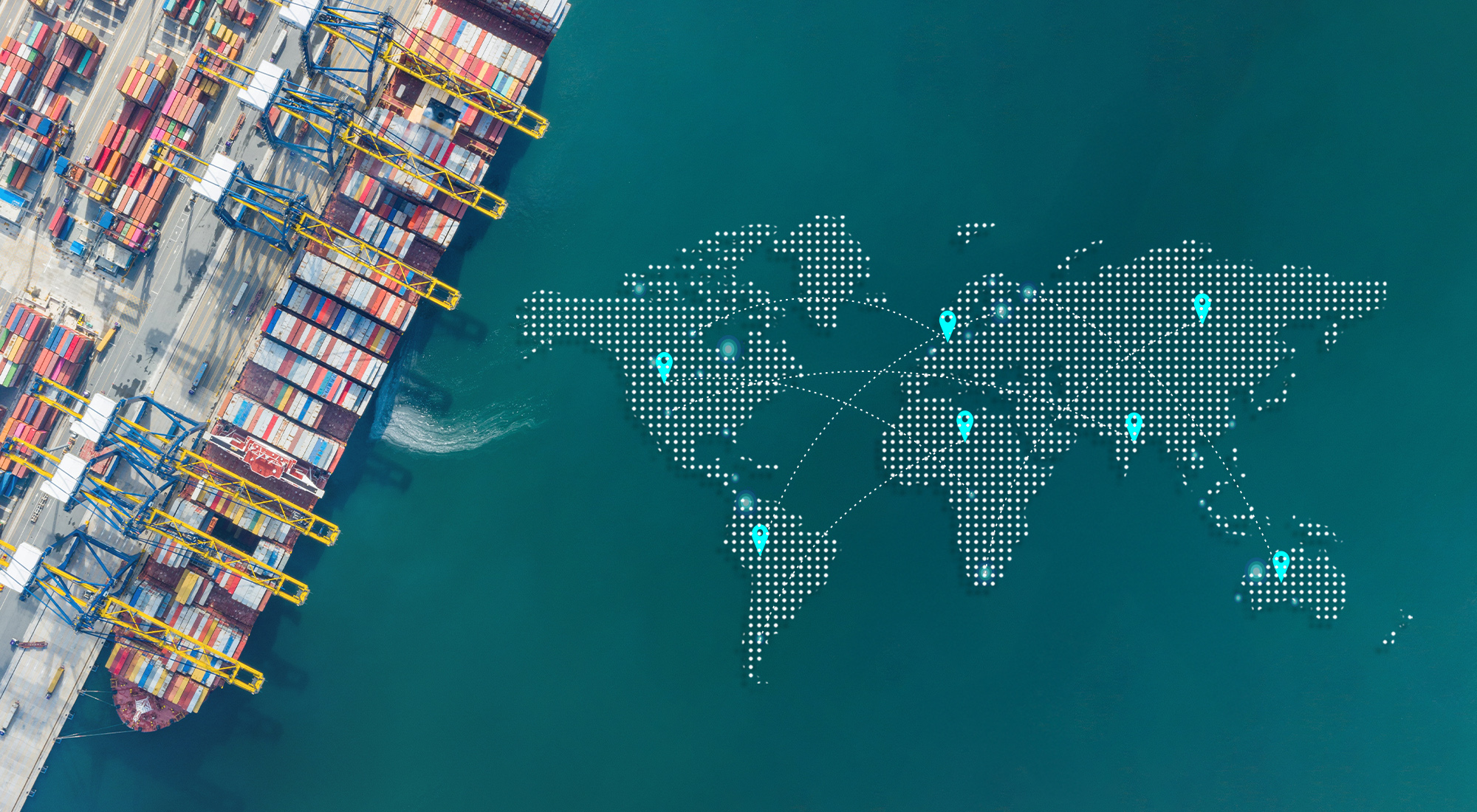
The role of law in economic development doesn’t stop at national borders. International trade and investment lawalso shapes opportunities. Trade agreements and organizations help:
- Reduce tariffs and quotas
- Standardize some rules and procedures
- Give exporters more predictable access to foreign markets
This can support industrialization, especially for countries that rely on exports of goods or services. International investment law - through bilateral investment treaties and investment chapters in trade agreements - typically aims to:
- Protect foreign investors against expropriationwithout compensation
- Guard against discriminatory treatment
- Provide dispute-settlement mechanismsif conflicts arise
These protections can encourage foreign direct investment and technology transfer, which can support development. At the same time, they are controversial when they are seen as giving investors too much power or limiting the ability of governments to change policies in the public interest.
The development challenge is to use international rules to attract trade and investment without sacrificingthe space needed to regulate for health, environment, labor and other social goals. Done well, the international and domestic legal frameworks reinforce each other. Done badly, they create tensions and uncertainty.
The Human Side: Lawyers, Judges And Cooperation With Business
Laws are only as effective as the people who interpret and apply them. This is where economics and law meet in everyday practice.
Why Lawyers Matter For Growth
In rapidly changing, opportunity-rich environments - especially in developing economies - businesses face:
- New technologies and business models
- Shifting and sometimes unclear regulations
- Pressure to grow quickly while controlling risk
Good lawyers and in-house legal teams help by:
- Turning complex rules into practical, business-friendly advice
- Designing contracts and structures that manage risk within the law
- Resolving disputes in ways that preserve relationships and keep deals on track
- Protecting intellectual property, encouraging innovation and branding
- Helping clients navigate competition law, so growth doesn’t create illegal market dominance
In this sense, lawyers are not just “costs”; they are part of the institutional architecturethat lets businesses operate confidently and sustainably.
Also Check Out: lawyer career paths
How The Judiciary Shapes A Growing Economy
The judiciary has its own distinct role in economic development:
- It interprets new laws, such as investment rules, digital regulations or environmental standards.
- It decides how old laws apply to new realities.
- It signals whether legal commitments will be respectedin practice.
Even with modern laws on the books, an economy will struggle if:
- Courts are slow, causing years of uncertainty.
- Decisions are inconsistent, leaving businesses guessing.
- Judges lack training in commercial matters or are open to pressure.
By contrast, a judiciary that is reasonably independent, competent and predictable can turn an average set of laws into a reliable foundation for growth.
How Countries Can Strengthen The Role Of Law In Economic Development
Based on experience across many economies, here is a practical roadmap that stays anchored on the main keyword.
Get The Basics Of Legal Certainty Right
- Protect people and property against violence and arbitrary seizure.
- Clarify land and property rights, especially where customary and formal systems overlap.
- Ensure that changes in property status (e.g. entering an SEZ) don’t create unexpected tax or regulatory shocks.
Make It Easier To Do Business Within The Law
- Simplify company registration, licensing and taxprocedures.
- Publish clear guidanceon steps, fees and timelines for common processes.
- Use digital platformsto reduce red tape and face-to-face interactions that can invite corruption.
Improve Everyday Dispute Resolution
- Establish small-claims courtsand fast-track procedures for routine commercial disputes.
- Promote mediation and arbitrationfor business cases, especially where courts are overloaded.
- Train judges and mediators in commercial and financial topics so outcomes are more practical and predictable.
Align Law, Policy And Implementation In Key Sectors
The role of law in economic development is particularly visible in strategic areas and special regimes:
- Energy, transport, telecoms, finance and logistics
- Industrial corridors and Special Economic Zones
Here, governments should:
- Make sure national and local rules work together, not against each other.
- Involve business and legal professionals early when designing reforms.
- Monitor whether promised incentives and facilities actually materialize.
Invest In Legal Capacity And Integrity
- Provide ongoing training for judges, regulators and lawyers.
- Strengthen professional ethics through bar associations and codes of conduct.
- Make court decisions and regulatory actions more transparent, building trust over time.
These steps together turn law from a static set of texts into a living system that supports economic development day by day.
What Businesses Can Do In Imperfect Legal Environments
Businesses and investors can’t control national legal systems, but they can still act strategically and responsibly.
- Know the ground: understand property rights, contract enforcement, tax and sectoral rules before committing.
- Work with competent local counselwho know both the law and how it’s applied.
- Use layered protections: clear contracts, staged payments, collateral, dispute-resolution clauses.
- Engage with industry associations and policymakersto share realistic feedback about how laws affect investment and jobs.
- Build internal cultures that treat compliance as part of long-term success, not just a hurdle.
Handled this way, the relationship between law and economics becomes a partnership, not a tug-of-war.
FAQs About The Role Of Law In Economic Development
What Is The Role Of Law In Economics?
Law sets the basic rules of the game for economic activity. It defines property rights, regulates markets, shapes contracts and dispute resolution, and limits arbitrary power so people can trade and invest with confidence.
What Is The Main Role Of Law In Economic Development?
Law’s main role is to create a stable, fair environment where people and firms can plan, invest and innovate. It does this by protecting rights, enforcing agreements and offering reliable ways to resolve disputes.
How Does The Relationship Between Law And Economics Work In Practice?
Economic change (new technologies, trade patterns, crises) pushes legal reform. Legal changes (tax, competition, investment, labor rules) then reshape incentives, business models and market behavior.
Why Are Property Rights So Important For Development?
Clear property rights let people treat assets as capital they can invest in, borrow against, lease or sell. When ownership is uncertain, long-term investment and formal lending both suffer.
What Is The Role Of Intellectual Property Law In Economic Development?
Intellectual property law protects inventions, creative works and brands for a limited period. This protection encourages firms and individuals to invest in research, innovation and marketing.
How Does Competition Law Promote Economic Growth?
Competition law keeps markets open and fair by tackling cartels and abuse of dominance. That pressure to compete drives innovation, better quality and lower prices, supporting growth.
Can Countries Grow Fast Without Strong Legal Systems?
Some do grow quickly for a while with patchy legal systems, often by favoring specific sectors. But over time, weak law tends to bring corruption, instability and lost investment.
What Role Do Lawyers And Judges Play In Development?
Lawyers help businesses navigate rules, manage risk and resolve disputes without killing deals. Judges interpret laws, enforce contracts and signal how seriously legal commitments will be taken.
Conclusion
The role of law in economic development is everywhere once you know where to look. It’s in every land title, every loan agreement, every workplace safety rule, every court judgment and every license a business applies for.
Strong, predictable, fair legal systems don’t guarantee prosperity on their own. But without them, it is very hard to sustain investment, trust and innovation. For governments, that means treating legal reform as core economic policy, not an afterthought. For businesses, it means recognizing that engaging constructively with the legal system is part of long-term success.
If you remember one idea, let it be this: good law turns uncertainty into manageable risk, and that is one of the most powerful foundations any economy can have.
Jump to
Why Strong Laws Are The Hidden Engine Of Economic Growth
What Do We Actually Mean By “the Role Of Law In Economic Development”?
The Importance Of Law In Economics And Development
How Law Helps Economies Grow: Five (plus One) Core Channels
Law In Action: Examples From Developing Economies And Special Zones
International Trade And Investment Law In Economic Development
The Human Side: Lawyers, Judges And Cooperation With Business
How Countries Can Strengthen The Role Of Law In Economic Development
What Businesses Can Do In Imperfect Legal Environments
FAQs About The Role Of Law In Economic Development
Conclusion

K. N.
Author
Latest Articles
Popular Articles