Romeo And Juliet Law Explained | Age Gaps, Risks And Relief
Confused about the Romeo and Juliet law? Get a reliable, state-specific guide to age gaps, consent rules, registry relief, and federal risks.
Author:K. N.Nov 19, 202531.6K Shares480.2K Views

Close-in-Age Law: Where Romance Meets Crime
The term “Romeo and Juliet law” is an emotionally charged phrase that describes a critical, yet often misunderstood, legal principle. It refers to the close-in-age exceptions built into statutory rape laws.
These provisions are not designed to legalize sex with minors but to provide a legal distinction between predatory sexual abuse and consensual, peer-to-peer relationships where one participant is slightly below the legal age of consent.
There’s no single federal rule. Each state sets its own age gaps, minimum ages, and outcomes. For anyone seeking to understand this delicate area of criminal law-whether for personal knowledge or due to a real-world circumstance-obtaining precise, state-specific information is paramount.
This comprehensive guide will dissect the close-in-age exception, focusing on its crucial factors, jurisdictional variations, and common misunderstandings to deliver a truly authoritative resource.
Key Takeaways
These laws don’t legalize the conduct or guarantee dismissal. In places like Florida or Georgia, they often reduce the charge (sometimes to a misdemeanor) or allow a petition to avoid/remove sex-offender registration, if strict criteria are met. Always check the exact state statute.
- a minimum age for the younger person (often 13-14),
- a small age gap (often 2-4 years), and
- no teacher/coach/guardian power over the younger person.
“Romeo and Juliet” laws are state rules that soften statutory-rape penalties when teens or near-age partners engage in consensual, non-exploitative sex. They usually hinge on three things:
How The Close-in-Age Rule Works
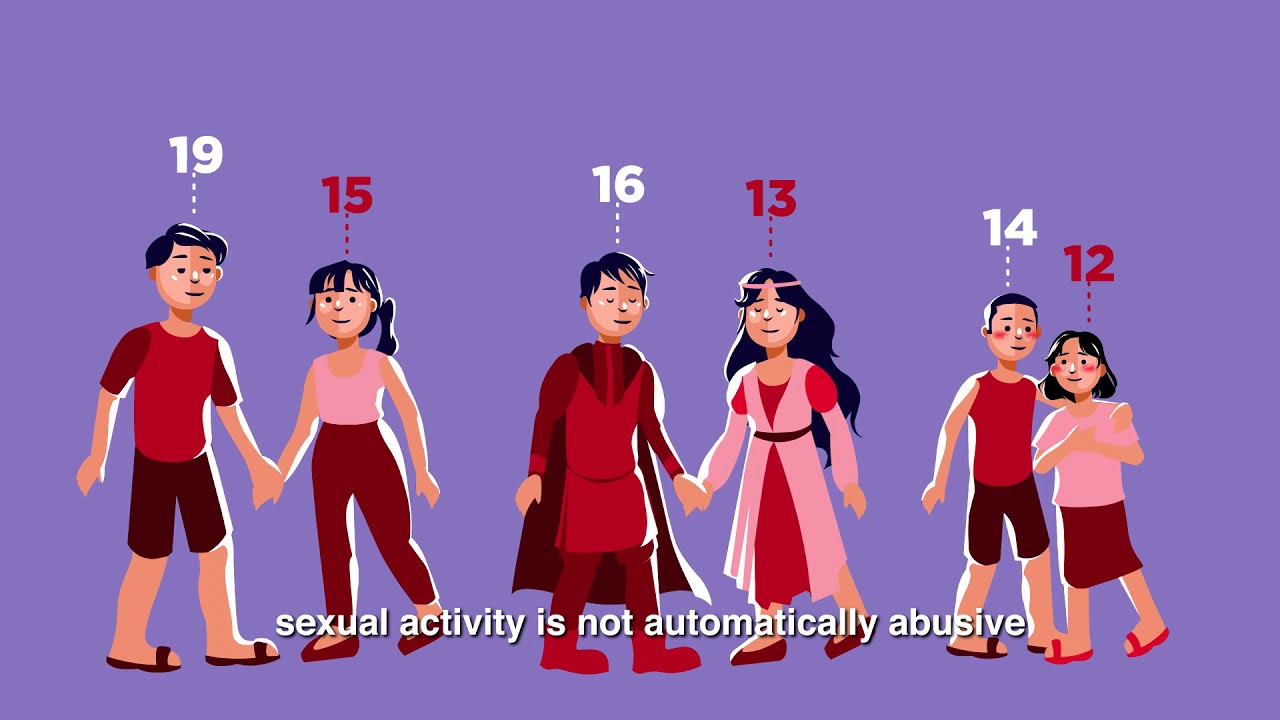
Statutory rape is non-forced sexual activity with someone under the legal age of consent. It is a strict liability crime, meaning that the defendant's intent or belief about the victim's age is irrelevant. If the law is violated, a crime has occurred. The close-in-age exception attempts to temper this harshness with judicial reality.
Why This Law Exists?
The heart of the debate-and the reason this law exists-is the paradox created by the age of consent, which is 16 or 18 in most U.S. states. The law recognizes that a high school senior turning 18 who continues a consensual relationship with their 17-year-old classmate should not be treated the same as a predatory adult.
The close-in-age provisions seek to achieve justice by:
- Acknowledging Reality:The law recognizes the existence of consensual romantic and sexual exploration among teenagers.
- Preventing Disproportionate Punishment:A statutory rape conviction carries lifelong consequences (felony record, sex offender registration) that are often disproportionate to the harm in a genuinely peer-to-peer relationship.
- Focusing on True Exploitation:By providing an exception for close-in-age scenarios, the legal system can better focus its most severe penalties on predatory behavior and significant power imbalances.
The Non-Negotiable Limits: When The Exception Never Applies
The close-in-age defense is conditional and instantly voids if certain factors are present, underscoring its focus on peer relationships. This is a crucial distinction that most people misunderstand when searching for the Romeo and Juliet law.
- Coercion or Force:The exception applies only if the sexual activity was entirely consensual. Any evidence of assault, threat, or manipulation nullifies the defense and results in a charge of forcible sexual assault or rape.
- Age Below the Minimum Threshold:Every state specifies a minimum age for the younger party (often 14 or 15). If the minor is below this threshold, the exception is inapplicable, regardless of how small the age gap is. For example, in Tennessee, the minor must be at least 13 to be able to legally give consent that might help a defense.
- Position of Authority:If the older individual is in a position of trust, authority, or dependency over the minor-such as a teacher, coach, counselor, or guardian-the law is specifically designed to protect against this power imbalance, and the close-in-age exception will not serve as a defense.
Also Check Out: How To Choose An Attorney: A Complete Guide
Navigating The Legal Mosaic: Close-in-Age Provisions Across The U.S.
Because there is no uniform federal standard, navigating this topic requires a hyper-local understanding. The application of the Romeo and Juliet law hinges entirely on the specific, often narrow, criteria of each jurisdiction.
Romeo And Juliet Law Georgia: Misdemeanor Mitigation
Georgia’s law aims to prevent serious criminal charges against young individuals in consensual, close-in-age relationships.
- Age of Minor:The victim must be between 14 and 15 years old.
- Age Gap:The offender must be 18 years old or younger and no more than four years older than the victim.
- Effect:If these criteria are met, the statutory rape charge is reduced from a felony (punishable by decades in prison) to a misdemeanor, which does not require sex offender registration.
The Romeo And Juliet Law Florida: Registry Relief
The Romeo and Juliet law Florida is unique because it focuses on a post-conviction remedy rather than preventing the initial charge.
- Age of Minor:The victim must be between 16 and 17 years old.
- Age/Age Gap:The offender must be no older than 23 at the time of the consensual encounter and no more than four years older than the victim.
- Effect:It allows a person already convicted to petition the court to be removed from the mandatory sex offender registry, offering a path to reintegration.
Texas’s Affirmative Defense
The Romeo and Juliet law Texas provides an affirmative defense that must be raised in court.
- Minor's Age:The younger party must be at least 14 years old.
- Age Gap:The age difference can be no more than three years.
- Effect:The defendant must still be arrested and charged, but they can raise these facts as a legal defense to avoid conviction or a severe sentence.
The Stricter Michigan Close-in-Age Law
The Romeo and Juliet law Michigan is more restrictive than in most states, providing a highly limited exception.
- Minor's Age:The younger person must be at least 13 but under 16.
- Age Gap:The older person must be less than five years older (i.e., four years or less).
- Crucial Limitation:This defense only applies to non-penetrative sexual contact. If sexual intercourse (penetration) occurs, the exception is voided, and the older individual can still face serious felony charges regardless of the age gap.
Other States' Provisions: Ohio, Virginia, And Connecticut (CT)
- Romeo and Juliet Law Ohio:Functions as a mitigating factor. If the age gap is less than four years and the minor is 13-15, the charge is reduced from a felony to a First-Degree Misdemeanor.
- Romeo and Juliet Law Virginia:Has one of the tightest age gaps. The younger party must be 15-17, and the older person must be less than three years older.
- Romeo and Juliet Law CT (Connecticut):These laws are structured based on the age gap and the type of assault. Generally, consensual sexual activity between a minor aged 13 to 15 and someone who is less than four years older is not criminalized under the state's sexual assault statutes. However, an age gap of more than four years with a 13-to-15 year old can result in a Class B felony.
Related Reading: Connecticut Criminal Law Attorneys | 12 Top Experts To Know
California's Discretionary Approach
California does not have a traditional Romeo and Juliet law providing an outright defense. Instead, it grants judges discretion to decide whether an adult convicted of statutory rape must register as a sex offender, particularly if the minor was at least 14 and the age difference was less than three years. Prosecution is often downgraded by district attorneys based on these close-in-age factors.
Global Perspectives: Canada And The UK
Inquiries about the Romeo and Juliet law in Canada and the UK show that similar legal concepts exist across borders, though their statutory execution differs.
Canada's "Tener's Clause" Exemption
Canada's "close-in-age" exemption, often called the "Tener's Clause," provides explicit statutory defenses:
- Ages 14 and 15: They can consent to sexual activity with a partner who is less than five years older.
- Ages 12 and 13:They can consent to sexual activity with a partner who is less than two years older.
The UK's Strict Approach
The United Kingdom does not have a Romeo and Juliet law per se. The age of consent is 16, and sexual activity with individuals under this age is a criminal offense, regardless of the age gap. The relative ages of the parties may inform charging and sentencing decisions, but there is no statutory close-in-age defense.
Frequently Asked Questions (FAQs)
What Is The Age Limit For The Romeo And Juliet Law?
The age limit for the younger party is a minimum of 13 or 14 and a maximum of 17 (just under the 18-year age of majority). The older party's age is restricted by the age gap, which is generally two to four years. This difference is calculated to the day; even one day over the limit can result in a felony charge.
Is The Romeo And Juliet Law In Florida 17 And 20?
Yes, that scenario is relevant to the Florida law. A 20-year-old with a 17-year-old fits the < 5-year age gap required for the older person to later petition for removal from the sex offender registry, provided the relationship was consensual and met other legal criteria.
Does The Law Prevent Someone From Having To Register As A Sex Offender?
In many states, this is the most critical function. A successful close-in-age defense or reduced charge (like the misdemeanor in Georgia) can prevent mandatory lifetime sex offender registration. In states like Florida and California, the provision often provides a direct pathway for relief or removal from the registry for qualifying convictions.
Can Consent Be Used As A Defense To Statutory Rape?
No. Statutory rape is a strict liability crime. The law presumes that anyone under the age of consent (typically 16) is legally incapable of giving consent. Therefore, a defense attorney cannot argue that the minor consented. The "Romeo and Juliet" law is not an argument of consent, but rather a statutory exception to the age requirement itself, based on the non-exploitative nature of a close-in-age relationship.
Final Thoughts
The term “Romeo and Juliet law” sounds romantic, but it covers a strict, technical defense. It can protect some close-in-age, consensual teen relationships from harsh felony charges-but it is not a free pass.
If one partner is under the age of consent, be very careful. These laws have hard limits: a minimum age for the younger teen, a small allowed age gap, and noposition of authority (like teacher or coach). Small details-sometimes even a few days-can change a case from protected to a serious felony.
If you are concerned about this law's application, seeking experienced legal counsel is the only safe and responsible next step.

K. N.
Author
Latest Articles
Popular Articles