How A Bill Becomes A Law Flip Book | Ready-to-Teach Guide
Build a powerful how a bill becomes a law flip book. Get steps, examples, and classroom strategies that help students truly understand the process.
Author:K. N.Nov 19, 202558.3K Shares833.3K Views
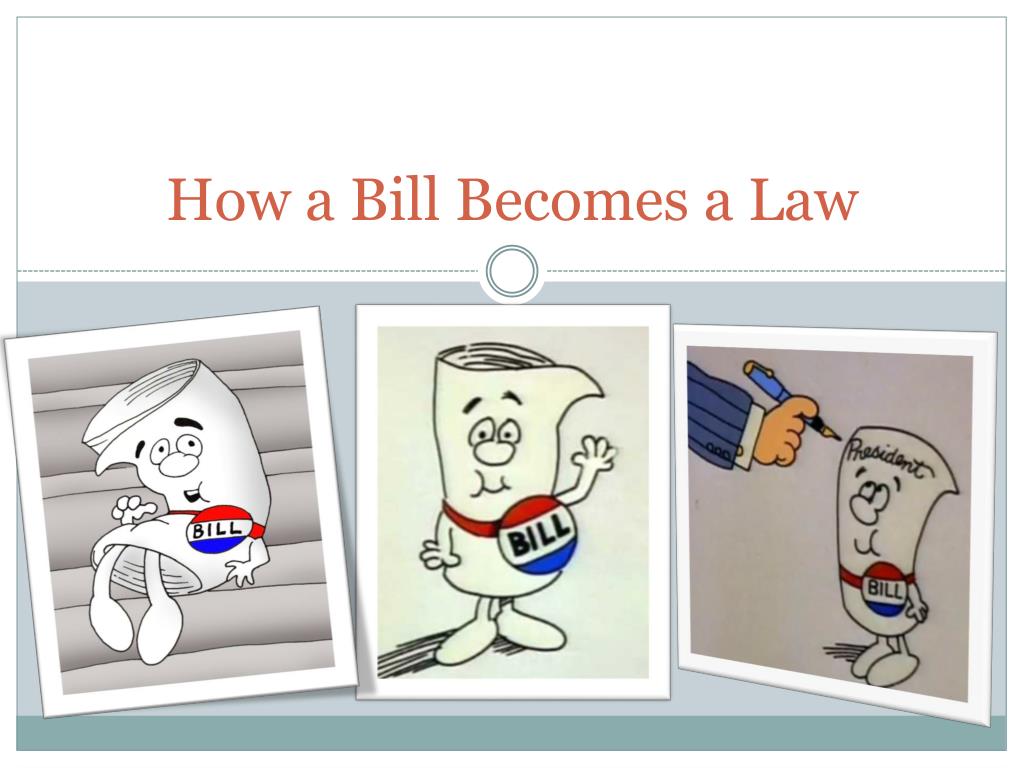
Why A “How A Bill Becomes A Law” Flip Book Makes This Topic Finally Click
If you’re a social studies teacher or homeschool parent, you already know the problem: explain how laws are madeand students’ eyes glaze over somewhere around “committee.”
A how a bill becomes a law flip booksolves that by turning the process into a physical story. Each tab is a chapter: ideas, drafting, committee work, debate, leadership decisions, the President, and-if the bill survives-an actual law. Students can literally flip through the journey instead of trying to hold a wall of text in their heads.
This guide gives you everything you need: a 7-9 step structure, concrete tab wording, a 45-60 minute lesson plan, realistic “stop points” where bills often fail, and a real-world legislative example you can plug straight into the activity.
The Legislative Story In Simple Words
Authoritative legislative and civics guides all tell a similar story:
- Someone has an idea to fix a problem.
- A member of Congress turns that idea into a bill.
- The bill is introduced in either the House of Representativesor the Senate and gets a number.
- It is sent to a committee, and often a subcommittee, for close study.
- The committee may revise the bill, hold hearings, and vote on whether to send it to the full chamber.
- The full chamber debates and votes.
- If it passes, the bill goes to the other chamber, which repeats the committee + floor process.
- If both chambers agree on the same version, the bill goes to the President, who can sign it, veto it, or take no action (with different outcomes depending on whether Congress is in session).
- If vetoed, Congress can sometimes still make it law with a two-thirds override in both chambers.
That nine-step framework is your accuracy backbone. Your flip book simply turns it into student-friendly slices.
Turning The Process Into A “How A Bill Becomes A Law” Flip Book (7-9 Steps)
1 Choosing Your Step Count
You don’t have to use all nine stages with every group.
- Upper elementary (Grades 3-5): 5-6 steps, very simple wording, lots of pictures.
- Middle school (Grades 6-8): Full 7-step model, including committees and compromise.
- High school (Grades 9-12): You can comfortably use the full 9-step breakdown including subcommittees, markup, and veto override.
2 Suggested 7-step Tab Set (classroom Sweet Spot)
- Where LawsBegin (Ideas & Drafting)
- A Bill Is Introduced in Congress
- Committees and Subcommittees Study the Bill
- Debate & Vote in the First Chamber
- The Second Chamber Reviews and Votes
- Compromise and Final Agreement
- President’s Decision, Veto, and Override
This condenses the full process while still reflecting the structure used in detailed legislative explanations.
What To Put Under Each Flip Book Tab
Use the same pattern for each tab:
- 2-3 short sentences in kid-friendly language.
- A small visual (icon or sketch).
- One reflection prompt (question or sentence stem).
Here’s a ready-made example set using the 7-step model.
Tab 1 - Where Laws Begin (Ideas & Drafting)
- Text:“Laws start as ideas to fix problems. Members of Congress listen to citizens, experts, and groups, then turn those ideas into written bills.”
- Icon:Lightbulb + a small “problem” sketch.
- Prompt:“What problem would you write a law about?”
Tab 2 - A Bill Is Introduced In Congress
- Text:“A Senator or Representative becomes the bill’s sponsorand officially introduces it in the Senate or House. The bill gets a number and becomes part of the public record.”
- Icon:Piece of paper labeled “H.R.” or “S.”
- Prompt:“Who would you ask to sponsor your idea?”
Tab 3 - Committees And Subcommittees Study The Bill
- Text:“The bill is sent to a committee, and often a subcommittee, that focuses on that topic. They hold hearings, ask questions, and decide whether the bill should move forward or quietly end there.”
- Icon:Small group around a table.
- Prompt:“Why might a committee decide not to move a bill forward?”
Tab 4 - Debate & Vote In The First Chamber
- Text:“If the committee approves the bill, the full House or Senate debates it. Members can suggest changes and then vote. If most vote yes, the bill travels to the other side of Congress.”
- Icon:People at desks with a checkmark and an X.
- Prompt:“What argument would you make for or against your bill?”
Tab 5 - The Second Chamber Reviews And Votes
- Text:“The bill goes to the other chamber, where it takes a similar path: committee review, possible subcommittee work, debate, and a vote. The second chamber can approve, change, reject, or ignore it.”
- Icon:Second building with arrows looping through steps.
- Prompt:“Why is it useful for two chambers to look at the same bill?”
Tab 6 - Compromise And Final Agreement
- Text:“If the House and Senate pass different versions, selected members meet to work out one compromise bill. Both chambers vote again on this final version.”
- Icon:Two papers merging into one.
- Prompt:“What might each side be willing to change to reach an agreement?”
Tab 7 - President’s Decision, Veto, And Override
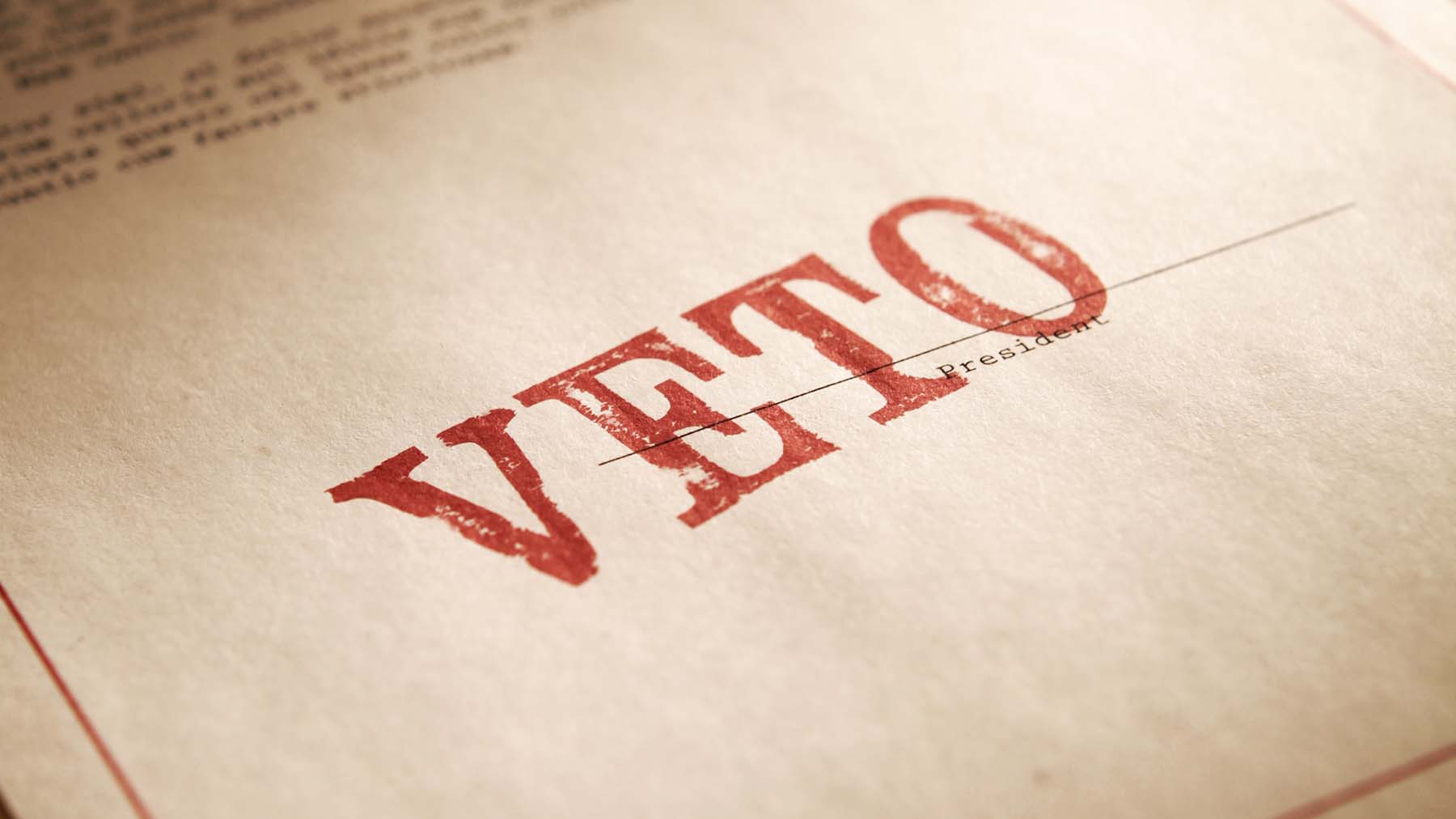
- Text:“When both chambers agree, the bill goes to the President. They can sign it into law, send it back with a veto, or take no action. If there is no action for ten days while Congress is in session, the bill usually becomes law. If Congress has ended and there is still no action, the bill can die quietly. Congress can still pass a vetoed bill with a two-thirds vote in both chambers.”
- Icon:Pen signing + a large “VETO” stamp.
- Prompt:“Would you ever veto a bill many people liked? Why or why not?”
Now your flip book is both accurateand student-friendly.
Full Lesson Plan: From Blank Pages To Finished Flip Books
This structure fits neatly into a 45-60 minute class.
Materials
- Pre-printed flip book templates with staggered tabs.
- Scissors, glue or staplers, colored pencils.
- A simple process diagram showing a bill’s path through Congress (printed or projected).
Lesson Flow
- Warm-up (5-7 minutes)
- Mini-lesson (10-15 minutes)
- Assemble flip books (10-15 minutes)
- Guided completion (15-20 minutes)
- Quick assessment (5 minutes)
- A mini-project idea (e.g., students present one tab as a mini oral explanation).
- A simple rubric outline: content accuracy, clarity, creativity.
This answers the real-world teacher question: “How do I actually teach this process with a flip book and not lose half the period?”
Also Check Out: How To Address Challenges In Co-Teaching Lesson Plan Essays
Where Bills Get Stuck: Real “Stop Points” Students Should See
Students are curious about how people or leaders can prevent a bill from becoming law. Rather than turning it into a political debate, treat it as a look at decision pointsbuilt into the system.
Based on detailed procedural descriptions, major stop points include:
- Committee inaction
- Leadership control of the calendar
- Floor votes in either chamber
- Extended debate in the Senate
- Presidential rejection
For older students, you can add a sidebar called “Places a bill can be stopped”and mark these along the tabs.
Real-Life Example: Using A Genetics Law As A Case Study
One widely discussed modern law protecting people from discrimination based on genetic information followed a long, multi-step journey through Congress before becoming reality. Guides describing that law’s history show exactly how a bill can move through all nine steps: drafting, introduction, successive committee reviews, amendments, debates, passage in both chambers, presidential approval, and implementation.
You can turn this into an extension activity:
- Print a simple timeline of key events for that law.
- Have students label which flip book tab each event belongs under.
- Discuss: “At which stage do you think this law faced the biggest challenges? What might have happened differently?”
This connects the flip book to a real legislative story, not just a hypothetical school rule.
Fun Facts About Bills Becoming Laws
Short fact callouts keep the content lively and help anchor concepts. For example:
- Most bills never make it.Out of the thousands introduced in each two-year congressional cycle, only a small fraction become law. Many never leave committee.
- Bills expire with each Congress.If a bill doesn’t complete the journey in that two-year period, it must be reintroduced next time.
- Anyone can inspire a bill idea.Everyday people, organizations, and experts often suggest ideas that members of Congress turn into proposals.
- The President doesn’t always sign.Sometimes allowing a bill to sit for ten days while Congress is in session lets it become law without a signature.
- Quiet endings exist.If Congress has adjourned and the President does nothing in that same ten-day window, the bill can die without a formal veto.
These are perfect for a small “Fun Facts” tab or a boxed section on one of the pages.
Digital And Differentiated Versions Of Your Flip Book
Many civics classrooms now blend paper and digital formats. You can mirror your flip book online to support different learners.
Digital options:
- Create one slide per step, matching each tab with a text box and an icon space.
- Use drag-and-drop sequencing so students practice ordering the steps.
- Let students record short explanations-one per step-for an oral assessment option.
Differentiation ideas:
- Provide partially filledflip books with sentence stems for emerging writers.
- Add a vocabulary boxon the back (bill, sponsor, committee, amendment, veto, override).
- Allow partner writing or oral responses for learners who need extra support.
FAQs About How A Bill Becomes A Law Flip Books
What Are The Seven Main Steps For A Bill To Become A Law?
A clear seven-step model is: ideas and drafting, introduction in Congress, committee and subcommittee review, debate and vote in the first chamber, review and vote in the second chamber, working out differences, and presidential decision (sign, veto, or no action that can have different outcomes).
How Do You Explain How A Bill Becomes A Law In Simple Words?
You might say: “Someone has an idea to fix a problem. A member of Congress writes it as a bill and introduces it. Small groups in Congress study it. Both the House and the Senate must agree on the same version. Then the President decides whether it becomes a law.”
How Does A Flip Book Help Students Understand This Process Better?
A flip book stores information step by step. Instead of trying to memorize one long explanation, students can flip directly to the stage they’re thinking about, see who is involved, and recall what happens there. It also becomes a reusable tool for quizzes, review games, and simulations.
Where In The Process Do Most Bills Fail?
Many bills never make it out of committee, where members decide whether a proposal should move forward. Others stall because they never reach the floor schedule or because they fail during a vote. A smaller share reach the President and face a veto.
How Long Does The President Have To Act On A Bill?
Typically, the President has ten days, not counting Sundays, to sign or reject a bill. If no action is taken while Congress is still in session, the bill usually becomes law. If Congress has ended and there is still no action during that window, the bill can quietly die instead.
Can A Bill Become Law Even After A Veto?
Yes. A regular veto can be overridden if both the House and the Senate pass the bill again with a two-thirds majority. In that case, the bill becomes law even without the President’s approval.
How Can People Or Leaders Keep A Bill From Becoming A Law?
Bills can be blocked at many steps. Committees can choose not to act. Leaders can decide which bills reach the floor. Members can vote against it. Procedures in one chamber can slow it down. The President can reject it. Only when enough lawmakers agree at each stage-and sometimes again after a veto-does a bill finally become law.
Can Leaders Prevent A Bill From Getting A Vote?
Leaders do not erase bills, but they have major influence over the schedule. They help decide which bills move out of committee, which receive structured debate, and which appear on the voting calendar. If a bill never appears on that calendar, it can effectively be blocked even if many members like it.
How Can Teachers Adapt This For Younger Grades?
For younger students, use fewer tabs (about five or six), keep sentences very short, and rely heavily on drawings and stories. Focus on the big idea: the bill is written, studied by a small group, voted on twice, and then goes to the President. As students get older, you can slowly add subcommittees, conference committees, and veto overrides.
Quick Recap
You now have a complete blueprint for a how a bill becomes a law flip bookthat actually deepens understanding, not just decorates notebooks. It gives you a flexible 7 step structure rooted in real legislative procedure, along with clear tab wording, visuals, and student prompts that work across different grade levels. It also helps students see a realistic view of the process, including where bills often get blocked rather than just following the ideal path shown in many basic charts.
This framework includes a practical lesson plan, assessment ideas, and extension activities-enough to support several days of meaningful civics instruction. With a real-bill case study added, students can connect their flip book to the way laws move through Congress in real life.
Used this way, the flip book becomes the backbone of your civics unit. Students won’t just memorize a catchy sequence; they’ll develop a genuine understanding of how ideas move through Congress, how they can stall, and what it actually takes for a bill to become a law.
If this approach helps you, consider saving it with your government unit plans or sharing it with a colleague so it’s ready the next time you teach how a bill becomes a law.
Jump to
Why A “How A Bill Becomes A Law” Flip Book Makes This Topic Finally Click
The Legislative Story In Simple Words
Turning The Process Into A “How A Bill Becomes A Law” Flip Book (7-9 Steps)
What To Put Under Each Flip Book Tab
Full Lesson Plan: From Blank Pages To Finished Flip Books
Where Bills Get Stuck: Real “Stop Points” Students Should See
Real-Life Example: Using A Genetics Law As A Case Study
Fun Facts About Bills Becoming Laws
Digital And Differentiated Versions Of Your Flip Book
FAQs About How A Bill Becomes A Law Flip Books
Quick Recap

K. N.
Author
Latest Articles
Popular Articles