Is Public Camping Legal? Florida Homelessness Law Explained
Is public camping legal under Florida's HB 1365? Get the facts on the law’s strict enforcement, new service mandates, and the Grants Pass ruling.
Author:K. N.Nov 15, 202521.5K Shares312.5K Views
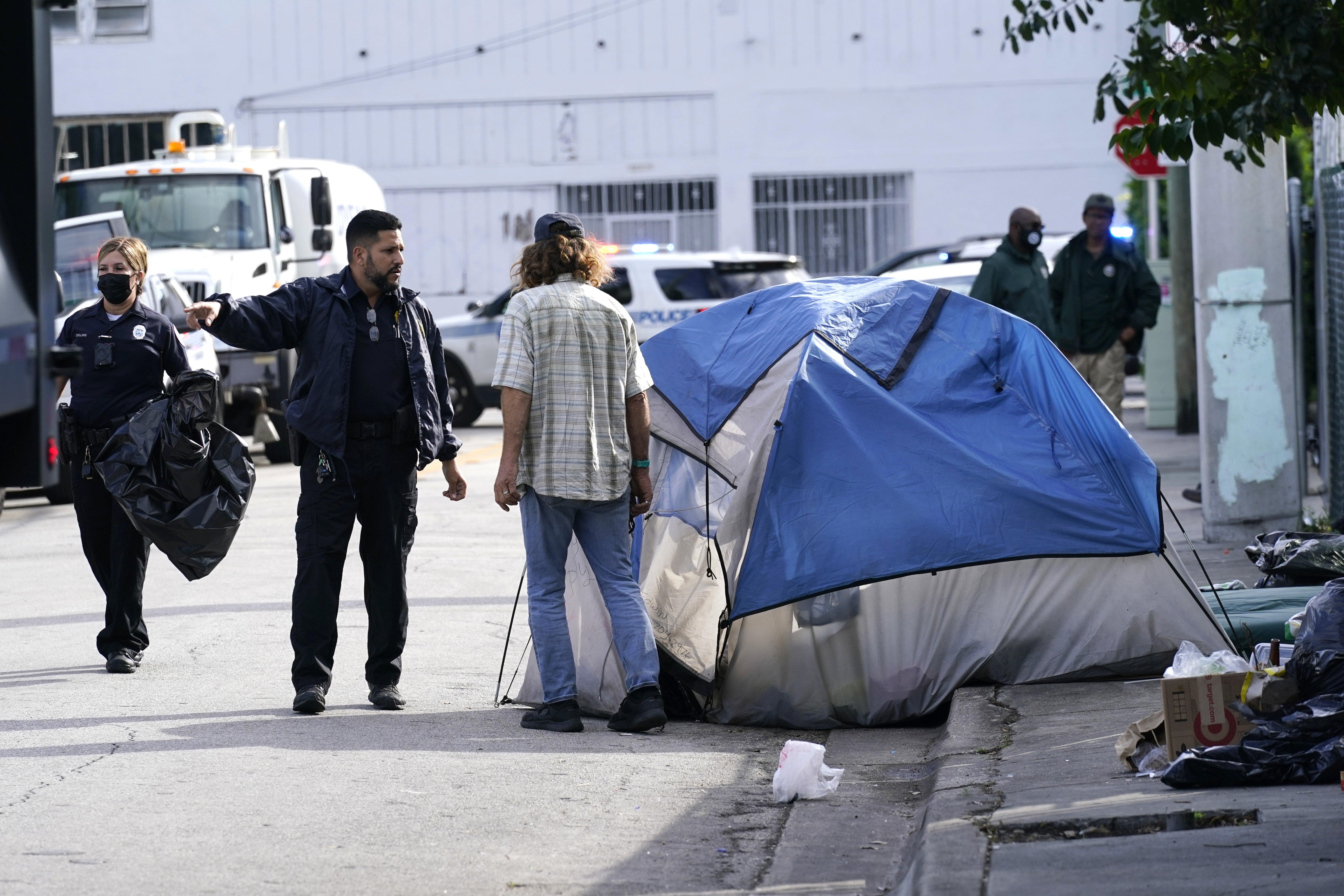
When “Nowhere To Sleep” Becomes A Legal Problem In Florida
The legal status of homelessness in Florida changed fundamentally with the passage of Florida House Bill 1365 (Unauthorized Public Camping and Public Sleeping Act). Effective in stages beginning in late 2024, the law redefined how cities and counties must manage individuals living unsheltered.
For thousands of Floridians sleeping in cars, under overpasses, or in hidden camps, that shift isn’t abstract. It changes where they’re allowed to exist when they have nowhere else to go.
How The New Florida Law On Homeless Camping Works
The Florida homelessness law (HB 1365) creates a state mandate that largely prohibits public sleeping on most public property unless it occurs in a county-designated, DCF-certified site. This is widely described as one of the nation’s stricter statewide bans on public camping by people experiencing homelessness.
Part 1: The Enforcement Mandate (The Stick)
The statewide prohibition on "regularly engaging in public camping or sleeping" on unauthorized public property took effect on October 1, 2024.
The most potent enforcement tool, the civil cause of action, became available on January 1, 2025. This unique provision allows any resident, local business owner, or the Attorney General to seek an injunction if, after written notice, the county or city fails to take all reasonable steps within five business days to stop unauthorized public camping or sleeping or to bring its practices into compliance. This threat of litigation and financial penalty has forced municipalities to prioritize rapid removal of encampments.
Part 2: The Support Mandate And Minimum Standards
HB 1365 also mandates service provision and specific standards for any designated alternative sites.
Mandatory Site Standards
Any county that chooses to designate a temporary camping area must comply with Department of Children and Families (DCF)approved minimum standards, including:
- Safety and security measures for residents and staff.
- Sanitation (at minimum, access to clean, working restrooms and running water).
- Rules and monitoring to prevent violence, drug dealing, and other criminal activity.
- Access to behavioral health and housing-focused support services.
- Time-limited designation (no more than one year before recertification or relocation).
The Unfunded Mandate:The Legislature increased the state Challenge Grant for homelessness services to just over $30 million in Fiscal Year (FY) 2024-25, which policymakers promote as part of the broader infrastructure needed to respond to HB 1365. Local leaders, however, widely argue that this funding remains far below what is needed to meet the law’s mandates, forcing an expensive financial strain on local budgets.
The Legal Standing: What Grants Pass Means For Florida’s Law
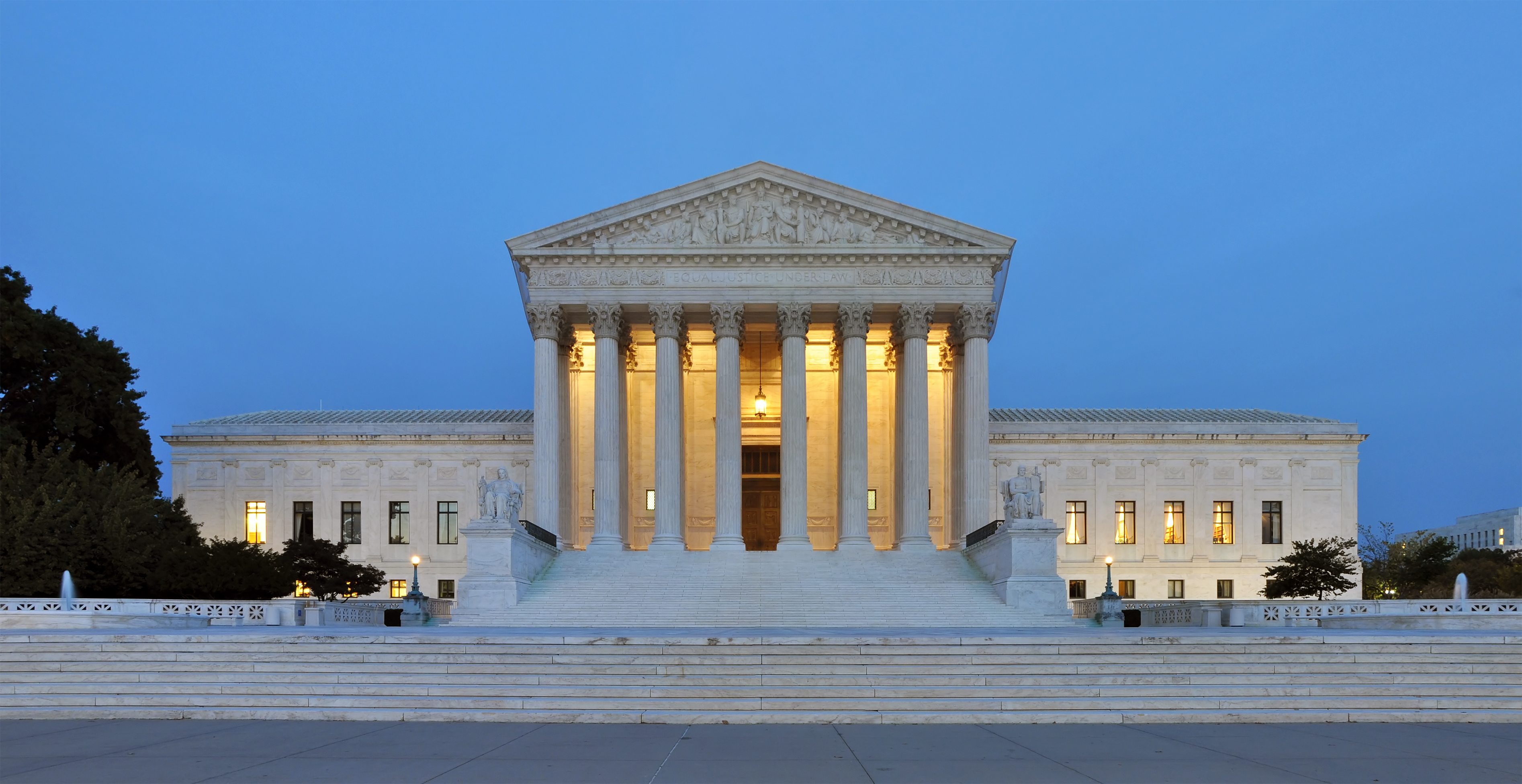
The strict enforcement mandate of HB 1365 gained significant legal authority following the U.S. Supreme Court’s June 2024 ruling in City of Grants Pass, Oregon v. Johnson. This is a crucial element of the Florida homelessness law landscape.
This ruling reversed the prevailing standard from the Ninth Circuit, which had previously held that criminalizing public sleeping was "cruel and unusual punishment" if no alternative shelter was available.
The Supreme Court held that the enforcement of generally applicable lawsregulating camping on public property does not violate the Eighth Amendment.
In practical terms, the Grants Passdecision removed the primary constitutional challenge that had restricted many cities from enforcing anti-camping laws. This decision effectively validated the strict, enforcement-heavy approach taken by the Florida legislature, reinforcing the legal standing of the Florida no camping law statewide.
Related Reading: The Role Of Law In Protecting The Environment
2025 Homelessness Data: Reduction Vs. Displacement
In the first statewide Point-in-Time (PIT) count after the law took effect, data for 2025 shows a significant shift, according to the Florida Council on Homelessness 2025 Annual Report.
Statewide Trends
- Total Homeless Population fell from 31,362 in 2024 to 28,498 individuals in 2025, representing a 9.1% reduction statewide.
- Unsheltered Homelessness saw an even sharper decline, with a 19.1% reduction statewide.
Regional Nuance
- The law's proponents highlight success in regions like Miami-Dade County, which reported a 17% drop in unsheltered individuals.
- However, the count for the Central Florida (Orlando area) region only stabilized, showing a much smaller impact.
- Critics warn of the Dispersal Effect, noting that while large encampments were cleared, unhoused people are now hiding deeper in areas to avoid enforcement, making them more vulnerable and difficult for outreach teams to contact.
Local Responses To The Mandate
In response to the unfunded mandate, local governments are scrambling for solutions:
- Miami-Dade County is operating hotel conversion projects to create permanent supportive housing for older homeless individuals.
- Brevard County has used funding for mobile shelter buses and dedicated mental health support at shelter sites.
- Palm Beach County has explored Safe Parking sites utilizing church property and other lots for those living in legally parked vehicles.
Community And Faith-Based Responses To The New Law
While the state pushes an enforcement-first policy, long-term success requires local, community-driven solutions focused on prevention and stability.
The Affordable Housing Tension:The most significant structural challenge to the Florida homelessness law remains the affordability crisis. The state’s shortage of affordable rental housing means that many low-income Floridians cannot sustain housing long-term without deep subsidies.
Prevention Programs:Non-profit partners like Catholic Charities of the Diocese of Palm Beachare on the front lines, focusing on homelessness prevention by offering rental, mortgage, or utility assistance for families facing temporary financial crises, thereby stopping the cycle before it begins.
Housing First vs. Enforcement:Analysts often contrast the HB 1365 mandate with the Housing First approach, which provides stable housing immediately and follows up with voluntary services. While the law achieves visible order, evidence suggests that Housing First is more effective in achieving long-term outcomes for individuals with complex needs, such as the 17% of the homeless population who suffer from severe mental illness.
Also Check Out: How To Understand A Home Construction Contract
FAQs About Florida’s Homelessness Law 2025
Is It Illegal To Be Homeless Under Florida's 2025 Homelessness Law?
No. The Florida homelessness law (HB 1365) regulates conduct—public camping and sleeping—not the status of being homeless. However, when people have no legal place to sleep, advocates argue it effectively criminalizes being unsheltered.
What Is The Purpose Of The Law's Civil Cause Of Action?
Since January 1, 2025, any resident or business owner can seek an injunction if a city or county does not take all reasonable steps within five business days to address an unauthorized encampment after written notice. The aim is to pressure local governments to enforce the camping ban.
What Happens If A City Doesn’t Have Enough Shelter Beds?
The camping ban still applies. A county may instead designate a piece of public property as a temporary, regulated camping site, but it must be certified by DCF and meet strict standards for safety, sanitation, and access to behavioral health services.
Does The Law Apply To People Sleeping In Their Vehicles?
No. The law explicitly exempts "Lodging or residing overnight in a motor vehicle that is registered, insured, and located in a place where it may lawfully be," provided the vehicle is legally parked.
Final Thoughts
The Florida homelessness law 2025 is a definitive, and controversial, legislative attempt to solve a complex social crisis through a strong regulatory framework. The Grants Pass ruling has legally validated the enforcement component, giving cities unprecedented power to clear encampments.
While the statewide reduction in unsheltered homelessness is a victory for proponents, the ultimate measure of success will be whether the state's investment in services can keep pace with the enforcement pressure. The challenge remains converting that visible reduction into permanent, stable housing for the state's nearly 28,500 homeless residents.
Jump to
When “Nowhere To Sleep” Becomes A Legal Problem In Florida
How The New Florida Law On Homeless Camping Works
The Legal Standing: What Grants Pass Means For Florida’s Law
2025 Homelessness Data: Reduction Vs. Displacement
Community And Faith-Based Responses To The New Law
FAQs About Florida’s Homelessness Law 2025
Final Thoughts
K. N.
Author
Latest Articles
Popular Articles