How To Understand A Home Construction Contract | The Complete Breakdown
Learning how to understand a home construction contract is a must before starting any building project. It’s not just about the price, but about protecting your rights.
Author:K. N.Sep 10, 202510K Shares294.1K Views

A home construction contract is much more than a list of tasks and prices. It is a legally binding agreement that forms the foundation of your entire project. This contract explains the scope of work, the timeline, how payments will be made, and the responsibilities of everyone involved, including you as the homeowner and your contractor. Its main purpose is to set clear expectations and provide a fair way to handle disagreements if they come up.
Think of the contract as the blueprint for the legal side of your project. If the wording is vague or unclear, it can easily cause confusion, delays, extra costs, or even legal battles. That is why a well-written contract is so important. It acts as both a record of what was agreed upon and a safeguard to protect your investment.
Understanding The Types Of Construction Contracts
Choosing the right type of contract is one of the most important decisions in any building project. The kind of contract you sign decides who takes on the risks and how money is managed. That’s why homeowners need to understand construction contract basics before starting negotiations.
Fixed-Price Contracts
The contractor agrees to finish the whole project for one set price in this type of contract. The good part is that the homeowner knows the total cost upfront, even if labor or material prices go up later. The downside is that contractors may be less open to changes, and they might set a higher price at the start to cover their risks.
Cost-Plus Contracts
Here, the homeowner pays for the actual costs of labor and materials, plus an extra fee or percentage for the contractor. This option is flexible and works well when the project details aren’t fully clear. But it puts the financial risk on the homeowner, since costs can keep rising without a clear limit.
Time And Materials Contracts
With this agreement, the homeowner pays for the contractor’s time and the materials used. It’s common for small or uncertain jobs, like repairs. However, it offers little control over the final budget and may cause disagreements if records aren’t carefully kept.
Choosing What Works Best
The right contract depends on the homeowner’s priorities. If you want a clear budget, a fixed-price contract is usually best. If you prefer flexibility to make changes as you go, a cost-plus contract may work better. Either way, knowing the risks and benefits of each option is key to protecting yourself.
Key Parts Of Your Construction Contract
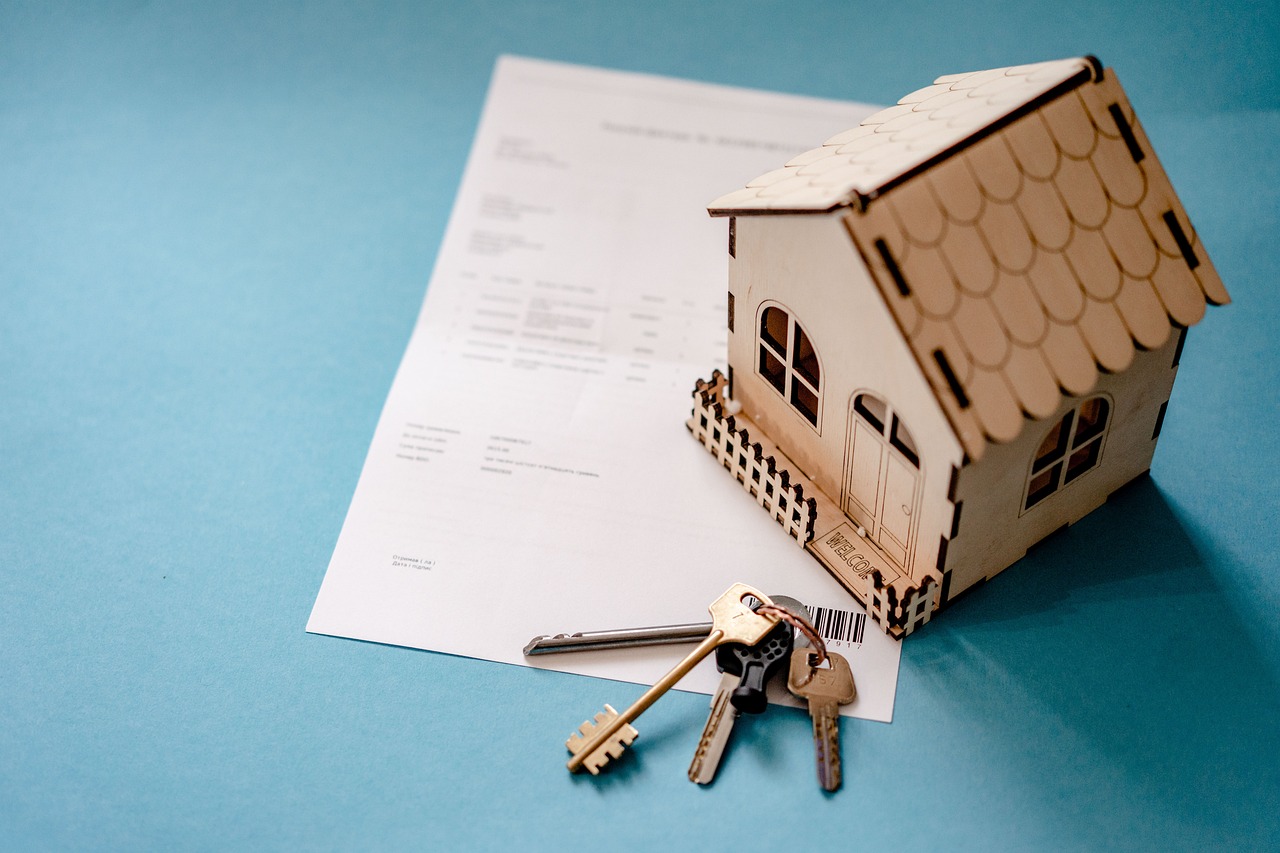
A home construction contract is more than just a signature on paper. It’s the rulebook for how your project will run, protecting both you and your contractor. These are the key elements of construction contracts that every homeowner should carefully review to ensure the project runs smoothly and risks are minimized.
Scope Of Work
This is the “what” of your project. It should spell out exactly what the contractor will build and what materials will be used. For example, number of rooms, type of flooring, finishes, and quality standards. The more detail, the better because vague terms like “paint walls” should instead say “paint all interior walls, 1,500 sq. ft., with two coats of brand X eggshell paint.” Clear plans and written details prevent confusion later.
Project Timeline
Your contract should set clear start and finish dates, plus any important milestones along the way. It should also explain what happens if there are delays, like bad weather or permit issues. Some contracts include a daily fee the contractor pays if work runs late.
This motivates on-time work and helps cover costs if your move-in is delayed. Details are especially important in residential architecture, where design features like flooring, finishes, and room layouts can significantly impact both cost and quality.
Payment Terms
This section explains how and when you’ll pay. Many contracts ask for a deposit, then payments at certain stages of the build such as after the foundation is poured or the framing is complete. Each payment should be tied to real progress, not vague promises. Also, make sure the contractor gives you “lien releases” from subcontractors before you pay. This prevents unpaid workers from placing legal claims on your home.
Change Orders
Plans often change once construction begins. A good contract should explain how to handle changes in writing. Any extra work, upgrade, or design tweak should be approved by both sides and clearly state the cost and time impact. Never rely on verbal agreements because they can lead to surprise charges later.
Warranties And Guarantees
Your contract should include a warranty on labor and materials, usually lasting one or two years. This means the builder must fix defects or mistakes. Watch for fine print that tries to limit these protections. At minimum, you want a clear promise that the work will meet building codes and professional standards.
Insurance, Licensing, And Permits
The contract should confirm that the contractor is licensed in your state, carries insurance, and will get all required permits. This protects you if a worker gets hurt or if inspections fail. Double-check the license and insurance information yourself, and make sure the contract lists the details.
Dispute Resolution
Look for a section that explains how disputes will be handled. Some contracts require arbitration instead of court, which can be faster but limits your right to appeal. Others may suggest mediation first. Read this carefully, it can affect how you resolve serious problems later.
Termination And Default
Finally, the contract should explain what happens if either side doesn’t hold up their end of the deal. If the contractor walks away or fails to perform, you should have the right to fire them and hire someone else, using their payment to cover the cost. If you don’t pay as agreed, the contractor may keep your deposit or stop work.
A fair termination clause gives both sides clear rights and remedies. When creating a construction contract, make sure the termination clause fairly explains the rights of both sides if things go wrong.
How To Protect Yourself In A Construction Contract
Even a solid contract can hide risks if you are not careful. Here are practical tips to keep in mind when reviewing your agreement:
Read Every Clause
Never skim. Contracts often contain legal language and small details that can have big consequences. For example, a line might say disputes must be raised within 10 days or that another state’s lawsapply. Read slowly and make sure you understand each part. If you feel overwhelmed, learning how to choose an attorneywith experience in construction contracts is a smart step, especially for large or complex projects.
Avoid Vague Or Missing Details
A contract that says “materials as per standard practice” or “payment due at completion” is too vague. Push for clear details such as specific material brands, who supplies them, and exact payment stages. Also, watch for conflicts. If the written specs say two sinks but the drawing shows one, the contract should state which document controls.
Check Licensing And Insurance
Do not take the contractor’s word for it. Verify with your state licensing board that their license is valid and up to date. Ask for proof of liability insurance and workers’ compensation.
If the contract doesn’t already require these, request that it does. This protects you from costs if accidents or code violations occur. Also, ask for references or past projects. If the contractor refuses, that’s a red flag.
Be Careful With Deposits
A small deposit is common, but large upfront payments are risky. In many states, the law caps deposits at 10% of the total price or $1,000, whichever is less. The safest approach is to pay in stages as the work progresses. Never agree to pay the full price before the job is finished.
Get Everything In Writing
If the contractor promises a free upgrade or discount, put it in the contract. Verbal agreements are rarely enforceable and often cause disputes. Always follow up meetings with written confirmation.
Negotiate Before Signing
Remember, a contract can be changed before you sign. Ask to add terms that protect you, like requiring the builder to do work in a professional manner and follow building codes. You can also negotiate timelines, extend warranty coverage, or add penalties for late completion. Good contractors expect some negotiation.
Plan For Problems
Your contract should clearly explain how disputes will be handled. Pay attention to deadlines for raising complaints, such as how long you have to report defective work.
Also check for “force majeure” clauses that cover events like storms or supply chain problems, and make sure they are fair. Even the history of contract lawshows that clear agreements have always been essential for avoiding disputes between parties.

Managing Change Orders And Cost Overruns
Small or big changes often come up along the way, and costs can shift if they are not carefully managed. Interestingly, while corporate lawand construction law deal with different industries, both emphasize the importance of clarity and accountability in agreements.
By setting clear rules for changes and keeping a close eye on expenses, you can protect your budget and avoid unpleasant surprises. To stay on track, many homeowners rely on a new home construction contract checklist to confirm that cost changes, approvals, and timelines are properly documented.
Best Practices For Change Orders
Changes during construction are common, but they should not blow up your budget. To stay in control:
- Get every change in writing. The document should include cost details and how the timeline will be affected.
- Do not rely on verbal approvals. Insist that both you and the contractor sign off on all changes.
- Set a change order budget. For example, limit changes to no more than a set percentage of the original contract. This helps prevent the project from expanding beyond what you planned.
Strategies For Controlling Costs
Staying on top of expenses is key to avoiding surprises. Try these steps:
- Review the budget regularly. Ask for detailed reports that show actual costs compared to what was planned.
- Set approval limits. For instance, require your sign-off for any single expense above $1,000 or any cost category that goes over budget by more than 10 percent.
- Consider hiring an independent inspector or project managerfor big projects. Their fee is often outweighed by the money saved through tighter cost control and better quality checks.
Frequently Asked Questions
What Should I Look For In Construction Contracts?
The key phrase is fairness in all transactions. Look for specifications of all items for the job completion, safety clause for the job, look for how you are likely to get paid, escalation clauses, dispute resolution clauses are the main clauses one has to understand and sign the contract.
Which Type Of Construction Contract Is Most Commonly Used?
Lump sum contracts, also called fixed price contracts, establish a fixed price for all of the materials and labor required to complete a job. This is the most basic and common type of construction contract.
What Should I Do If I Don’t Understand Part Of The Contract?
Never sign if you’re uncertain. Ask the contractor to explain it in plain language. If necessary, get help from a construction-savvy lawyer or consultant. An experienced construction attorney can spot sneaky clauses or advise you on state-specific rules.
Can I Terminate My Construction Contract If I'm Unhappy With The Work Quality?
Termination rights depend on your contract terms and the severity of quality issues. Material breaches of contract, such as using substandard materials or failing to follow plans, may justify termination.
Conclusion
Navigating a home construction contract can feel overwhelming, but it is one of the most important steps in building your dream home. Take time to carefully review each part of the contract and make sure the contract clearly explains everything needed for the construction. This protects both you and your investment.
Be cautious of vague language or requests for very large upfront deposits. Remember, you always have the right to negotiate terms before signing. With a well-written contract, you can move forward confidently, knowing that responsibilities are clearly defined and solutions are in place if something goes wrong. Building a new home is a big step, and a strong contract is the roadmap that helps you reach the finish line with fewer surprises.
Edit paragraph. Please delete this text and add your content here.

K. N.
Author
Latest Articles
Popular Articles