European Law Students Association | Complete Career Guide
Learn how the European Law Students Association (ELSA) turns law students into global-ready lawyers with traineeships, moot courts and law schools.
Author:K. N.Nov 12, 202511K Shares151.2K Views

Elevate Your Legal Future: Mastering The European Law Students' Association (ELSA)
For ambitious law students, a global legal career requires more than top grades. It demands an international network, practical training, and real cross-cultural experience. The European Law Students’ Association (ELSA)provides this structure: it is the world’s largest independent, non-political, non-profit organization for law students and young lawyers, connecting them across Europe and beyond.
If you want to turn European legal theory into applied skills and gain access to international internships, moot courts, and institutions, ELSA is a direct route. Its programs are built to prepare members for professional work in an international environment through targeted academic activities, traineeships, and intercultural cooperation, helping you build a clear, competitive global legal profile.
The Foundational Story: Building ELSA Across The Iron Curtain
The establishment of the European Law Students' Associationis rooted in a compelling vision of cooperation that spanned geopolitical divides.
- Birth of a Vision:ELSA was officially founded on 4 May 1981 in Vienna, Austria.
- The Founders:It was the initiative of five law students from four distinct nations: Austria, Hungary, Poland, and West Germany.
- A Cross-Border Mandate:This unique mix of founders, coming from both sides of the Iron Curtain, immediately affirmed ELSA's core purpose: "To contribute to legal education, to foster mutual understanding and to promote social responsibility of law students and young lawyers" through critical dialogue and scientific co-operation-a truly pioneering effort in the early 1980s.
Understanding The ELSA Ecosystem: Scale, Structure, And Diplomatic Clout
To truly maximize the benefits of the European Law Students' Association, prospective members must first grasp its foundational principles and expansive structure.
ELSA's Scale And Diplomatic Status
ELSA claims to be the world's largest independent law students' association, a claim supported by its vast reach:
- Membership & Reach:It currently represents approximately 60,000 members across 43 countries and is active in over 400 law faculties (the number of active groups is often cited around 350-432).
- The Vision and Purpose:The association's efforts are guided by its Vision: "A just world in which there is respect for human dignity and cultural diversity." This commitment is why ELSA holds high diplomatic status, including Special Consultative Status with the UN ECOSOC and Participatory Status with the Council of Europe. This diplomatic access allows ELSA members to apply as delegates to observe high-level international proceedings.
The ELSA Governance Model: Student-Managed And Global
ELSA operates on a decentralized, three-tiered structure that is entirely student-managed, similar to a small franchise:
- Local Groups: The university-based chapters (e.g., ELSA Leiden, ELSA Tilburg) are where individual students obtain their ELSA membership and where the core activities take place.
- National Groups:Coordinate activities at the country level (e.g., ELSA the Netherlands, ELSA UK).
- ELSA International:Based in Brussels, Belgium, this level is managed by the elected International Board (elected for a one-year term at the International Council Meeting (ICM)). The Board is responsible for coordinating the entire network and developing collaborations with international organizations, law firms, and companies across Europe.
The Power Of ELSA's Activities: Experience, Expertise, And Networking
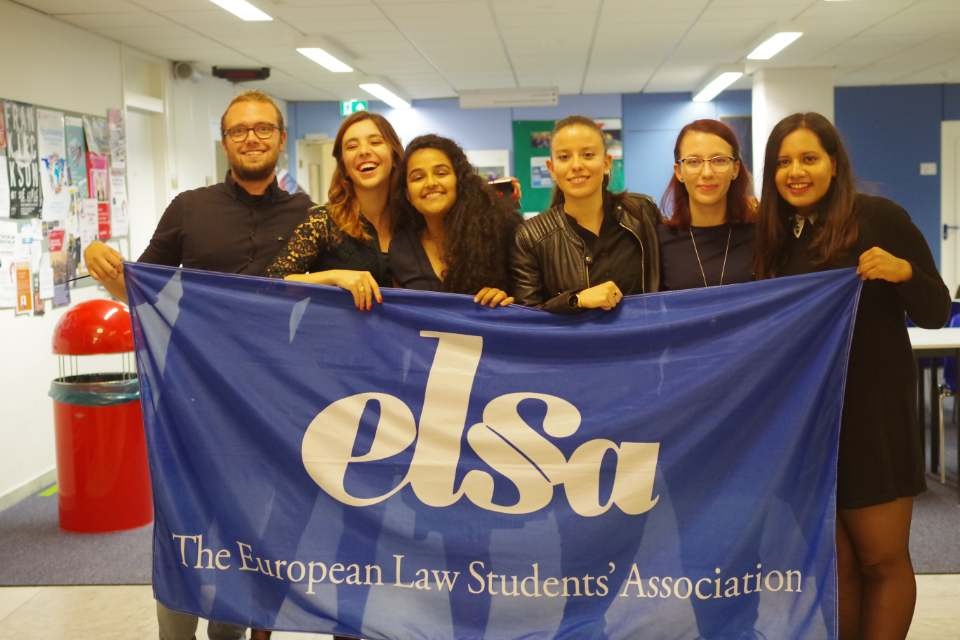
ELSA's programs are meticulously designed to complement and surpass the traditional law school curriculum, focusing on practical and international skills.
Academic Activities: Mastering Global Advocacy And Comparative Law
Academic Activities (AA) and Competitions (C) offer essential practical and interactive learning:
- High-Stakes Mooting:ELSA organizes the globally recognized John H. Jackson Moot Court Competition(on WTO Law) and the European Human Rights Moot Court Competition (EHRMCC) (in cooperation with the Council of Europe). Participating here provides direct, simulated experience in international trade law and litigation before the European Court of Human Rights-a critical Expertise builder.
- Legal Research Groups (LRG):These collaborative projects, often resulting in published reports, focus on cutting-edge topics like Migration Law and Children's Rights. Contributing to an LRG report provides demonstrable Authoritativeness and a valuable publication for your CV.
- Webinars and Rule of Law programs (ROLE):These initiatives ensure students remain engaged with contemporary legal education, with ROLE programs also developing public speaking skills by teaching basic legal principles to high school students.
Also Check Out: Lawyer Career Paths
Professional Development: Securing International Experience With STEP Traineeships
The Student Trainee Exchange Program (STEP) is ELSA’s flagship professional tool, providing ELSA Traineeships (internships) abroad in law-related fields:
- The Experience Factor:Traineeships range from two weeks to two years, with host institutions including law firms, courts, NGOs, and parts of the Council of Europe. This provides immediate, cross-cultural legal Experience-a non-negotiable requirement for international practice.
- Study Visits and Law Schools (Summer School):Complementary to STEP, ELSA Law Schools (Summer and Winter) offer intensive, specialized academic courses and high-level networking, while Study Visits enable members to travel to other ELSA groups for a blend of legal and cultural exchange, broadening their understanding of diverse legal systems.
Related Reading: Free Law Internships For High School Students
FAQs: Your Journey With The European Law Students' Association
What Are ELSA Traineeships?
ELSA Traineeships are law internships organised through the STEP programme. They give law students and young lawyers practical legal experience, often in another country. The ELSA network coordinates applications, selection, and contact with host organizations.
How Do I Obtain ELSA Membership And What Is The Typical Commitment?
You get ELSA membership by joining the Local Group at your university or law faculty. You can be a passive member and just attend events. If you join a board or committee, expect a regular weekly time commitment.
Which University Is Best For Law In Europe?
There is no single best law university in Europe. The right choice depends on your preferred field and language. A strong ELSA Local Group can add major value through moots, events, and STEP traineeships.
What Is The Significance Of The ELSA International Board And The Officers’ Portal?
The ELSA International Board leads the whole network from Brussels. The Officers’ Portal is the internal platform that stores resources and guides local and national officers.
Conclusion
The journey to becoming an internationally-minded legal professional requires proactive engagement. The European Law Students' Association is the most potent tool in a law student’s arsenal for securing global opportunities.
If you’re serious about a career that crosses borders, your next step is clear: Find your local chapter via the ELSA International website, secure your ELSA membership, and start planning your participation in a STEP traineeship or Summer Law School. Don't just study the law; experience it, internationally.
Jump to
Elevate Your Legal Future: Mastering The European Law Students' Association (ELSA)
The Foundational Story: Building ELSA Across The Iron Curtain
Understanding The ELSA Ecosystem: Scale, Structure, And Diplomatic Clout
The Power Of ELSA's Activities: Experience, Expertise, And Networking
FAQs: Your Journey With The European Law Students' Association
Conclusion

K. N.
Author
Latest Articles
Popular Articles