Construction Defects Lawyer | What To Do First & What To Avoid
Need a construction defects lawyer? Learn what to document, what not to say in writing, when emergency repairs are OK, and how limitations vs repose can affect options.
Author:K. N.Dec 02, 2025256.3K Shares3.5M Views

Construction Defects Lawyer: Protect Evidence, Deadlines, And Leverage Early
You’re here because something feels off: cracks that keep growing, windows that leak “only in heavy rain,” floors that slope, or a repair that didn’t stick. The hard part isn’t just fixing the defect-it’s avoiding the two mistakes that quietly destroy good claims: losing evidence and missing required process steps.
Construction defect rules and deadlines vary by state and by contract, so treat this as a practical playbook for smarter decisions-and verify key steps with a licensed attorney in your jurisdiction.
It’s written for homeowners, condo owners, HOA boards, and small property owners dealing with suspected design, workmanship, or materials defects.
By the end, you’ll be able to document defects correctly, choose the right pre-lawsuit path (warranty/notice/negotiation), understand limitations vs repose in plain English, and vet a construction defects lawyerwith confidence.
The Big Risk: Repairs And Conversations That Accidentally Damage Your Case
Many homeowners treat a defect like normal maintenance: call a contractor, open the wall, replace the window, move on. From a “stop the damage” perspective, that can be reasonable. From a claim perspective, it can also be costly if your actions erase what needs to be proven.
A common pattern looks like this:a homeowner notices a stain under a window after storms. A handyman re-caulks it. The stain returns. Two months later, someone opens the wall and finds rot-but the original flashing detail is gone, and the timeline is fuzzy. At that point, proving cause (design vs workmanship vs materials) becomes harder, and the other side has more room to deny.
Common case-killers:
- Repairs before documentation(no photos, no saved materials, no baseline condition).
- Verbal-only “promises”with no paper trail.
- Speculation in writing(“this is definitely negligence”) instead of observable facts.
- Skipping required notice stepsin states that require a pre-suit notice and opportunity to repair (Florida’s Chapter 558 is a well-known example of this kind of framework).
- Delay, especially when limitation and repose deadlines are involved.
Common mistake I see:People “clean up” the evidence because they’re embarrassed by the mess. Mess is information-photograph it first.
Quick “Am I In The Right Place?” Triage (cost, Safety, Multi-party)
A construction defects lawyer is typically worth consulting when one or more of these are true:
- Repair costs are meaningful(water intrusion behind finishes, structural/foundation concerns, roof-system failure).
- There’s a safety risk(electrical hazard, unstable structure, severe indoor air quality concerns).
- Multiple parties may be involved(builder, subcontractors, architect/engineer, developer, suppliers).
- The defect repeatsafter multiple “fixes.”
- It affects multiple homes or common areas(HOA/condo building envelope, roofs, balconies).
- Deadlines are unclear, and timing could control what options remain.
Related terms often used for this situation:
- “Construction defect attorney” and “construction litigation lawyer” commonly describe overlapping services; the practical difference is defect-specific process and expert strategy.
- “New construction defects” and “renovation/remodel defects” can require different proof, documents, and responsible-party analysis.
A quick filter for evaluating local counsel:
- Ask which pre-suit notice/right-to-repairrules may apply and how they handle them.
- Ask about their expert network(engineers, building envelope consultants) and how expert costs are planned.
- Ask whether they’ve handled matters in the local courtsor under the arbitration forums commonly used in the area.
- Ask them to explain statute of limitations vs statute of reposein plain English and identify the key dates needed to confirm deadlines.
What Counts As A Construction Defect (and What Doesn’t)
This section helps you translate “something’s wrong” into categories that can be documented and proven.
Latent Vs Patent Defects (plain-English)
- Latent defect:Hidden and not reasonably discoverable at completion (often found months or years later).
- Patent defect:Observable and discoverable on reasonable inspection at or near completion.
This matters because deadlines and defenses can depend on when a defect was discovered or reasonably should have been discovered, and because some deadlines operate regardless of discovery.
Design Vs Workmanship Vs Materials
Most defect cases involve one (or more) of these:
- Design defects:The plan/detail is flawed (water management, drainage, structural specifications, HVAC sizing).
- Workmanship defects:The plan may be fine, but installation/execution wasn’t (missing flashing, poor sealing, improper slopes).
- Materials defects:A component fails prematurely or doesn’t perform as specified (windows, membranes, sealants, fasteners).
Micro-scenario:a roof leak is blamed on “bad shingles.” Testing later shows the shingles are fine-but the flashing at a transition was installed incorrectly and water was driven behind a poorly integrated barrier. That’s design-workmanship overlap, and it changes who may be responsible.
Common Defect Categories (water Intrusion, Foundation/structural, Roofing, Plumbing, Electrical)
Common categories that show up repeatedly:
- Water intrusion/moisture:windows/doors, roof transitions, balconies, stucco assemblies, below-grade waterproofing. Building-science guidance from code and standards bodies regularly emphasizes correct flashing and sequencingso water drains out rather than into assemblies.
- Foundation/structural movement:differential settlement, framing issues, inadequate connections.
- Roofing:improper underlayment, ventilation defects, penetrations/transitions done wrong.
- Plumbing:hidden leaks, improper slope/venting, faulty connections.
- Electrical:safety issues, code violations, improper installations.
The First 7 Days After You Discover A Defect (evidence-first Checklist)
This is the part that protects your options. Even if you hire counsel later, these steps make your case faster to evaluate and harder to dismiss.
How To Document (photos, Measurements, Moisture Readings, Timeline)
First 7 Days: Evidence-First Checklist
- Start a defect log:date, time, weather, location, what you observed.
- Photograph wide + close:include a ruler/coin for scale; capture surrounding context.
- Video when active:dripping, pooling, electrical flicker, movement, sounds.
- Map locations:mark defects on a floor plan or simple sketch.
- Collect documents:contract, change orders, warranties, permits/inspection records, punch lists.
- Centralize communications:save emails/texts into one folder and keep a single thread going.
- Preserve materials (if safe):failed sealant, wet drywall, fasteners-bag/label with date and location.
- Get a neutral documented look:for substantial issues, a qualified inspector/engineer can document conditions without improvising repairs.
Micro-scenario: a homeowner snaps photos only of the stain. The better approach is photos of the stain plus the exterior wall, the window head/sill area, nearby gutters, and any visible drainage details-because causation often lives in those relationships.
Your Construction Defect Documentation Pack
- Defect log fields:date/time, exact location, weather, symptom description, “what changed,” who you notified.
- Photo checklist:wide context, mid-range context, close-up, scale reference, “before/after” of any mitigation.
- Folder naming convention:YYYY-MM-DD_Location_Symptom(so your timeline sorts itself).
- Receipt tracker:mitigation costs, inspections, temporary housing, and any “stopgap” repairs-one spreadsheet or note is enough.
Common mistake I see:People only take “close-up damage photos.” The “wide context photo” is often what explains why the damage happened.
How To Communicate (writing, One Thread, No Speculation)
Communication is evidence. Treat it like an exhibit.
- Use emailor another written channel; keep everything in one thread if possible.
- Stick to observable facts: “Water stains appeared under the window after rain on [date].”
- Avoid diagnosing in writing unless you have a report.
- Ask for specifics: inspection date, attendees, scope of proposed repair, and whether any document you sign includes a release.
A critical practical rule: don’t sign anything with a “release,” “waiver,” “full and final settlement,” or “no further claims” clauseunless you understand what you’re giving up. It’s common for repair authorizations and settlement paperwork to include language that limits future claims.
When Emergency Repairs Are Okay-and How To Document Them
If there’s active flooding, electrical danger, or structural safety risk, you may need immediate mitigation. The key is to mitigate without erasing the evidence trail.
Smart mitigation:
- Stop the source (shutoff, tarp, containment) without unnecessary demolition.
- Photograph/video before, during, and after.
- Save receipts and write one sentence: “Emergency mitigation to prevent ongoing damage.”
- Preserve removed materials when safe.
Common mistake I see:Doing a “full cosmetic restoration” immediately (new drywall/paint) before the cause is verified. That can bury the trail.
Your Options Before A Lawsuit (warranties, Notice, Repair Programs, And Negotiation)
Most defect disputes resolve before trial. The practical question is which path gets you a durable fix without sacrificing your rights.
Warranty Review (builder Warranty, Product Warranties, Implied Warranty Concepts)
Start with documents you already have:
- Builder warranty terms (coverage, exclusions, notice requirements).
- Product warranties (windows, roofing, membranes).
- Any maintenance requirements tied to warranty coverage.
Even limited warranties can be useful because they formalize inspection rights and communication steps.
Related Reading: How To Understand A Home Construction Contract
Notice/right-to-repair Rules (state-dependent)
Many states have procedures that require notice and an opportunity to inspect and/or repair before litigation. The reason is policy-driven: encourage repairs and reduce avoidable lawsuits. The effect is practical: it creates a process gatethat can affect strategy and leverage.
Examples (for illustration only, not universal rules):
- Florida’s Chapter 558 statuteprovides a structured notice and opportunity-to-repair framework before litigation in many construction defect contexts.
- The California Contractors State License Board (CSLB)explains homeowner-oriented steps associated with California’s “Right to Repair Act” process (often discussed as SB 800), including builder contact and repair opportunities in many situations.
Common mistake I see:Letting negotiations drag for months without confirming whether notice rules and deadlines still protect you.
Demand Letters, Mediation, Arbitration (pros/cons)
Common resolution tools:
- Demand letter:a structured, factual request for repair/payment with a deadline.
- Mediation:a facilitated negotiation; often faster and cheaper than court.
- Arbitration:private dispute resolution; sometimes required by your contract; can be faster but limits court procedures and appeals.
Pros:
- Faster and less expensive than full litigation in many cases.
- Can preserve relationships (useful in HOAs/condos).
- Encourages repair-focused solutions.
Cons:
- Stalling wastes time near deadlines.
- Arbitration can limit discovery and can feel more constrained than court.
2-Column Decision Table: Picking The Smartest First Path
| If your situation looks like this… | The best first path is usually… |
| Builder is responsive; defect seems limited; warranty coverage is plausible | Document + written warranty notice + insist on a defined repair scope |
| Recurring leak, hidden damage suspected, or “patch fixes” keep failing | Document + expert consult + counsel to protect process and proof |
| Structural or safety risk (or urgent water entry) | Stabilize safely + document before/during/after + immediate consult |
| HOA/condo common elements (roof, envelope, balconies) | Board-authorized investigation + centralized evidence + coordinated notice |
| Deadlines unclear or project age is approaching a hard cutoff | Deadline check consult before negotiation drags on |
| Contract requires arbitration/ADR | Preserve evidence + plan expert strategy + mediation/arbitration-ready demand |
The right path is the one that matches your risk level and preserves deadlines-without overpaying to “prove” a small claim.
Deadlines That Can End Your Case (statute Of Limitations Vs Statute Of Repose)
A real defect can become non-actionable if timing cuts you off. That’s why “wait and see” is risky in this niche.
Why Repose Matters Even If You “just Discovered It”
A statute of limitationsis commonly tied to accrual/discovery concepts. A statute of reposeis an outside cutoff tied to completion/substantial completion, and can bar claims even when a defect is discovered later.
Micro-scenario: a homeowner discovers significant water damage five years after closing. If the state’s repose period is shorter than the time since completion, the clock may have already run-regardless of when the leak became obvious.
What Triggers Clocks (discovery, Substantial Completion-varies By State)
Triggers vary, but often include:
- Discovery (actual or “should have discovered”)
- Substantial completion / completion milestones
- Final inspection events (sometimes relevant)
- Repair attempts (sometimes relevant, but never assume)
“Verify Your State” Action Steps And What To Bring To A Consult
Bring:
- Contract, warranties, change orders
- Closing documents (new home purchase)
- Permits/inspection records (if available)
- First symptom date + any earlier clues
- Repair invoices and communications
- Homeowner association (HOA)governing docs (if applicable)
Ask:
- “What limitations and repose rules likely apply here?”
- “Do we have notice/right-to-repair requirements?”
- “What should we do this week to preserve proof?”
A short deadline consult early can protect months of effort later.
How A Construction Defects Lawyer Builds A Winning Case (the Proof Stack)
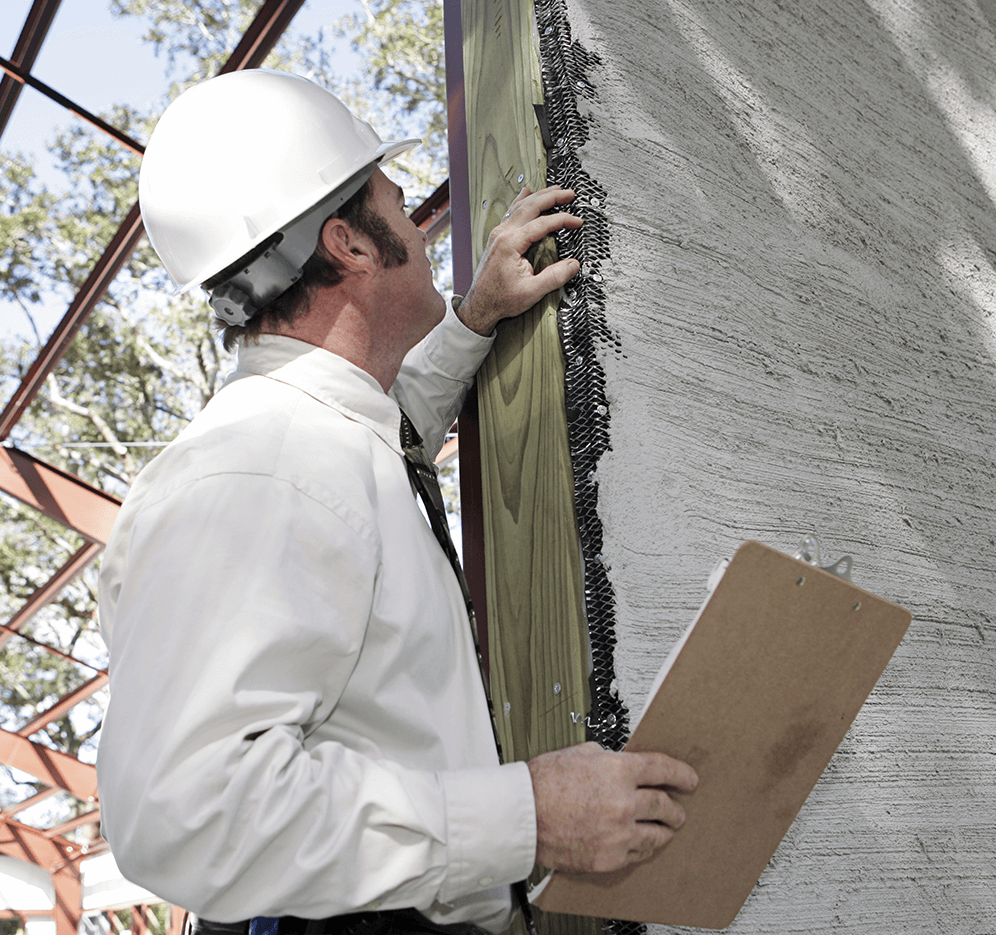
Good cases are built. The lawyer’s value is organizing facts into a proof structure that’s harder to deny and easier to settle.
Liability Map (who Can Be Responsible)
Depending on project scope and roles, responsible parties may include:
- Builder/general contractor
- Subcontractors (roofing, waterproofing, windows, framing)
- Developer
- Architect/engineer
- Suppliers/manufacturers (in some failures)
- Others depending on contract structure and state law
Responsibility is often shared, which can create more viable paths to resolution.
Expert Investigation: Engineers, Building Envelope, Destructive Testing
Many defect cases live or die on causation and scope. That’s expert territory. Common experts:
- Forensic engineer(structural/movement/load path)
- Building envelope consultant(water intrusion, moisture pathways)
- IAQ specialist(health-related environmental assessment, when relevant)
- Cost estimator(repair scope pricing)
Standards and building-science guidance from organizations like the International Code Council (ICC) ecosystemand national building research programs consistently emphasize correct water management details (especially around openings and transitions), because bulk water control failures are repeat offenders.
Destructive testing(opening assemblies) can be necessary to confirm hidden conditions. It should be planned, documented, and scoped-so no one can credibly claim the investigation created the damage.
Common mistake I see:Hiring someone who “guesses the cause” without testing, then repairs only the visible symptom. That can multiply costs and muddy proof.
Damages: Repair Scope + Cost Methodology, Loss Of Use, Other Losses (jurisdiction-dependent)
Damages commonly focus on:
- Cost of repairbased on a root-cause repair scope
- Potential related losses (availability varies by contract and state law)
What matters most is that the repair scope addresses whyit failed, not just the surface damage. A cosmetic patch that ignores drainage, waterproofing transitions, or structural movement is a repeat failure waiting to happen.
The 4-Layer Proof Stack (Memorable Framework)
- Symptoms:what you observed (stains, cracks, leaks, movement)
- Conditions:documented timeline + photos + context + preserved materials
- Causation:expert explanation tying failure mode to responsible work/materials
- Scope/Cost:repair plan + method + reliable estimate
If you can build all four layers, you’re negotiating from strength-not hope.
What It Costs To Hire A Construction Defects Lawyer (and How Fees Really Work)
The key isn’t just “hourly vs contingency.” It’s understanding what drives total cost-especially experts and testing.
Hourly Vs Contingency Vs Hybrid (what’s Common, What To Ask)
Common fee structures include:
- Hourly(common for early advisory/investigation)
- Contingency(more likely where damages are large and collectible; varies)
- Hybrid(reduced hourly + success-based component)
Ask for:
- A phase-based plan and budget range (investigation → notice → negotiation → litigation)
- How expense approvals work (experts/testing can be the largest line item)
- What triggers a strategy shift (repair agreement vs formal claim)
A written phased plan is more valuable than a confident-sounding estimate.
Case Expenses: Experts, Testing, Court Fees
Typical expense categories:
- Expert inspections and written reports
- Moisture testing/diagnostics
- Destructive testing logistics and restoration
- Filing fees and discovery costs (if litigated)
This is why early triage matters: you don’t want to spend heavily proving a small repair, and you also don’t want to under-invest in proof when the claim is large.
The “worth It” Calculation: Claim Size, Collectability, Time, Stress
A practical filter:
- Value:realistic cost to repair correctly
- Proof:can causation be supported with evidence/expert input
- Collectability:insured/solvent parties involved
- Timing:any deadline risk (limitations/repose/notice)
- Tolerance:time and disruption
HOA And Condo Construction Defects (special Rules And Smarter Coordination)
HOA/condo cases can be powerful because defects often repeat across units and common areas-but only if governance and communication are disciplined.
Common Elements Vs Unit Issues
Many disputes revolve around whether the issue is:
- a common element (roof, exterior walls, building envelope systems)
- a unit responsibility (varies by governing docs)
- a shared interface (windows/balconies can be tricky)
Because the classification drives authority and process, confirm the governing documents early.
Board Decision Flow (member Vote, Experts, Communications)
A board process that avoids chaos:
- Authorize investigation (per bylaws)
- Engage neutral experts for documentation
- Centralize member reports into one intake channel
- Send consistent updates (facts, timeline, next steps)
- Select counsel experienced in multi-unit defect pathways
Coordinated Evidence + Economies Of Scale
Coordination benefits:
- shared experts, shared testing, shared documentation standards
- fewer contradictory repair attempts
- stronger negotiating leverage
- more efficient budgeting and planning
How To Choose The Right Construction Defects Lawyer (interview Script)
Your best protection is selecting counsel with a repeatable method-evidence-first, deadline-aware, expert-ready.
Questions To Ask (experience, Experts, Notice Steps, Fee Transparency)
Use this interview script:
- “How do you evaluate a construction defect case in the first 30 days?”
- “Which experts do you use for water intrusion vs structural concerns, and why?”
- “What notice/right-to-repair steps might apply in my state or contract?”
- “How do you handle destructive testing and evidence preservation?”
- “What’s your phase-based plan and expected expense profile?”
- “What would make you recommend settlement vs filing?”
What to bring to the consultation (quick list):
- contract + change orders + warranties
- defect log + photos/videos + timeline
- repair invoices + estimates
- all written communications with builder/contractors
- permits/inspection records (if available)
- HOA docs (if applicable)
Red Flags (promises, No Written Plan, No Discussion Of Deadlines)
Avoid lawyers who:
- promise guaranteed outcomes
- don’t discuss limitations/repose or required notice steps
- lack a clear plan for experts and documentation
- pressure you to sign immediately without review
Frequently Asked Questions
How Much Does A Construction Defects Lawyer Cost?
Costs vary; many bill hourly, some use contingency or hybrid arrangements. Ask about fees, expenses, and expert costs upfront.
What Is An Example Of A Construction Defect Claim?
A claim alleging water intrusion from improper window flashing, causing rot/mold and requiring opening walls to repair and remediate.
Is It Worth Taking A Contractor To Court?
It can be if repair costs are high and liability is provable-but consider collectability, deadlines, and cheaper resolution options first.
What Should I Do First After Finding Defects?
Document thoroughly, notify in writing, preserve evidence, and avoid permanent repairs before consulting counsel or an expert unless safety requires it.
Should I Let The Builder Fix The Problem?
Often yes, but only after documenting defects and following required notice procedures; get repair terms in writing and avoid waiving rights.
How Long Do I Have To File A Claim?
Deadlines vary by state; statutes of limitation and repose can bar claims even if defects are discovered later-verify immediately.
What’s The Difference Between Statute Of Limitation And Repose?
Limitations usually run from discovery/accrual; repose is an outside cutoff tied to completion, regardless of discovery.
Who Can Be Responsible For Construction Defects?
Potentially the builder, subcontractors, supplier, design professional, or developer-depending on contract, facts, and state law.
What Evidence Matters Most?
Dated photos/videos, contracts/warranties, permits/inspections, written communications, repair estimates, and expert reports linking cause to damage.
Do I Need An Expert Report?
For larger claims, yes-experts help prove causation, scope, and repair method/cost, especially for leaks and structural issues.
Can I Still File If I Already Repaired It?
Sometimes, but it’s harder. Keep receipts, photos, and saved materials; urgent safety repairs may be necessary-document before/after.
What Damages Can I Recover?
Often repair costs and related losses; availability varies by law/contract. A lawyer can assess recoverability and proof requirements.
What If The Defects Affect Multiple Homes (HOA)?
Associations may pursue common-element claims; coordination improves leverage and expert efficiency. Governance documents and state HOA law matter.
Will Insurance Cover Construction Defects?
Coverage varies. Homeowner policies often exclude faulty workmanship itself, but may cover resulting damage; coverage is fact-specific and policy-dependent.
How Do I Choose The Right Lawyer?
Look for defect-specific experience, a clear plan for experts/notice steps, transparent fees, and strong documentation habits.
Quick Recap
If you remember only three things, make them these: document before you repair, treat communication like evidence, and verify deadlines early-especially statutes of repose, which can cut off claims even for late-discovered defects.
A construction defects lawyer is most valuable when they help you build the 4-layer proof stack and navigate your state’s notice rules so you can push for a resolution that actually fixes the building, not just the surface. If you’re at decision stage, your next step is simple: assemble your timeline and documents, then schedule a consult focused on deadlines, notice steps, and expert strategy.
Jump to
Construction Defects Lawyer: Protect Evidence, Deadlines, And Leverage Early
The Big Risk: Repairs And Conversations That Accidentally Damage Your Case
What Counts As A Construction Defect (and What Doesn’t)
The First 7 Days After You Discover A Defect (evidence-first Checklist)
Your Options Before A Lawsuit (warranties, Notice, Repair Programs, And Negotiation)
Deadlines That Can End Your Case (statute Of Limitations Vs Statute Of Repose)
How A Construction Defects Lawyer Builds A Winning Case (the Proof Stack)
What It Costs To Hire A Construction Defects Lawyer (and How Fees Really Work)
HOA And Condo Construction Defects (special Rules And Smarter Coordination)
How To Choose The Right Construction Defects Lawyer (interview Script)
Frequently Asked Questions
Quick Recap

K. N.
Author
Latest Articles
Popular Articles