California Tint Laws | Legal Limits, Fines, And Exceptions
Understand California tint laws in minutes. See legal limits for each window, real fine amounts, and medical exemptions so you can stay cool and avoid tickets.
Author:K. N.Aug 09, 202624.1K Shares366.1K Views
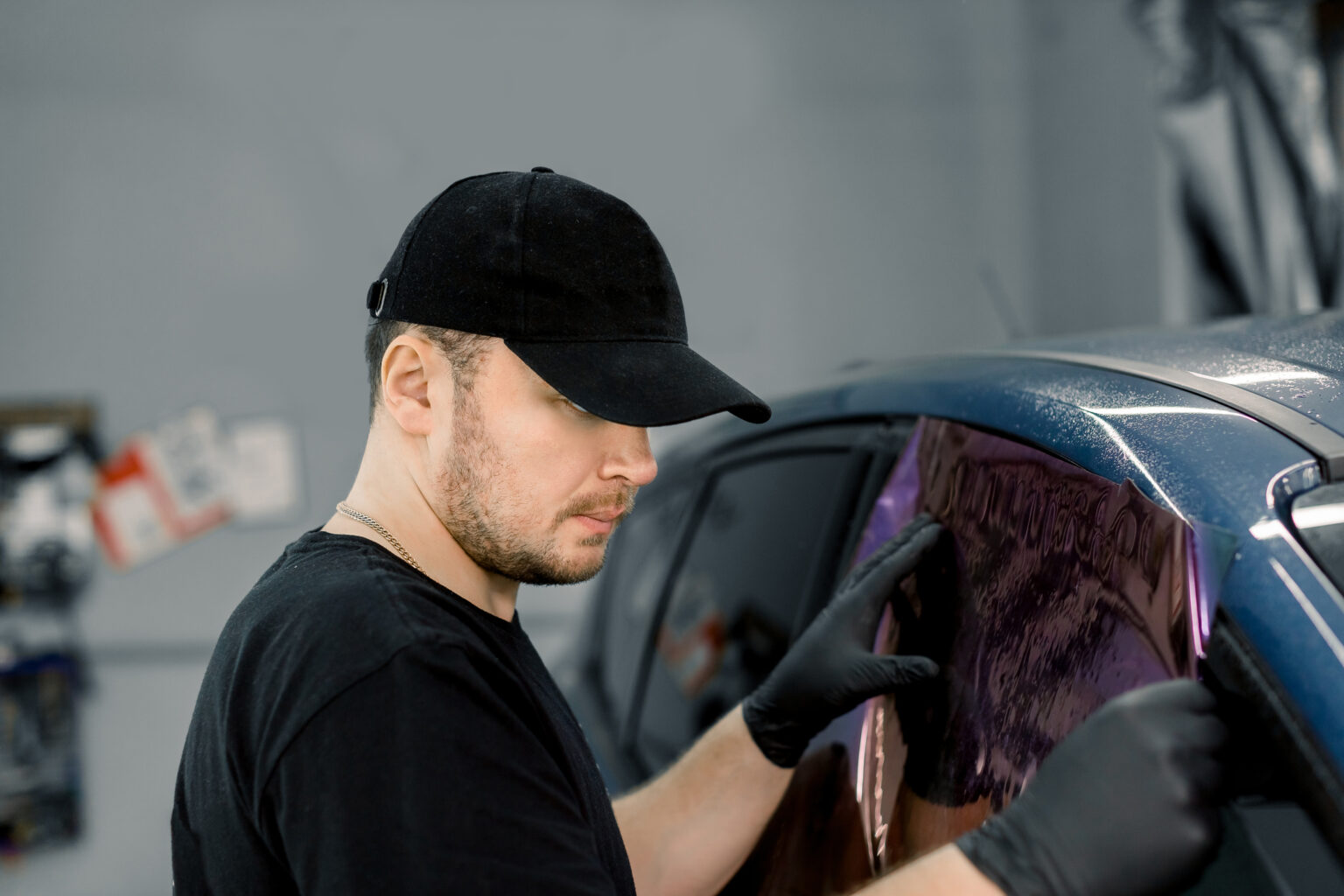
Darkened windows can make a car cooler, more private, and more stylish. They can also get you stopped, fined, or blamed in an accident if the glass is too dark. In California the rules for shaded glass are strict but clear.
The main law has been in place since 1999 and still controls what is allowed today. Front glass has tight limits, the rear has more freedom, and there are extra rules for colour, reflection, and paperwork. Many drivers only hear lines like “thirty percent is fine” or “everyone does it” and then get surprised at a roadside check.
Here you’ll see what is allowed on each window, how darkness levels work in real numbers, how enforcement and fines play out, and how medical exemptions and newer factory glass rules fit into the picture.
Safety And Purpose Behind California’s Tint Rules
California’s main tint law is in Vehicle Code § 26708, which prohibits materials that obstruct or reduce the driver’s clear view through the windshield and front side windows. The goals are simple:
- Make sure drivers can see clearly in day, night, and bad weather.
- Make traffic stops safer by letting officers see into the front of the vehicle.
- Reduce crashes caused by poor visibility from overly dark glass.
At the same time, the state accepts that rear tint helps with heat, UV, and privacy. That is why the rules are strict in front and flexible in back.
Legal Limits By Window And Vehicle Type
These two rules form the heart of the windshield tint law in California and have stayed the same for years.
Windshield Limits
For the windshield on all passenger vehicles:
- Non-reflective tint is allowed only on the top strip, about 4 inches or down to the AS-1 line.
- The rest of the windshield must remain essentially clear.
Dark film across the full windshield is not permitted for normal drivers.
Front Side Window Limits
For the driver and front passenger windows:
- The combined glass and film must allow about 70% or more of visible light through.
- When adding film over factory glass, the film itself must be very light. Many references note film above roughly 88% VLTfor front windows when applied over factory tint, to keep the total above 70%.
Some legal guides explain this as “tint up to around 30 percent on the front windows,” meaning that, in theory, 30% tint still allows 70% light through. In practice, typical 30-VLT film on modern glass often pushes the total VLT below 70%, so light film is the only safe choice for the front.
Rear Side Window And Rear Glass Limits
For the back doors and rear window on sedans, SUVs, and vans:
- There is no specific numeric VLT limitin California’s code for passenger vehicles.
- Very dark film (including limo-style shades) is allowed here.
- Dual side mirrors are required if the rear window is tinted.
This is why you often see California vehicles with light front windows and very dark rear glass.
Reflection And Colour Limits
California also limits how tint looks and behaves, not just how dark it is.
- Side windows may not be more reflective than standard glass. Mirror-like and chrome-style films are out.
- Films that appear red, amber/orange, or blueare prohibited. Front side windows are expected to remain effectively colourless.
Neutral greys and subtle tones are normally fine as long as VLT and reflection rules are met.
Certification, Stickers, And Documentation
To show compliance:
- Tint film sold for use on cars in California must be certifiedby the manufacturer.
- Drivers are expected to have documentation showing what film is installed.
- The vehicle should have a sticker or labelfrom the installer on the window (often near the driver’s side), with the manufacturer’s name and address.
Officers often look for this label during a stop. Having it in place and having paperwork in the glove box makes discussions easier.
Also Read: State Of Texas Tint Laws
Common Tint Percentages And How They Fit California Rules
Many arguments about tint happen because people talk about “twenty percent” or “thirty-five percent” without mentioning the 70% front-window rule.
Meaning Of Tint Percentages
Tint percentages are expressed as Visible Light Transmission (VLT):
- 70% film is light; most light passes through.
- 35% film is noticeably darker.
- 20% film is quite dark and gives strong privacy.
- 5% film is typical limo tint and looks nearly black from outside.
A lower number always means darker glass.
Medium Shades Around 30%
On front side windows:
- California expects the combined glass and film to be around 70% VLT or more.
- Some sources describe this as “up to 30 percent tint” on the front, to reflect that the window should still let about 70% light through.
In real vehicles, factory glass already has some tint. Adding a true 30-VLT film usually drops the total well below the legal threshold, so it is not a safe choice for the front. That same film is widely used on rear windows.
Darker Shades Around 20% And 15%
- On the front doors:A 20% or 15% film is almost guaranteed to read below California’s requirement if measured with a tint meter.
- On rear doors and rear glass:Both levels are common and generally legal on passenger vehicles, as no numeric minimum is set for those windows.
If you want a consistent look, the usual pattern is light in front, darker in back.
Very Dark 5% Limo Tint
- On rear side windows and rear glass:A 5% film is allowed on passenger vehicles, as long as you have dual side mirrors and the film complies with colour and reflection rules.
- On front doors and the main area of the windshield:A 5% shade is far outside what California allows for normal drivers.
Medical Exemptions For Extra Sun Protection
Some people need more protection than standard tint can provide due to medical conditions. California allows exemptions within a clear process.
Typical Qualifying Conditions
Examples include:
- Severe photosensitivity or light sensitivity
- Certain skin conditions such as some forms of lupus or albinism
- Some eye conditions or post-surgical situations where extra sun protection is needed
The need has to be documented by a licensed dermatologist, physician, surgeon, or optometrist.
Steps For A Medical Exemption
Recent guidance outlines this basic process:
- A licensed medical professional evaluates your condition and, if needed, writes a recommendation explaining why extra sun screening is required.
- You complete DMV Form REG 256A(Medical Exemption Application) and submit it to the DMV with the doctor’s recommendation and a copy of your registration.
- Once approved, you receive authorization that you must keep in the vehicle and show if requested by law enforcement.
In some cases, the extra protection must be clear and colourless rather than dark, especially on the windshield.
Related Reading: Understanding The Role Of A Medical Authorization Specialist
Limits With An Exemption
An exemption does not allow any tint in any shade:
- Visibility must remain reasonable from the driver’s seat.
- Banned colours and mirror-like films are still not allowed.
- Many medical setups use something like a mid-range VLT rather than full limo darkness.
An exemption does not automatically let you use any darkness you want. Visibility must still be reasonable, banned colours and mirror-like films stay off the table, and in many cases the extra protection is clear or nearly clear material rather than very dark film. The Department of Motor Vehicles (DMV)approval letter sets the real limits, so that document always has the final word.
Compliance Checklist
This section turns the law into simple actions.
Before Tinting
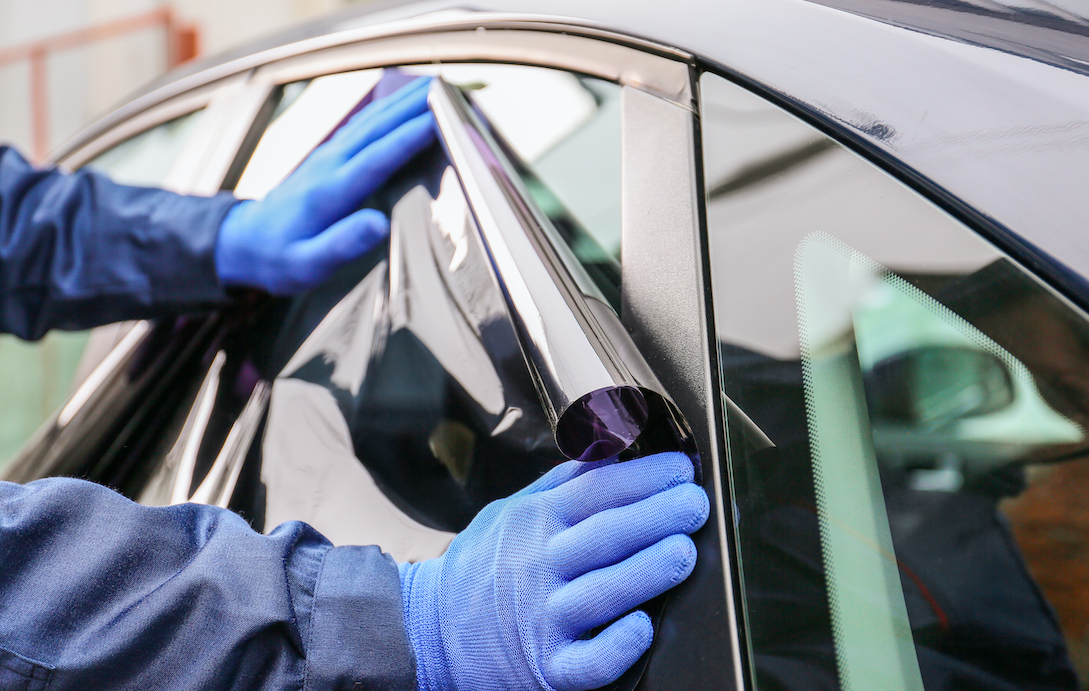
Before you install any film, ask the shop:
- What is the VLTof the film they plan to use on each window?
- Have they measured your existing glassto confirm the front windows will stay near 70% or higher after installation?
- Is the film certified for California, and will they give you documentation?
- Will they apply the required stickerwith manufacturer information on the driver’s side?
- Have they handled medical exemptioninstalls if you need one?
If the shop cannot answer these clearly, consider a different installer.
After Tinting
Once the tint is on:
- Check that the stickeris placed correctly and easy to read.
- Keep the receipt and any certificatein your glove box.
- Make sure you have working side mirrorsif your rear window is dark.
- If you have an exemption, store your approval letter and doctor’s notein the car.
If Tint Is Already Installed
If you bought a car with tint or had it done before learning the rules:
- Visit a reputable tint shop and ask for a VLT readingon the front windows.
- Ask whether these readings comply with current California law.
- Schedule removal or replacement of illegal film and keep proof of the correction.
Enforcement, Tickets, And Accident Liability
How Tint Is Checked
In California, overly dark tint alone can justify a traffic stop. During a stop, officers may visually check the glass and use a tint meteron the window to measure how much visible light passes through. If the front windows measure under the allowed level, you can be cited.
Ticket Types And Costs
First violations are often handled as correctable violationswith a base fine around $25and an order to fix the tint by a deadline. If you ignore the ticket or keep driving with illegal tint:
- A later stop can result in a full traffic infractionwith fines around $200or more once court fees are added.
- Some counties may go higher, especially for repeated violations.
Fixing the problem after the first notice is almost always cheaper than waiting.
Tint And Accident Blame
Excessively dark or illegal tint can also matter after a crash. Injury lawyers often point out that illegal tint may be used as evidence that you could not see properly, especially if there is a record of prior tint tickets that were not corrected.
That can increase your share of liability or weaken your position if you are seeking compensation from someone else.
Also Check Out: Selecting A Personal Injury Lawyer
Local Enforcement And Out-of-State Vehicles
Differences In Local Practice
The law is statewide, but enforcement style can vary:
- Some areas are known for more active tint enforcement.
- Fine structures and common practices can differ slightly by county.
If you are close to the legal edge, it is smart to confirm details with your local DMV or law enforcement office.
Vehicles From Other States
If your car came from a state with looser rules:
- Once it is registered in California, it must meet California standards.
- Even if it remains registered elsewhere, you can be cited while driving here if your tint clearly violates California law.
When crossing state lines, assuming the stricter rule applies is usually safest.
FAQs About California Window Tint Laws
What Is The Darkest Tint Allowed On The Front Windows In California?
The front side windows must allow about 70% or more visible light through the glass and tint together, so only very light film is legal. Medium or dark “smoked” or limo-style shades are almost always too dark when measured.
Is A Shade Around 20% Or 35% Considered Dark?
Yes. A 35% film is clearly smoky and a 20% film is quite dark, so both are darker than California allows on the front windows and are usually used only on rear side windows and the rear glass.
Can Very Dark 5% Limo Tint Be Used In California?
Five-percent limo tint can be used on rear side windows and the rear glass if the vehicle has dual side mirrors and the film meets colour and reflection rules. It is not allowed on the front doors or across the main viewing area of the windshield.
How Much Does A Tint Ticket Usually Cost In California?
A first tint ticket is often a correctable violation with a base fine around 25 dollars plus the cost of fixing the tint. If you ignore it and get stopped again, the next ticket can be treated as an infraction and total costs can reach about 200 dollars or more.
How Do Officers Test Whether My Tint Is Legal?
During a stop, an officer can place a tint meter on your window to measure how much visible light passes through the glass. If the reading for the front windows falls below the legal level, that measurement is usually enough to issue a citation.
Does California Really Require A Tint Sticker And Certificate?
Yes. Tint film used on cars in California must be certified, and a small label from the installer with film and manufacturer details should be on the vehicle, with the receipt or certificate kept in the glove box as extra proof.
How Can I Apply For A Medical Exemption For Darker Tint?
You first need a written recommendation from a licensed doctor or eye care professional, then you submit DMV Form REG 256A with that recommendation and your registration. If the DMV approves it, you receive documentation that must stay in the vehicle, and you are still expected to use neutral, non-reflective material and keep reasonable visibility.
Did California’s Tint Rules Change For 2025?
The basic darkness rules did not change for 2025: a narrow top strip on the windshield, very light front windows, and flexible rear windows. The main update is SB 898, which requires better UV and infrared blocking from factory glass on vehicles sold in California but does not change the limits on aftermarket tint darkness.
Final Summary
California’s tint system is strict but predictable. The state wants clear visibility through the windshield and front windows, and that is why those surfaces must stay very light and colourless. Behind the driver, the rules are more relaxed, so you can run darker tint for privacy and heat control as long as your mirrors and film type follow the law.
If you plan to add tint, checking the VLT numbers before the film goes on is key. If the tint is already on your car, a quick meter reading on the front windows can tell you whether you are safe or at risk of a fix-it ticket. For medical needs, going through the formal exemption process with proper documentation lets you protect your health without guessing.
Handled with good information and a careful installer, tint can make your car more comfortable and still keep you completely within California law.
Jump to
Safety And Purpose Behind California’s Tint Rules
Legal Limits By Window And Vehicle Type
Common Tint Percentages And How They Fit California Rules
Medical Exemptions For Extra Sun Protection
Compliance Checklist
Enforcement, Tickets, And Accident Liability
Local Enforcement And Out-of-State Vehicles
FAQs About California Window Tint Laws
Final Summary

K. N.
Author
Latest Articles
Popular Articles