Why So Many California Truck Accident Cases Get Thrown Out And How Victims Can Avoid It
Don’t let insurers deny your real claim. Find out how Bakersfield truck accident lawyers keep commercial insurers in line and pursue full compensation.
Author:K. N.Aug 10, 2026406 Shares16.2K Views
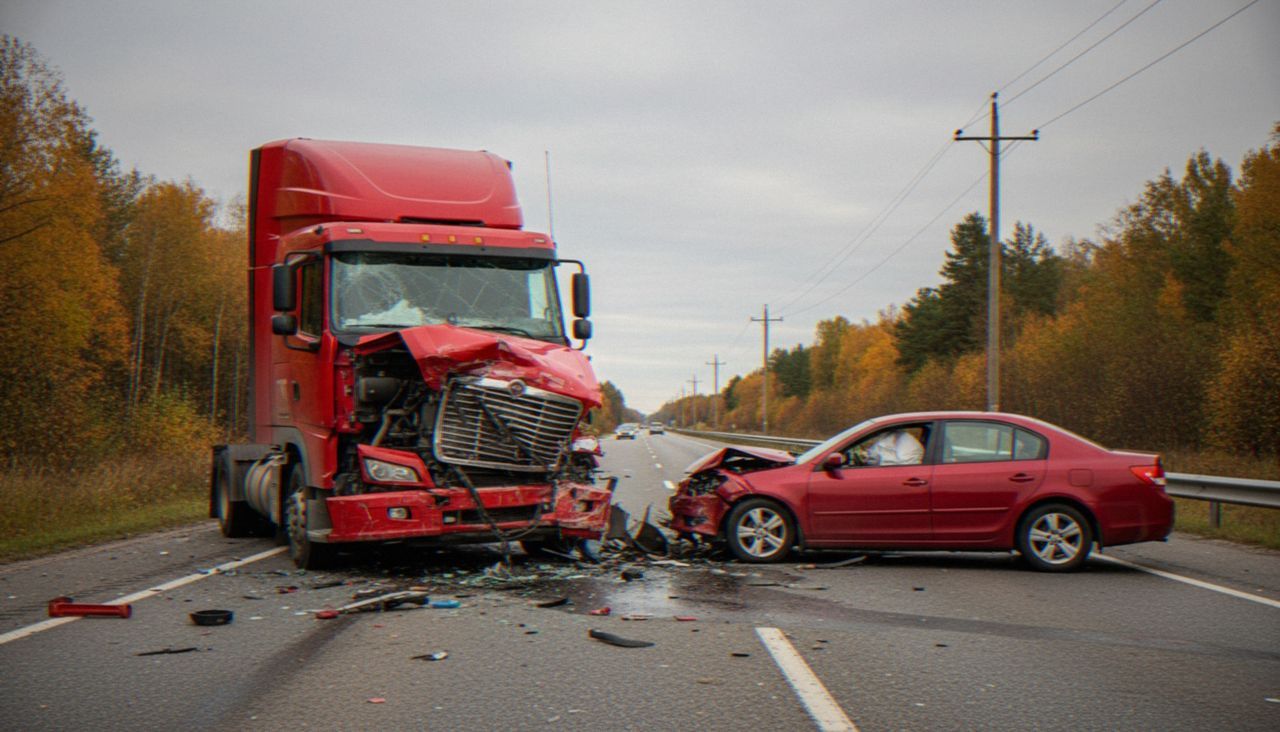
Imagine experiencing a devastating crash on Highway 99 in Bakersfield, the driver was clearly negligent, the injuries are severe, and liability seems obvious. Yet months later, the claim is gutted, not because the crash wasn't the truck driver's fault, but because of preventable mistakes made after the accident
This happens more often than most people realize; victims believe they have an open-and-shut case against a trucking company, and that insurers are there to make it right. While, in reality, trucking companies and their insurers have entire teams whose job is to find cracks in a claim before it ever reaches a courtroom, missed deadlines, lost evidence, or a fault argument that goes unanswered.
With Bakersfield sitting along major trucking routes like Highway 99, the Grapevine, and the 5, these cases are more common than you would expect. In this article, experienced Bakersfield truck accident attorneys, also known as ‘abogados de accidentes de camión en Bakersfield’ break down five of the most common reasons truck accident claims fall apart in California, and what victims can do to protect their case from the very first day.
Accepting The First Settlement Offer
Trucking insurers often move fast after a crash, sometimes offering a settlement within days or within a week. On the surface, a quick payout can feel like relief after a stressful accident, but it's a strategic move to lock in a low number before the victim, or their doctors, fully understand the extent of the injury.
Some injuries, especially soft tissue damage, spinal trauma, or traumatic brain injuries, don't fully reveal themselves until weeks or months later. Once a settlement is signed, it almost always closes the door on any further compensation, even if new symptoms or complications surface afterward.
Insurers are aware of this timeline better than most victims are, which is exactly why early offers tend to arrive before treatment is complete. A settlement should reflect the full scope of medical care, lost income, and long-term impact, not just the damage that's visible in the first few weeks after impact.
Missing The Strict Filing Deadlines
Most people assume that if they have a strong case, time isn't really a factor. Unfortunately, that's rarely true. In California, victims of truck accidents only have two years from the date of the crash to file a personal injury lawsuit. Two years might sound like plenty of time, but it runs out faster than most people expect once you factor in medical treatment, insurance back-and-forth, and working to get life back on track after a serious injury.
In some cases, there's an even shorter window that can catch victims off guard: if a government entity is involved in any way, such as a poorly maintained public road or a municipal vehicle, the deadline to file a claim is reduced to just six months. Miss it, and the right to compensation is gone, regardless of how strong the evidence is.
Trucking companies and their insurers are very familiar with these deadlines. In some cases, they might delay communication, request unnecessary documentation, or drag out settlement talks, all while the clock keeps ticking. Understanding these timelines from day one isn't just a legal formality. It's often the single factor that determines whether a victim ever gets the chance to be heard.
Failing To Preserve Critical Evidence Before It Disappears
Truck accident cases often rely heavily on evidence that some people never think about. Commercial trucks are equipped with electronic logging devices, GPS data, and onboard "black box" systems that record speed, braking, and hours of service in the moments leading up to a crash.
Many trucking companies have also started installing dash cams and inward-facing cabin cameras, which can capture everything from the moments before impact to what the driver was doing at the time. These pieces can be the clearest, most objective proof of what actually happened. The problem is that trucking companies aren't required to hold onto it forever, and in some cases, it can be overwritten or deleted within days or weeks.
Maintenance logs, driver qualification files, and dispatch records can disappear just as quickly if no one takes steps to preserve them. Once that evidence is gone, it's gone. No amount of witness testimony or accident reconstruction can fully replace it.
This is why the earliest days after a crash matter so much. A formal request to preserve evidence, sometimes called a "spoliation letter," needs to go out before that evidence is lost. Victims who wait weeks or months to get legal help often find that the strongest proof of what really happened has already vanished.
Misidentifying Who Was Responsible
In a typical car accident, figuring out which driver is at fault is often straightforward. Truck accidents, however, are rarely that simple. A single crash can involve the driver, the trucking company that employed them, a separate company that owns the trailer, a freight broker who arranged the load, a cargo loading company, or even the manufacturer of a defective truck part. Each of these parties may carry separate insurance policies, and each may try to point the finger at the other parties.
When a claim is filed against the wrong party, or when one of the responsible parties is left out entirely, the case can fall apart quickly or fail altogether. Insurers are quick to argue that liability belongs somewhere else, and without a thorough investigation into every party connected to the truck, the load, and the company behind it, victims risk pursuing a claim that was never aimed at the right target from the start.
This is exactly where experienced Bakersfield truck accident lawyers, or “abogados de accidentes de camion en Bakersfield,” make a huge difference. Rather than accepting the first explanation an insurer offers, they dig into lease agreements, dispatch records, and corporate structures to map out every party with a hand in the crash. That kind of investigation takes time, industry knowledge, and a willingness to keep going until the necessary evidence is found.
Weak Documentation Of Injuries And Damages
Insurance companies often look for ways to deflect responsibility, so they look for things like delayed medical care. If a victim waits days to see a doctor or misses follow-up appointments, insurers may argue that the injury wasn't serious or wasn't even caused by the crash at all.
Recorded statements make this worse. Adjusters sometimes reach out within days of an accident, asking friendly-sounding questions designed to get victims to downplay their pain or speculate about injuries before the full picture is even known. Those statements often end up being used against the victim.
Consistent medical treatment, detailed documentation (like photos of injuries and journal entries about pain and other symptoms), and avoiding recorded statements before speaking with an attorney all protect the credibility of a truck accident claim. Without that foundation, even a legitimate, serious injury can be made to look questionable on paper, giving insurers an opening to devalue or deny it.
Comparative Fault Arguments That Erode The Claim's Value
California follows a rule called pure comparative negligence. In plain terms, this means a victim can still recover compensation even if they share some blame for the accident, but that compensation shrinks based on their percentage of fault. If a victim is found 20% responsible, their payout drops by that same 20%.
Trucking company insurers know this rule well, and they use it aggressively. Following too closely, changing lanes, or driving slightly over the speed limit can all become talking points meant to shift blame onto the victim and shrink the payout, even in cases where the truck driver was clearly negligent.
This is why evidence matters so much. Dash cam footage, witness statements, and accident reconstruction can push back against these arguments and keep fault where it belongs, protecting the full value of the claim instead of letting it quietly erode.
Protecting Your Truck Accident Claim In Bakersfield
Most dismissed or devalued truck accident cases don't fail because the victim didn't have a real case; they fail because of missing deadlines, losing evidence, and weak documentation. Victims have more power to protect their claim than they realize, starting from the moment the truck crashes into them.
Managing a truck accident claim is often not a simple process, but with help victims can address issues early before the trucking company’s insurance team has time to build a defense. The serious injuries inflicted in truck collisions often limit what victims can do alone, and asking for additional help is not a sign of weakness but a sign that you are committed to protecting your right to compensation and your future.
A free consultation with a Bakersfield truck accident lawyer, like the experienced team at Abogados Fuertes, can help victims understand whether their claim is at risk, without any pressure or obligation. Early advice can make the difference between a case that survives and one that doesn't.
Jump to
Accepting The First Settlement Offer
Missing The Strict Filing Deadlines
Failing To Preserve Critical Evidence Before It Disappears
Misidentifying Who Was Responsible
Weak Documentation Of Injuries And Damages
Comparative Fault Arguments That Erode The Claim's Value
Protecting Your Truck Accident Claim In Bakersfield

K. N.
Author
Latest Articles
Popular Articles