What To Know About Insurance After A Truck Accident
Commercial truck crashes can involve several policies, businesses, and categories of documentation, making early organization especially important.
Author:K. N.Oct 18, 2026
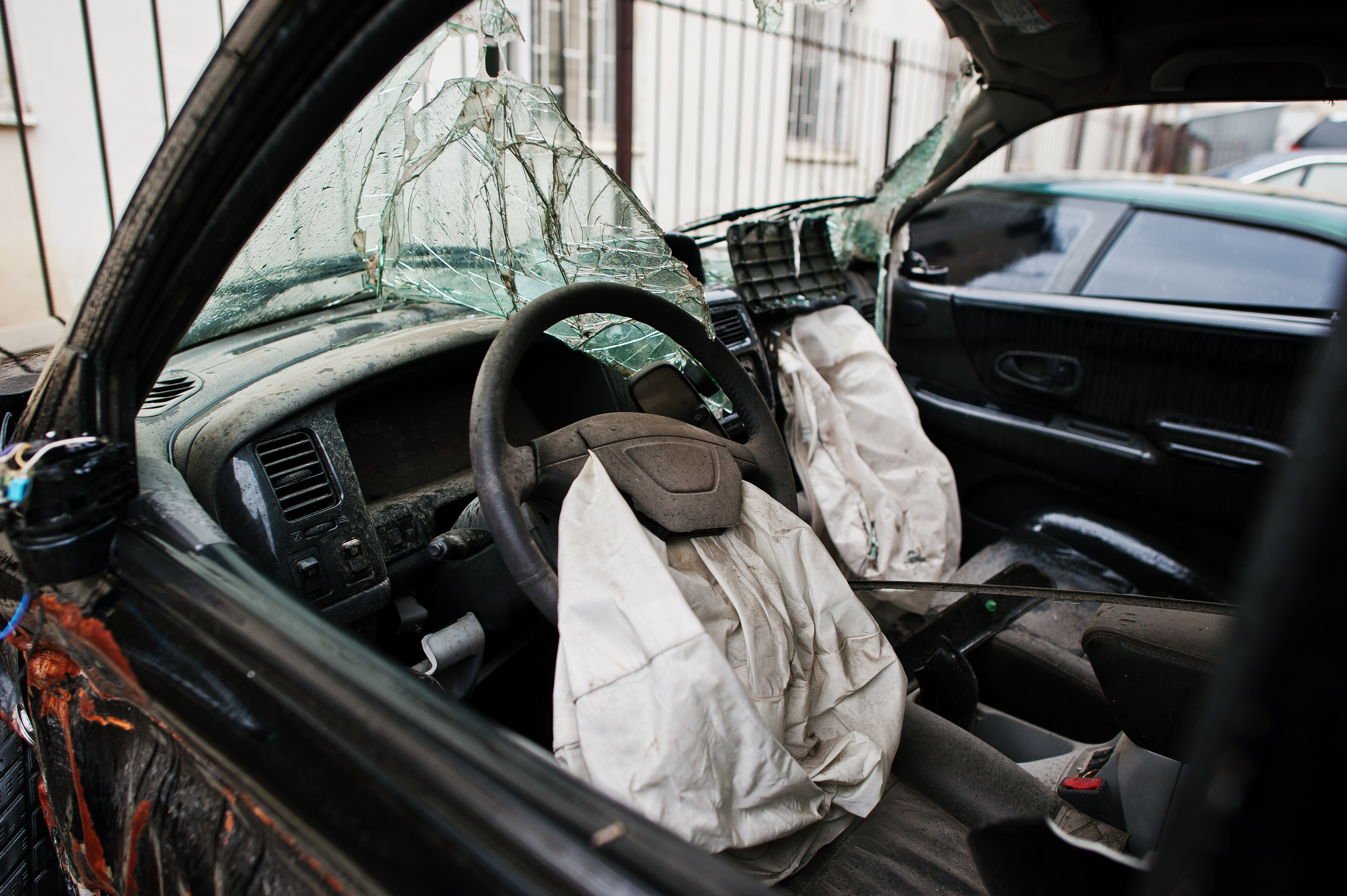
After a truck accident, an injured person may quickly receive calls, forms, and requests from multiple companies. Unlike many two-car crashes, a commercial collision may involve the truck driver, motor carrier, vehicle owner, maintenance provider, cargo company, or another business, depending on the circumstances.
Someone with questions about coverage and responsibility may consulttruck accident lawyers in Texaswhile reviewing available options.
The Texas Department of Transportationrecorded 426 large-truck fatalities in 2020, 532 in 2021, and 517 in 2022. The report defines these crashes as involving a semi-trailer or truck-tractor.
What Insurance Covers After a Truck Accident
Commercial trucks generally operate under commercial automobile policies rather than ordinary personal auto coverage. Depending on the arrangement, separate policies could cover the tractor, trailer, cargo, or operations of different businesses.
Coverage does not automatically establish responsibility. An insurer will typically investigate how the collision happened, which people or businesses were involved, and whether its policy applies. Policy limits, exclusions, contracts, and the relationship between the driver and carrier may all affect the review.
Consider a driver whose vehicle is struck by a tractor-trailer making a delivery. The truck could be driven by an employee, leased from another company, and carrying freight for a separate business. Identifying the relevant parties and insurance information may therefore take more work thansimply exchanging details with one driver.
How Commercial Truck Insurance Claims Work in Texas
An injured person may notify applicable insurers, provide requested documentation, and receive questions about the crash and claimed losses. Responses should be accurate, but the claimant should avoid guessing about speed, distance, responsibility, or medical conditions that remain under evaluation.
Texas also has claim-handling requirements. The Texas Department of Insuranceexplains that an insurer generally must acknowledge a policyholder’s claim within 15 days and state whether it needs additional information. If the insurer rejects the claim, “The notice must give the reasons for the denial.” The requirements provide a framework for communication, investigation, and written decisions, subject to the policy and applicable law.
What to Document After a Truck Accident
Immediate health and safety needs come first. When circumstances allow, useful information may include photographs of the vehicles and roadway, names and insurance details, witness contact information, and the responding agency’s report number.
Medical records can document the timing of symptoms, examinations, treatment, and follow-up care. A claimant may also retain repair estimates, towing invoices, rental-car receipts, employment records, insurer correspondence, and a simple timeline of calls and appointments.
Organized records can make later requests easier to answer. Law News Network’s discussion of documentation and claims processingalso illustrates why complete records can matter when a claim involves several organizations or disputed information.
What Happens When Available Insurance May Be Insufficient?
Uninsured and underinsured motorist coverage may become relevant when an at-fault driver has no insurance or insufficient coverage, subject to the claimant’s policy and Texas requirements. Other first-party coverage may also apply in some circumstances.
For example, a driver may learn that one involved vehicle has limited coverage compared with the documented losses. That does not establish what another policy must pay, but it may prompt a review of the driver’s own coverage and any additional commercial policies connected to the crash.
When to Review a Truck Accident Insurance Claim Carefully
A claim may require closer review when injuries are serious, several vehicles or businesses are involved, accounts conflict, or an insurer requests a recorded statement or release. A person should understand what information is being requested and what a proposed agreement covers before signing.
Evidence can also resolve basic disputes. When two drivers describe the collision differently, photographs, witness accounts, the crash report, vehicle data, and medical documentation may help insurers evaluate what occurred.
Frequently Asked Questions About Truck Accident Insurance
What insurance covers a truck accident in Texas?
Coverage depends on the applicable commercial and personal policies, the parties involved, and the circumstances of the collision.
What should someone gather after a truck accident?
When safely possible, they should retain photographs, insurance and vehicle details, witness information, the crash report number, medical records, receipts, and correspondence.
Can UM/UIM coverage apply after a truck accident?
It may apply when an at-fault driver has no insurance or insufficient coverage, subject to the injured person’s policy and Texas requirements.
What if an insurer denies the claim?
The claimant can review the written reason, policy language, and supporting documentation. Additional professional guidance may be appropriate when coverage or responsibility remains disputed.
This article provides general information and does not constitute legal or insurance advice.
Jump to
What Insurance Covers After a Truck Accident
How Commercial Truck Insurance Claims Work in Texas
What to Document After a Truck Accident
What Happens When Available Insurance May Be Insufficient?
When to Review a Truck Accident Insurance Claim Carefully
Frequently Asked Questions About Truck Accident Insurance

K. N.
Author
Latest Articles
Popular Articles