Understanding The Legal Process After A Personal Injury
Knowing the usual stages of an injury claim can help a person organize records, respond to requests, and make informed decisions.
Author:K. N.Oct 19, 2026
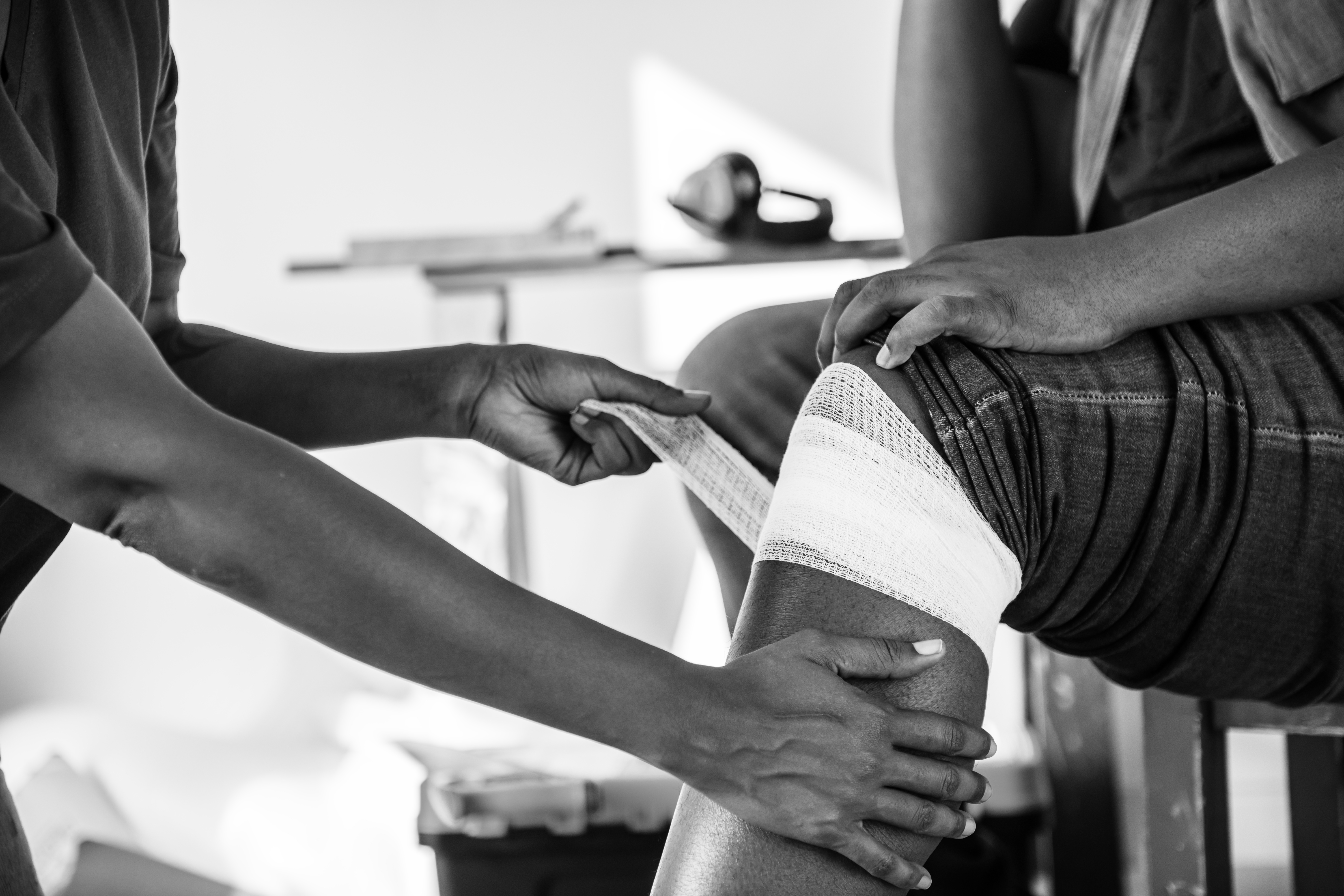
An injury can create several problems at once. Along with pain and medical appointments, an injured person may face missed work, unexpected bills, insurance paperwork, and questions about legal responsibility.
Someone seeking local guidance might speak with an Overland Park personal injury lawyerto learn how the law may apply. A consultation does not determine the outcome or require a lawsuit. It can clarify possible options, responsibilities, and deadlines.
Although every matter differs, the process commonly involves medical care, evidence gathering, an insurance claim, settlement discussions, and, in some cases, litigation.
What To Do After A Personal Injury
Immediate health and safety needs come first. The injured person should seek appropriate medical attention and follow the treatment plan provided by qualified professionals. Medical records can document symptoms, diagnoses, treatment, and related costs.
The person should also record what happened while the details remain fresh. This may involve reporting a collision, workplace event, or dangerous property condition to the appropriate party. Reports should remain accurate and factual.
Documenting Evidence For A Personal Injury Claim
Evidence may help show what happened, who may have been responsible, and what losses followed. Relevant materials can include photographs, accident reports, witness information, medical records, bills, employment records, receipts, and correspondence.
Consider a hypothetical driver who initially reports minor soreness after a collision. Days later, an examination identifies an injury requiring treatment, and the driver misses work. Dated photographs, medical records, wage information, and a timeline may provide a clearer account than memory alone.
How The Personal Injury Insurance Claims Process Works
An insurer may request an account of the incident, medical documentation, repair estimates, or other records. The injured person should read requests carefully, provide accurate information, and retain copies.
Insurers evaluate claims under the policy and available facts. Questions may arise about coverage, responsibility, causation, or documented losses. Legal counsel may communicate with an insurer and explain proposed forms, recorded statements, or offers.
Personal Injury Settlement Negotiations
Settlement discussions may begin after the parties have enough information to evaluate the claim. They can involve a demand, an insurer’s response, counteroffers, and review of evidence supporting medical expenses, lost income, or other legally recoverable losses.
A settlement may resolve the matter without trial. Because accepting one commonly ends the covered claim, the injured person should understand its terms before signing.
When A Personal Injury Case Goes To Court
If the parties cannot resolve a dispute, an injured person may file a civil lawsuit when a valid legal basis exists. Personal injury claims are often among legal matters that may be handled through litigation.
The process may include pleadings stating each side’s position, discovery for exchanging information, depositions, motions, and trial preparation. Some lawsuits settle before trial, while others proceed to a judge or jury. Timing depends on the facts, contested issues, and court procedures.
Why Personal Injury Claim Deadlines Matter
Legal deadlines can affect whether a claim may proceed. Kansas Statutes § 60-513sets a two-year limitation for specified actions, including “an action for injury to the rights of another, not arising on contract.”
This is not a universal deadline. The statute contains rules about when certain claims accrue, and other circumstances may involve different requirements or exceptions. The correct deadline depends on the claim, facts, parties, and governing law.
Keeping The Personal Injury Process Manageable
An organized file can make each stage easier to follow. Medical documents, photographs, reports, receipts, correspondence, and a timeline give everyone involved a common factual record. That foundation can support informed decisions as the matter develops.
Personal Injury FAQ
What Should Someone Do Immediately After A Personal Injury?
They should address safety concerns, seek appropriate medical care, report the incident when necessary, and preserve relevant information.
What Evidence May Be Useful In An Injury Claim?
Medical records, photographs, reports, witness details, bills, wage records, receipts, and correspondence may be relevant.
Does Every Personal Injury Claim Go To Court?
No. Some matters end after an insurer’s evaluation or settlement negotiations, while unresolved disputes may proceed to litigation.
What Happens During Settlement Negotiations?
The parties review the facts, documentation, claimed losses, and disputed issues while exchanging proposals. Any agreement should be reviewed carefully.
How Long Does Someone Have To File A Personal Injury Claim?
Deadlines vary by jurisdiction, claim, and circumstances. Kansas law contains specific limitation periods and accrual rules, so the applicable deadline should be checked promptly.
Jump to
What To Do After A Personal Injury
Documenting Evidence For A Personal Injury Claim
How The Personal Injury Insurance Claims Process Works
Personal Injury Settlement Negotiations
When A Personal Injury Case Goes To Court
Why Personal Injury Claim Deadlines Matter
Keeping The Personal Injury Process Manageable
Personal Injury FAQ

K. N.
Author
Latest Articles
Popular Articles