The Viral Injury Epidemic: How Social Media Is Fuelling ER Visits, Mental Health Crises, And New Waves Of Litigation
Social media is no longer just a backdrop to teenage life. It has become one of the most powerful – and dangerous – forces shaping how young people think, feel, and behave.
Author:K. N.Nov 26, 2025302 Shares60.3K Views
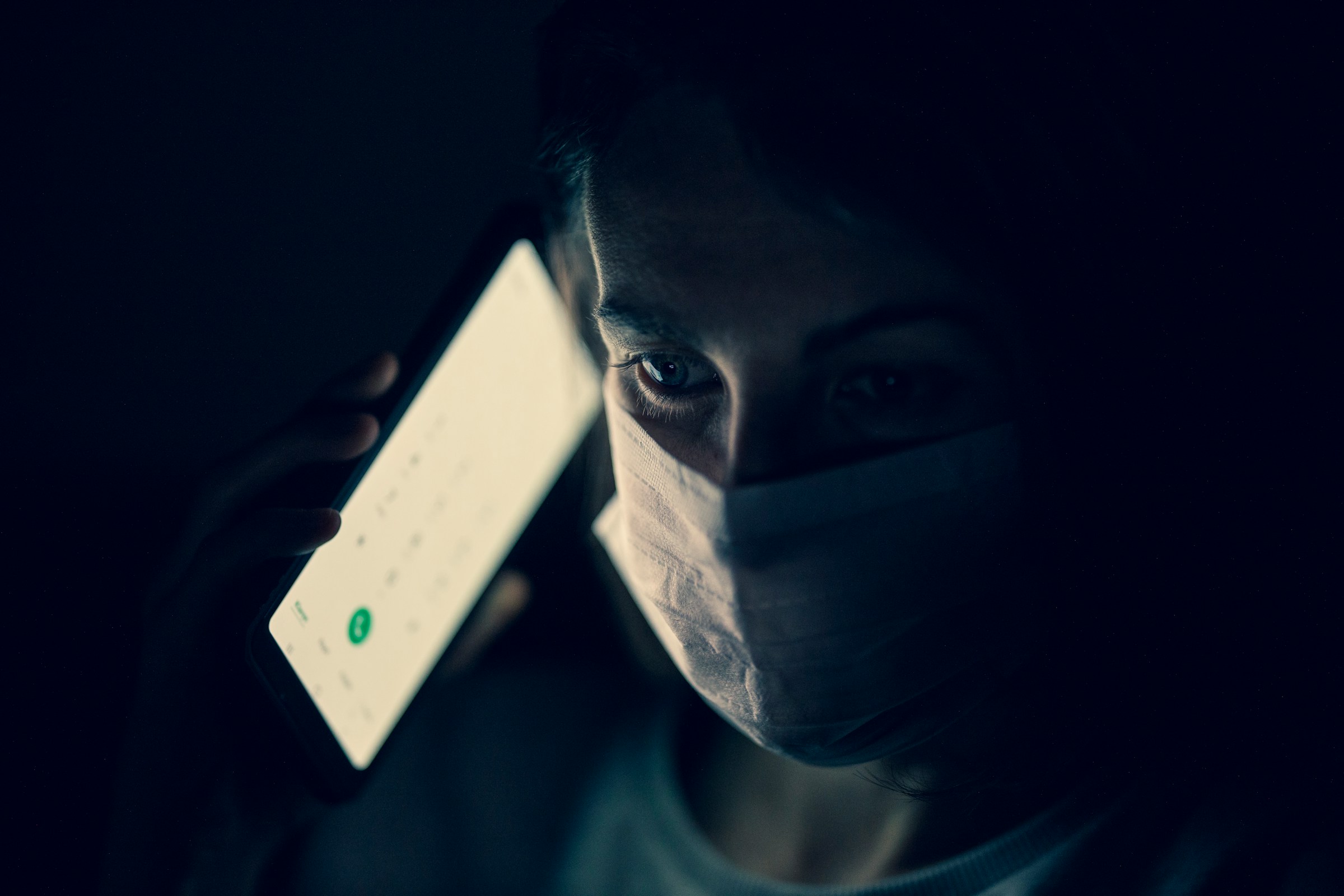
Social media is no longer just a backdrop to teenage life. It has become one of the most powerful – and dangerous – forces shaping how young people think, feel, and behave.
According to The Viral Injury Epidemic white paper from Bader Law Offices, U.S. teens now spend nearly five hours a day on social platforms, with 96% using social media daily and almost half saying they feel the need to be “constantly online.” This isn’t just a lifestyle trend; it correlates with rising rates of anxiety, body dysmorphia, self-harm, suicide attempts, emergency room visits, and a growing wave of litigation.
The white paper examines how algorithm-driven platforms are contributing to a new category of “viral injuries” – both physical and psychological – and what that means for parents, schools, insurers, and the courts.
A Generation Hooked On Algorithms
Americans now spend over seven hours a day on screens, but teenagers are at the sharpest edge of the problem. The research notes that:
- 95% of teens own a smartphone
- 94% use social media daily
- 70% say they’re addicted
- 60% report they “cannot live without” access to platforms
This immersion has measurable mental health consequences. According to the white paper, 58% of adolescents report anxiety, depression, or stress directly related to social media use, and 45% of young adults say prolonged use leaves them feeling more isolated and emotionally disconnected.
Addiction has a gender skew: 54% of teen girls report addictive patterns, compared with 38% of teen boys, and around 40% of young adults (18–22) display signs of social media dependency.
Filters and appearance-driven content amplify the damage. Half of girls say they don’t look good without editing their features, and 77% admit to trying to hide or change part of their body using filters. The paper notes the rise of “Snapchat Dysmorphia,” with cosmetic surgeons increasingly reporting patients seeking procedures to resemble their filtered selfies.
Among teens who use social media the most, 41% rate their mental health as poor or very poor; 10% report self-harming or expressing suicidal intent over a 12-month period between 2024 and 2025.
Viral Challenges: From Pranks To Life-Threatening Harm
The white paper draws a clear line between compulsive online use and real-world injury. Roughly one in four teens has taken part in a viral challenge, with 13–17-year-olds both the most active users and the most susceptible to peer pressure.
The content of these challenges has shifted from harmless stunts to activities involving:
- Toxic ingestion
- Asphyxiation
- High-impact falls
- Fire
- Reckless driving
The paper details a series of widely documented challenges, including:
- The Milk Crate Challenge, causing falls and orthopedic injuries serious enough to prompt public warnings from health departments and surgeons.
- The Blackout Challenge, involving deliberate oxygen deprivation; at least 15 children under 15 in the U.S. have died attempting it.
- The Benadryl Challenge, which encourages large doses of allergy medication to induce hallucinations, leading to overdoses and child deaths.
- The Tide Pod, Cinnamon, Nutmeg, and Hot Water Challenges, all of which have been linked to poisonings, burns, and at least one child fatality.
- Car Surfing, Skull Breaker, Fire, and Paqui One-Chip Challenges, associated with fractures, traumatic brain injuries, severe burns, and ER surges.
- Shock Collar donation streams, where teens wear dog collars and allow viewers to trigger electric shocks for money – normalising self-harm for an online audience.
The paper notes that 67% of teenagers report seeing at least one harmful or dangerous challenge online in the past year. Meanwhile, 70% of parents say they are unaware of the specific challenges their children encounter, even as 60% of school nurses report treating at least one student injured by a social media stunt in the 2024–2025 school year.
DIY Beauty, “Hardmaxxing,” And Algorithmic Harm
The study also highlights a growing cluster of appearance-focused trends that blur the line between self-optimization and self-harm. One extreme example is “bonesmashing”, a TikTok trend encouraging users to hit their own facial bones to achieve a more “chiseled” look. Related content under the broader “hardmaxxing” label promotes:
- Plastic surgery
- Harsh chemical treatments
- Limb-lengthening procedures
- Extreme workouts
- “Starvemaxxing” (intentional starvation)
- Anabolic steroid misuse
Even “softmaxxing” and more benign “looksmaxxing” content can act as gateway material. Algorithms routinely funnel users from innocuous grooming tips into more extreme content streams.
The role of recommendations is central. The paper cites a 2022 report indicating TikTok pushed eating-disorder content to 13-year-olds within minutes of account creation, with a later study showing the platform’s algorithm delivered over 4,000% more toxic eating-disorder content to users already identified as vulnerable. While TikTok has blocked direct searches for hashtags like #skinnytok and redirected users to mental-health resources, creators frequently evade these measures through coded language and alternative tags.
Medical And Financial Fallout: When “Going Viral” Ends In The ER
Clinically, the costs are severe. CDC-linked data cited in the white paper suggest:
- The average ER visit driven by a viral stunt costs just over $2,500
- Serious cases, such as burns, poisoning, fractures, or neurological complications, can exceed $100,000
ER facility fees alone can reach around $1,784, before physician services and imaging. The paper notes that between Q1 2024 and Q1 2025, ER visits for social-media-related incidents among 13–17-year-olds rose 18%, with most linked to toxic ingestion and high-impact falls or collisions.
Follow-on care is often far more expensive:
- Orthopedic surgeries (e.g., ACL reconstruction) can run $15,000–$50,000, not including rehab
- Physical therapy can total $10,000–$25,000+ for complex injuries
- Severe burns may lead to lifetime costs of $1 million or more, including reconstructive surgery and long-term care
- Psychiatric treatment for self-harm, eating disorders, or addiction can reach six figures when inpatient programs, outpatient therapy, and medication are combined
The paper underscores that total costs for some viral challenge injuries can exceed $250,000–$500,000, particularly where surgery, burn care, and psychiatric support intersect. Because many insurance policies exclude self-inflicted or hazardous acts, families may be left to shoulder these expenses alone.
Liability, Section 230, And A Moving Target For Courts
From a legal perspective, the white paper notes that viral injuries raise complex questions about:
- Influencer liability (for encouraging dangerous behavior)
- Venue and event liability (for unsafe environments or poor crowd control)
- Sponsor and brand exposure (when associated with risky stunts)
- Parental liability in certain states (e.g., Georgia precedent for parental responsibility where they know of harmful behavior and fail to intervene)
- Platform responsibility, especially when algorithms recommend harmful content
Examples cited include:
- The Chromebook Challenge, which caused fires, evacuations, and at least one arson charge against a 15-year-old student.
- Wrongful-death litigation over the Blackout Challenge, where multiple families allege that TikTok’s algorithm helped push self-suffocation content to their children.
- The NY subway-surfing lawsuit, which alleged a failure to prevent or adequately warn against a deadly trend.
Most such claims collide with Section 230 of the Communications Decency Act, which generally shields platforms from liability for user-generated content. However, the paper points to growing pressure to narrow this protection, especially where design choices – recommendation systems, reward mechanics, lack of effective age-gating – arguably contribute directly to harm.
A major test case is the Social Media MDL-3047 Addiction Lawsuit, consolidating over 2,000 pending cases. Plaintiffs argue that platforms deliberately design features to promote compulsive use, contributing to eating disorders, self-harm, and suicidal behavior. The outcome is likely to influence how courts treat both addiction and challenge-related injury claims.
Where The Law Goes Next
The white paper concludes that today’s legal framework was built for a very different internet – one without always-on smartphones, frictionless virality, or AI-driven feeds. Yet between 2018 and 2022 alone, teen suicide attempts rose by 29%, with social media cited as a key contributing factor. Viral challenges continue to send thousands to emergency rooms every year.
The authors argue that real protection will require:
- Enforceable age restrictions and meaningful parental controls
- Algorithmic transparency and limits on harmful recommendation patterns
- Design changes that de-prioritise shock content and self-harm
- Clarified liability standards that reflect the realities of modern platforms
As litigation, legislation, and public pressure continue to converge, the question is no longer whether social media plays a role in teen harm, but how the law will respond – and how quickly.
Further analysis, case discussion, and the full dataset can be found via Bader Law Officesand the firm’s white paper on the viral injury epidemic.

K. N.
Author
Latest Articles
Popular Articles