Legal Identity And Documentation: The Hidden Barrier For Immigrants In The U.S.
For millions of immigrants living in the United States, building a new life often comes with visible challenges: finding stable work, adapting to a new culture, and navigating immigration systems.
Author:K. N.Jun 30, 20269.1K Shares154.3K Views
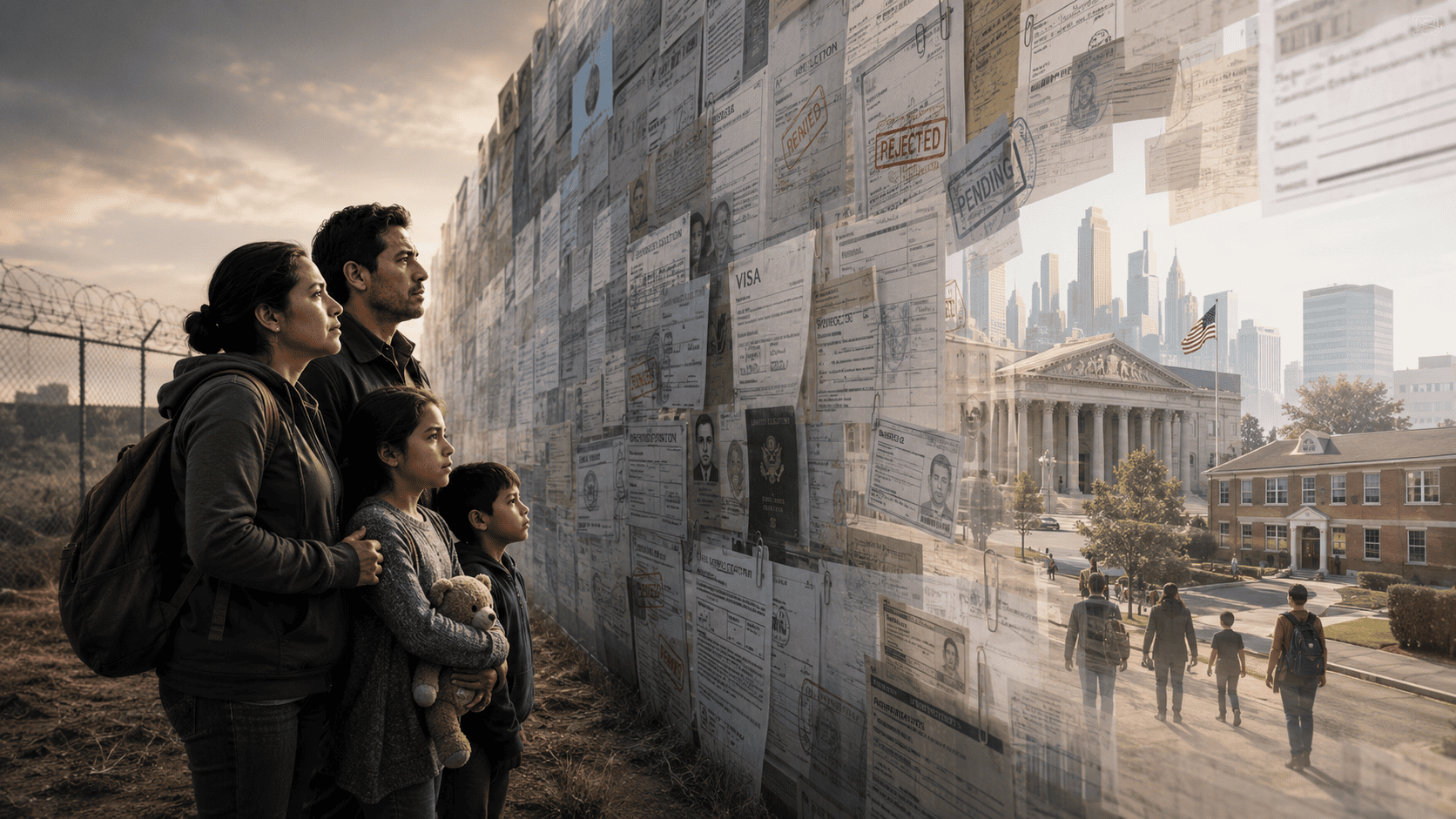
For millions of immigrants living in the United States, building a new life often comes with visible challenges: finding stable work, adapting to a new culture, and navigating immigration systems. However, beneath these well-known obstacles lies a less visible but equally critical issue: legal identity and documentation.
In 2026, as global mobility continues to rise, access to valid legal documents remains a hidden barrier that affects immigrants’ ability to fully participate in society. From opening a bank account to enrolling in education or managing legal affairs across borders, documentation is not just paperwork, it is the foundation of legal existence.
The Importance Of Legal Identity In Everyday Life
Legal identity is more than a name on a document. It represents recognition by institutions, governments, and systems that enable individuals to function within a society.
Without proper documentation, immigrants may face limitations in:
- Accessing financial services
- Securing employment
- Enrolling in educational programs
- Receiving healthcare
- Participating in legal or administrative processes
Even when individuals possess valid documents from their home countries, these are not always recognized in the United States without additional verification.
When Documents Are Not Enough
A common misconception is that having official documents, such as birth certificates, academic records, or identification cards, is sufficient. In reality, the acceptance of these documents depends on how they are prepared, validated, and presented.
Many immigrants encounter situations where their documents are rejected because:
- They are not translated into English
- They lack proper certification
- They have not been authenticated for international use
- They do not meet specific institutional requirements
This creates a frustrating cycle where individuals possess legitimate documentation but are unable to use it effectively.
Cross-Border Challenges And Legal Complexity
For immigrants who maintain ties with their home countries, the complexity increases. Managing legal affairs across borders often requires documents to be recognized in more than one jurisdiction.
Common cross-border scenarios include:
- Handling property or financial matters abroad
- Managing family-related legal processes
- Signing contracts or agreements in another country
- Accessing official records from abroad
In these cases, the lack of properly validated documentation can delay or completely block important procedures.
The Role Of Authentication And Verification
To ensure that documents are accepted across jurisdictions, they must often go through additional steps such as:
- Certification
- Notarization
- Apostille or legalization
- Official translation
These processes are not always well understood, and missing even one requirement can result in rejection.
This is where professional notary services for immigrantsplay a critical role. By ensuring that documents meet legal standards and are properly authenticated, these services help bridge the gap between different legal systems.
A Barrier That Affects Opportunity
The consequences of documentation issues go beyond administrative inconvenience. They directly impact opportunities and quality of life.
For example:
- A qualified professional may be unable to validate their credentials and access better job opportunities
- A family may face delays in resolving inheritance matters
- Individuals may struggle to prove identity in critical situations
- Financial transactions may be blocked due to lack of proper documentation
These challenges highlight how documentation is not merely a technical requirement, it is a gateway to social and economic participation.
Why The Problem Persists
Despite technological advancements, legal systems remain cautious when it comes to document validation. This is largely due to concerns around fraud, identity verification, and jurisdictional differences.
As a result:
- Digital copies are often insufficient
- In-person validation or certified processes are still required
- Standards vary between institutions and countries
While digital solutions are evolving, the legal framework continues to prioritize security and reliability over speed.
Moving Toward Greater Accessibility
Addressing this hidden barrier requires a combination of awareness, access to reliable services, and better information for immigrant communities.
Key steps include:
- Understanding documentation requirements before starting any process
- Ensuring documents are properly translated and certified
- Using trusted services to validate and authenticate documents
- Seeking guidance when dealing with cross-border legal matters
Empowering immigrants with this knowledge can significantly reduce delays and prevent costly mistakes.
Conclusion
Legal identity is a fundamental pillar of integration and participation in any society. For immigrants in the United States, the ability to present valid, recognized documentation is essential for accessing opportunities and managing everyday life.
While often overlooked, documentation remains a critical challenge that requires attention and practical solutions. In a world where mobility continues to increase, ensuring that documents are properly prepared and recognized across borders is not just a legal necessity, it is a step toward inclusion, stability, and equal opportunity.

K. N.
Author
Latest Articles
Popular Articles