Ski Resort Liability: Who’s Responsible For Your Injuries On The Slopes?
Hitting the slopes, whether on skis or a snowboard, comes with inherent risks. But just because someone is hurt while enjoying a day on the mountain, it doesn’t necessarily mean they’re fully responsible for their own injuries.
Author:K. N.Sep 22, 2025154 Shares154.2K Views
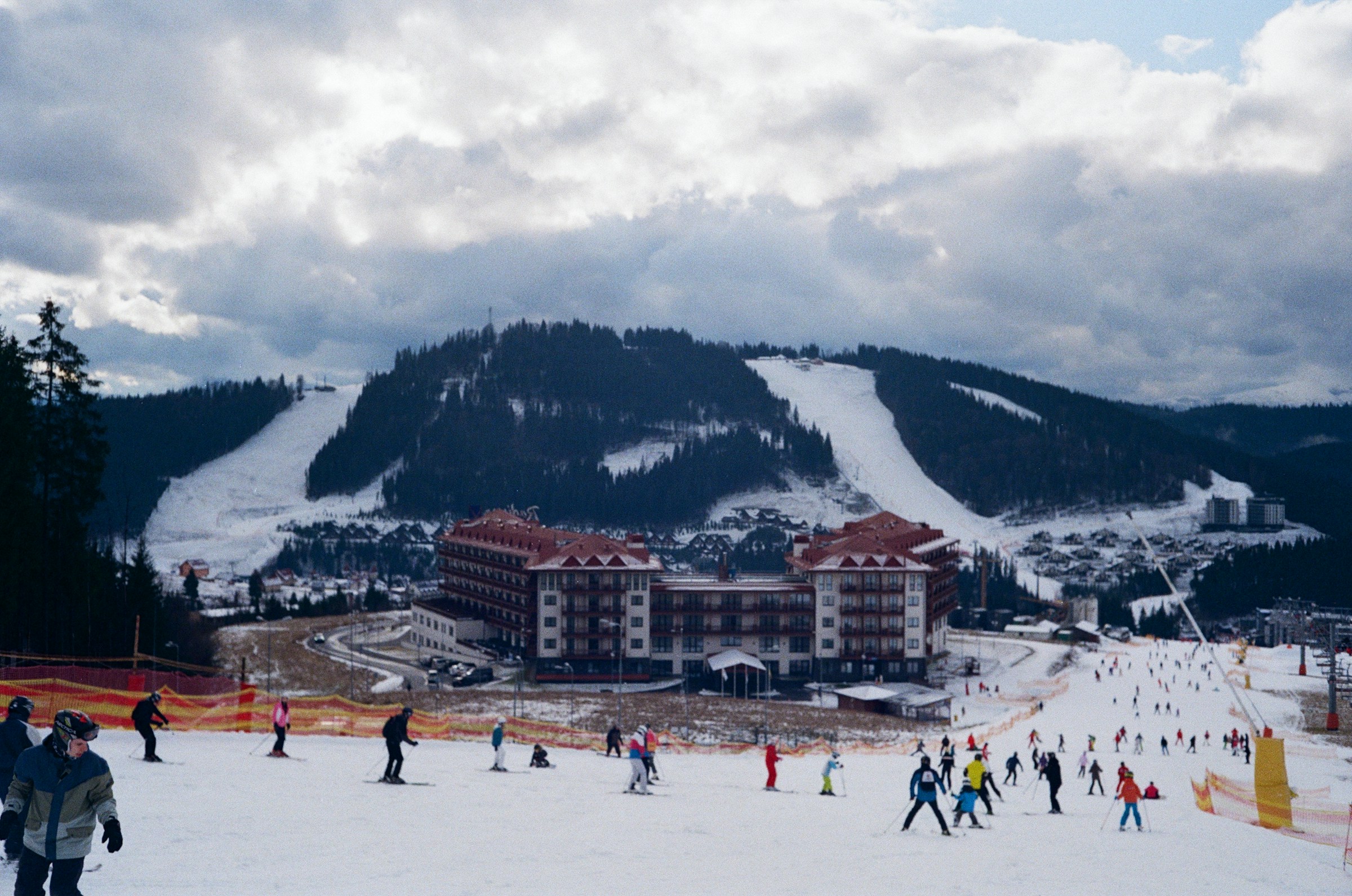
Hitting the slopes, whether on skis or a snowboard, comes with inherent risks. But just because someone is hurt while enjoying a day on the mountain, it doesn’t necessarily mean they’re fully responsible for their own injuries. Like any recreational area, ski resorts have the potential to be crowded and poorly maintained, and if there is evidence that shows that the property owners, another skier or snowboarder, or another party altogether played a role in your injury, they may be legally required to compensate you.
In the sections below, we’ll go over the many factors that come into play regarding liability in skiing accidents, and what you can do to protect your claim if another party caused or contributed to your accident.
When Other Skiers Or Snowboarders May Be Liable
One of the most common types of ski resort accidents is when one skier or snowboarder collides with another. In some scenarios, skiing collisions are to be expected, especially during peak season when the slopes are crowded. But if one skier crashes into someone else while also taking part in negligent behavior, they may be held liable for any injuries that result.
For instance, if a skier barrels down a slope at high speed and loses control, striking another person, that may be considered negligence. The same goes for those who ski or snowboard while intoxicated, ignore posted signs, or fail to keep a safe distance from others.
When The Resort May Be Liable
There are many hazards that come with skiing or snowboarding, and not all of them can be blamed on the resort. Skiers are expected to navigate around natural conditions like trees, rocks, and icy patches with reasonable care. But if the resort fails to address a known danger, such as broken equipment on a chairlift, an unmarked hazard on a trail, or unsafe crowding in a lift line, they may be held liable for resulting injuries.
Resorts may also face liability if their emergency response makes an accident worse. For instance, failing to staff enough ski patrol members or not providing proper training on injury response could put injured skiers and snowboarders at greater risk.
Even beyond the slopes, resorts have a duty to keep their premises safe. Slips and falls in icy parking lots, food poisoning from resort restaurants, or burns from faulty heating equipment can all be grounds for a negligence claim.
When Equipment Manufacturers May Be Liable
In some cases, an injury is caused or made worse by the skier or snowboarder’s equipment. For example, if a ski binding fails to release during a fall, it could lead to a serious knee or leg injury. If the failure was due to a defect in the design or manufacturing of the binding, then the manufacturer may be liable, regardless of whether the equipment was rented or owned by the injured skier.
Liability can also extend to situations where the equipment itself was safe when manufactured, but not properly maintained. This is most common with rental gear, which tends to see heavy usage. In these cases, responsibility may shift from the manufacturer to the resort or rental shop that provided the equipment.
When Other Third Parties May Be Liable
Beyond other skiers and snowboarders, equipment manufacturers, and the resort itself, there may be other parties who have negligently contributed to your injury. This could include independent contractors who maintain a business relationship with the resort, such as tour guides who ignore safety protocols, contractors who leave hazardous conditions on the property, or shuttle drivers who cause a crash while transporting guests.
While these connections are not always immediately obvious, a thorough investigation can reveal when a third party’s negligence contributed to your injuries and they too may be held accountable.
The Role Of Liability Waivers In Injury Claims
Liability waivers are standard at nearly every ski resort and are intended to limit the resort’s responsibility for accidents. If you’ve signed one, you may be wondering whether the resort can be held liable at all. The truth is that these waivers are not always enforceable, and they generally do not shield a resort from claims involving negligence. In other words, while a waiver may cover the ordinary risks of skiing and snowboarding, it does not give a resort a free pass to ignore unsafe conditions or put guests in unnecessary danger.
What Happens If You’re Partly At Fault?
Skiing accidents aren’t always black and white, and there are many scenarios where two people (or more) may share fault for an injury. For example, a skier might hesitate to file a claim because they were skiing a bit too fast, but the accident also involved another skier who cut across their path without looking. In that situation, both skiers’ actions contributed to the collision and resulting injuries.
In cases like this, a court may find that both skiers bear some responsibility and assign a percentage of fault to each. Under comparative negligence, a system used in many states (including California and Nevada), the amount of compensation an injury victim can recover is reduced based on their share of the fault. If the person who filed the claim is found more at fault than the other party, they may not be able to recover any damages.
Exploring Your Options After A Ski Injury
As you can see, there are many factors that contribute to liability in skiing and snowboarding accidents. Building a case can be complicated because multiple parties may share fault, waivers may affect claims, and determining negligence often requires detailed evidence and investigation. For these reasons, working with a skiing accident lawyercan be critical.
Even if you’re unsure whether you need legal representation, it never hurts to schedule a consultation. Most lawyers offer free consultations, giving you the opportunity to ask questions, review your rights, and determine whether another party may be liable for your injuries.

K. N.
Author
Latest Articles
Popular Articles