Is Street Photography Legal In London | Rights, Restrictions, And Legal Evaluations
Public land and private land operate under different rules. GDPR applies in specific circumstances. Certain subjects carry additional legal considerations. And your rights when challenged, while real and meaningful, need to be exercised calmly and intelligently to be effective.
Author:K. N.May 20, 202617.1K Shares276.3K Views
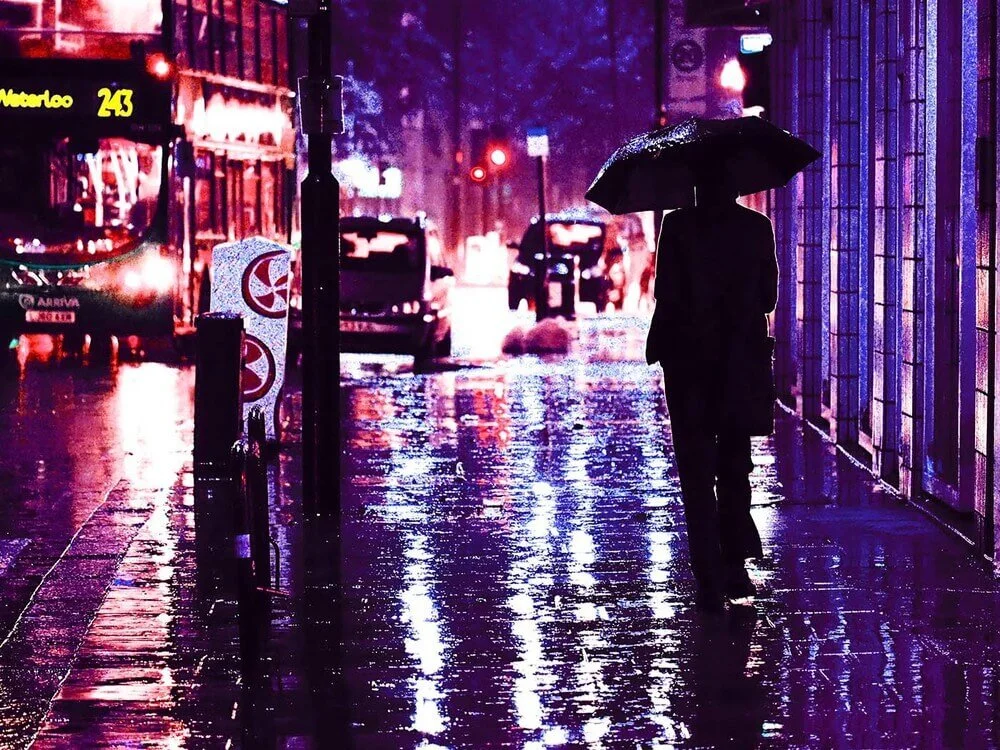
Few questions generate more confusion among photographers in Londonthan this one. You raise your camera on a busy street, someone challenges you, and suddenly the confident answer you thought you had dissolves into uncertainty. Is what you are doing actually legal? What rights do you have? And what happens if the situation escalates?
In over fourteen years of writing about UK photography law, I have watched that uncertainty cause photographers to put their cameras away when they had every right to keep shooting. It has also, occasionally, caused photographers to behave as if the law gives them more protection than it actually does in specific situations.
Both outcomes come from the same source: a lack of clear, organised information about what the law actually says. The honest answer to the headline question is yes, street photography is legal in London, but that yes comes with important layers of nuance that every photographer working in this city should understand.
What You Will Learn
- Whether street photography is legal in London, and under which specific laws
- The critical difference between public land and privately owned public spaces in London
- How GDPR applies to street photographers and when it matters
- Your rights when challenged by security staff, police, or members of the public
- The specific restrictions around photographing children, police, and government buildings
- Which London locations have their own photography rules, and what are those rules
- The difference between legal rights and ethical responsibilities
The Short Answer And Why The Full Picture Matters
Street photography in London is legal. That sentence is accurate and important to state clearly, because a great deal of misinformation circulates that implies otherwise. UK law does not require photographers to obtain consent before photographing people in public spaces, and there is no general right to privacy in a public place under current English law.
What UK Law Says About Photographing In Public
The legal foundation for street photography in the UK rests on a straightforward principle: in a genuinely public space, you are permitted to photograph what you can see. This principle is not stated in a single piece of legislation.
It emerges from the absence of any law prohibiting it and is reinforced by the Human Rights Act 1998, which protects freedom of expression and freedom of movement, including the right to document the world around you. The Metropolitan Police Service confirms on its own website that members of the public and press have a right to take photographs in public spaces.
This is not a grey area at the foundational level. The grey areas, and they do exist, arise in specific circumstances involving certain subjects, certain locations, and certain uses of the images you capture.
Why The Full Legal Picture Is More Nuanced Than A Simple Yes
The reason the simple yes answer is insufficient is that London's physical landscape blurs the line between public and private space in ways that genuinely matter legally. Many of the London's most photographically compelling locations, from the plazas of Canary Wharf to the courtyards of the Southbank, are privately owned and privately managed. The rules change on private land.
Beyond location, three areas of law add genuine complexity for street photographers: the Terrorism Act, which contains provisions that have been misapplied to photographers; GDPR, which applies when you publish or sell images of identifiable individuals; and the Protection from Harassment Act, which can apply if your photographic behaviour constitutes persistent unwanted attention.
The Legal Framework That Governs Street Photography In London
AMAZING Photography Laws in the UK
Several distinct pieces of UK legislation interact to define the legal environment for street photography. None of them, individually, tells the complete story. Together, they create a framework that is broadly permissive but contains specific and meaningful limits.
The Human Rights Act 1998 And The Right To Document
The Human Rights Act 1998incorporates the European Convention on Human Rights into UK law. Two articles are directly relevant to street photography. Article 8 protects the right to private and family life, which in theory could be invoked by a subject who felt their privacy was violated by a photograph. Article 10 protects freedom of expression, which includes the right to create and share images of public life.
In practice, Article 10 typically prevails in the context of street photography in public spaces, because English courts have consistently held that a person present in a public space has a reduced expectation of privacy.
The tension between Article 8 and Article 10 becomes more relevant in cases involving intrusive or persistent photography, particularly of private individuals in distress. For standard street photography in public spaces, Article 10 is the operative protection.
The Protection From Harassment Act 1997
The Protection from Harassment Act 1997is relevant to photographers who repeatedly photograph the same individual or do so in a way that causes alarm or distress. The Act makes it an offence to pursue a course of conduct that amounts to harassment, and it does not exempt photography from its scope.
A single photograph of a stranger in a public place does not constitute harassment. A pattern of following and photographing the same individual against their expressed wishes could.
The distinction matters in practice: most street photography sits comfortably outside the Act's reach, but photographers who specialise in extended documentary work or in portraiture of specific individuals should be aware of where the legal line lies.
The Terrorism Act 2000 And Section 58A: What It Actually Covers
Section 58A of the Terrorism Act 2000is the provision most frequently and incorrectly cited to challenge photographers in London. It is important to understand precisely what it does and does not cover, because widespread misunderstanding of this section has led to significant and unlawful interference with legitimate photography.
Section 58A makes it an offence to elicit, publish, or communicate information about members of the armed forces, intelligence services, or police in a way that is likely to be useful to a person committing or preparing an act of terrorism. The key phrase is "likely to be useful to a terrorist."
Photographing a police officer on a busy London street for documentary or artistic purposes does not meet this threshold. The section was never intended to restrict ordinary photography, and the Home Office guidance published alongside it confirms this.
It is worth noting that the previous Section 44 powers, which gave police broad stop-and-search authority that was frequently misused against photographers, were ruled incompatible with human rights law by the European Court of Human Rights in 2010 and have since been repealed. The current legal landscape is significantly more protective of photographers than it was before that ruling.
Public Land Versus Private Land: London's Most Important Distinction
If there is one piece of legal knowledge that every London street photographer needs to carry, it is this: the visual appearance of a space tells you nothing reliable about its legal status. London contains vast areas of privately owned land that look, feel, and function like public space but are legally governed by private property rules.
What Counts As Truly Public Land In London
Genuinely public land in London includes the public highway, which encompasses pavements, roads, and footpaths maintained at public expense. It includes most parks managed by public bodies such as Royal Parks and local councils, most public squares maintained by local authorities, and public buildings, including libraries and council offices, during opening hours.
On genuinely public land, you have the right to photograph freely. No private security operative, no bystander, and no management representative has the legal authority to prevent you from photographing. Your right to be on that land carries with it the right to document what you see.
Privately Owned Public Spaces And Why They Change The Rules
Privately Owned Public Spaces, commonly abbreviated as POPS, are one of the defining features of modern London's urban landscape. These are spaces that have been built and are maintained by private developers, often as a condition of their planning permission, but which remain under private ownership and control.
The landowner of a POPS has the legal right to set conditions for use of that space, including photography restrictions. If you photograph in a POPS after being asked to stop by the management or security team, you may be trespassing, and you can be asked to leave. You cannot be physically detained or have your equipment confiscated, but continued presence after a lawful request to leave constitutes a civil trespass.
Key London Locations And Their Legal Status
Understanding the status of specific London locations is practically essential. Here is the legal photography status of the city's most frequently visited areas:
- Canary Wharf: Is largely private land owned and managed by the Canary Wharf Group. Photography restrictions apply, and security staff are entitled to enforce them on the estate
- The Southbank:This is a mixed landscape. The publicly owned areas managed by Southbank Centre generally permit photography. Adjacent privately managed plazas may have their own rules
- The City of London:This is a unique jurisdiction managed by the City of London Corporation. Photography is generally permitted in its public streets, but the Corporation has its own byelaws in some locations
- Trafalgar Square and Parliament Squareare managed by the Greater London Authority, and the GLA permits photography for personal and media use without a permit
- The Royal Parks, including Hyde Park, St James's Park, and Regent's Park, are managed by the Royal Parks charity. Personal photography is permitted without restriction; commercial photography requires a permit
- Covent Garden Piazzais privately owned by Capco, and photography restrictions may be applied, particularly for commercial work
- Oxford Streetinvolves a mix of genuinely public pavement and areas adjacent to private retail property. The pavement itself is a public highway
Photographing People: Rights, Restrictions, And Consent
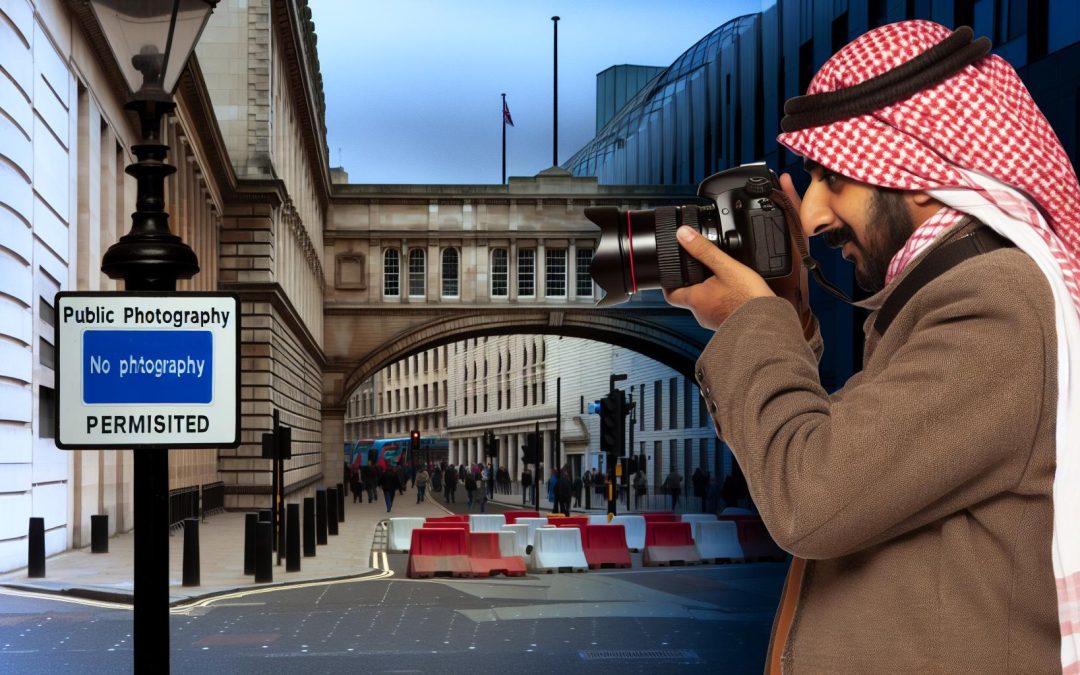
The most emotionally charged dimension of street photography law involves photographing other people. Understanding exactly where your rights begin and end in this area is essential both legally and ethically.
The Right To Photograph Strangers In Public
Under UK law, you do not need the consent of a person to photograph them in a public space. There is no general right to privacy in a public place in English law, and being photographed by a stranger in a public space does not in itself constitute a legal wrong.
This right is real and well-established. It is the foundation on which a century of British documentary photography, photojournalism, and street photography tradition has been built. The question of whether you should photograph someone, ethically speaking, is separate from whether you are legally permitted to do so, and that distinction matters.
Photographing Children In London
Photographing children in public spaces is legal in the UK. No law prohibits photographing children in public, and the persistent myth that doing so is illegal has caused significant and unwarranted anxiety among photographers with entirely legitimate purposes.
What is illegal is photographing children in ways that constitute harassment, taking photographs for grooming or sexual exploitation, or distributing images of children in contexts that violate child protection law.
These provisions are serious and rightly so, but they apply to criminal intent and criminal use, not to the incidental presence of children in street photographs. A photographer documenting street life in London is not committing an offence because children appear in the frame.
Photographing Police Officers And Government Buildings
Photographing police officers in public is legal. No UK law prohibits it, and the Metropolitan Police's own guidance acknowledges the public's right to photograph police activity. Officers cannot lawfully order you to stop photographing them in a public place solely on the basis that they object to being photographed.
The nuance here involves Section 58A, discussed earlier, and also the practical reality that officers may attempt to invoke powers they do not have. Knowing your rights clearly and calmly is your most effective protection in this situation.
Government buildings present a slightly different consideration: certain designated sites carry specific restrictions under the Official Secrets Act, and signage in those areas should be observed. For the vast majority of London's publicly visible government buildings, however, photographing the exterior from a public place is entirely lawful.
When Does Photography Become Harassment?
Photography becomes legally problematic when it crosses from documentation into a course of conduct designed to cause alarm or distress. The Protection from Harassment Act 1997 does not require physical contact or verbal threats. A pattern of following and photographing the same individual, particularly after they have expressed discomfort, can constitute harassment.
The practical test is straightforward. A single photograph of a stranger going about their day is not harassment. Repeatedly photographing the same person in a way that causes them fear or distress, particularly if continued after they have objected, moves into potentially unlawful territory. Most street photographers never approach this line in their ordinary practice.
GDPR And Street Photography: What Photographers Need To Know
UK Laws And Photography: What You Need To Know
The UK General Data Protection Regulation, retained in UK law following Brexit, has generated significant confusion in the street photography community. The confusion is understandable because GDPR does apply to photography in some circumstances, but those circumstances are more specific than many photographers fear.
When GDPR Applies To Street Photography
GDPR applies when you are processing personal data, which in photographic terms means capturing, storing, or using images of identifiable individuals. The critical question is what you intend to do with those images. GDPR does not make street photography illegal. It creates obligations for certain uses of the images you take.
The key factors that determine whether GDPR is relevant to your photography are:
- Whether the individuals in your images are identifiable from the photograph
- Whether you are storing those images in an organised way that constitutes a filing system
- Whether you intend to publish or sell the images in a way that processes personal data
- Whether you have a lawful basis for that processing, such as legitimate interests or the subject's consent
The Household Exemption And Personal Use
GDPR contains an important exemption for personal, household, and journalistic use. If you are taking street photographs purely for personal enjoyment, keeping them in a private collection, and not publishing them publicly or using them commercially, the household exemption is likely to apply, and GDPR obligations are minimal.
This exemption covers a significant proportion of street photographers. The hobbyist who shoots street scenes, processes the images at home, and shares them occasionally with friends is not operating a personal data processing system in any meaningful GDPR sense. The regulation was designed for systematic data processing at scale, not for private photographic practice.
Publishing, Selling, And Commercial Use Of Street Photographs
GDPR becomes more directly relevant when you publish images of identifiable individuals on a public platform, sell those images commercially, or use them in advertising or marketing. In these circumstances, you need a lawful basis for processing. The most common lawful bases for photographers are legitimate interests, which apply to journalistic and documentary work, and consent, which applies to commercial and advertising use.
To assess whether GDPR applies to your specific situation, ask yourself:
- Is the person in the image identifiable from the photograph alone?
- Am I publishing this image publicly, including on social media or a public website?
- Am I selling this image, licensing it, or using it in any commercial context?
- Have I considered whether I have a legitimate interest in publishing that outweighs the subject's privacy interest?
If you answer yes to the first two questions and are engaged in journalistic, documentary, or artistic photography, the legitimate interests basis is likely to provide sufficient grounds for publication. If the answer to the third question is yes and the use is commercial advertising, you will typically need the subject's consent and a formal model release.
Model Releases And Copyright In London Street Photography
Do You Need A Model Release In The UK?
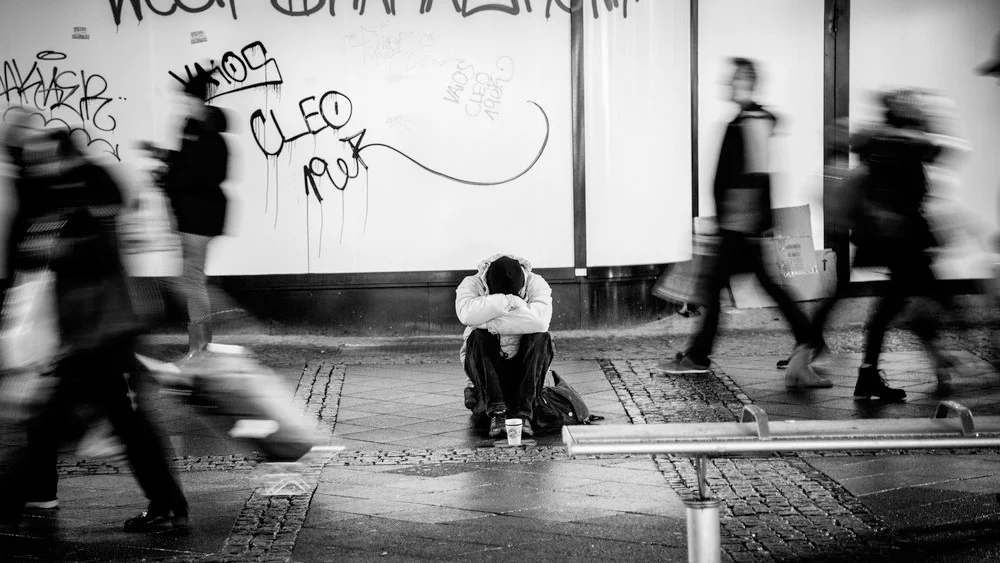
A model release is a signed document in which a photographed individual consents to their image being used for specified purposes. In the UK, a model release is not required for editorial, journalistic, or personal artistic use of street photographs. You can publish a street photograph in a newspaper, a magazine, a gallery exhibition, or a personal photography book without a model release.
A model release becomes legally necessary when images are used for commercial purposes, specifically advertising and marketing. If a brand wants to use your street photograph featuring an identifiable person to advertise their product, that person's consent is required, and a model release documents it. The distinction between editorial and commercial use is the operative line.
Who Owns The Copyright In A Street Photograph?
In the UK, copyright in a photograph belongs to the photographer who took it. This is established under the Copyright, Designs and Patents Act 1988. Being photographed does not give a subject any copyright claim over the resulting image. The photographer owns the image and the right to reproduce, publish, and sell it, subject to the GDPR and model release considerations already discussed.
This means that no one can legally demand that you delete a photograph on the grounds that they own it or that you need their permission to have taken it. The image is yours. What you do with it is where the legal obligations arise.
Your Rights When Challenged: Security Guards, Police, And The Public
Being challenged while photographing in London is a common experience, and knowing exactly what the law says in that moment is the most practical knowledge this piece can offer. The challenge almost always comes from one of three sources: security staff, police officers, or members of the public.
What Security Guards Can And Cannot Legally Do
Security guards have no powers beyond those of an ordinary citizen unless they are operating on private land that they are responsible for protecting. On private land, a security guard can ask you to stop photographing and ask you to leave. If you refuse to leave after a reasonable request, you may be committing civil trespass, and they can call the police.
What a security guard cannot do, under any circumstances, includes:
- Physically detain you or prevent you from leaving, except in very narrow circumstances involving a citizen's arrest for an indictable offence
- Confiscate your camera or memory card
- Demand that you delete your images
- Use physical force to prevent you from photographing on public land
If a security guard makes any of these demands, you are within your rights to decline calmly and clearly. Stating that you are on public land and aware of your rights is usually sufficient to resolve the situation without escalation.
What Police Officers Can And Cannot Legally Do
Police officers have broader powers than security guards, but those powers are still specifically defined. An officer can ask for your name and address if they have reasonable grounds to suspect you have been involved in a crime. They cannot demand your details simply because you are photographing in a public place.
Under Section 43 of the Terrorism Act, an officer can stop and search you if they reasonably suspect you are a terrorist. This power cannot lawfully be used simply because you are a photographer in a public place. The officer must have specific grounds for the suspicion. If stopped under these powers, you have the right to ask for the officer's name and badge number and to receive a written record of the stop.
An officer cannot seize your camera or require you to delete images without a court order, with the narrow exception of a lawful arrest during which they may seize items as evidence. Even then, deletion of images would not be an appropriate action and would be challengeable.
Can Anyone Force You To Delete Your Images?
No. This is one of the most important practical points in this entire piece. No member of the public, no security guard, and no police officer has the legal right to compel you to delete images from your camera or phone in the UK. The images are your property and your copyright. Deletion under duress is a form of unlawful interference with your property.
If you are pressured to delete images and feel unsafe refusing, you are entitled to comply under protest and then report the incident. However, understanding clearly that no such legal obligation exists is the foundation of an informed response.
How To Handle A Confrontation Calmly And Effectively
Consider this illustrative scenario: a photographer is shooting at a London plaza when a security guard approaches and says, "You can't photograph here." The photographer does not know immediately whether they are on public or private land.
The most effective response in this situation is calm, polite, and specific. Asking "Is this private land?" is the first practical question. If the guard confirms it is private land, you can choose to comply with the request or leave.
If you believe you are on public land, you can state calmly: "I understand I'm on public land and I'm not required to stop photographing here. I'm happy to speak with you, but I won't be deleting my images." That is neither aggressive nor legally inaccurate. It is the informed response of a photographer who knows their rights.
Location-Specific Rules In London
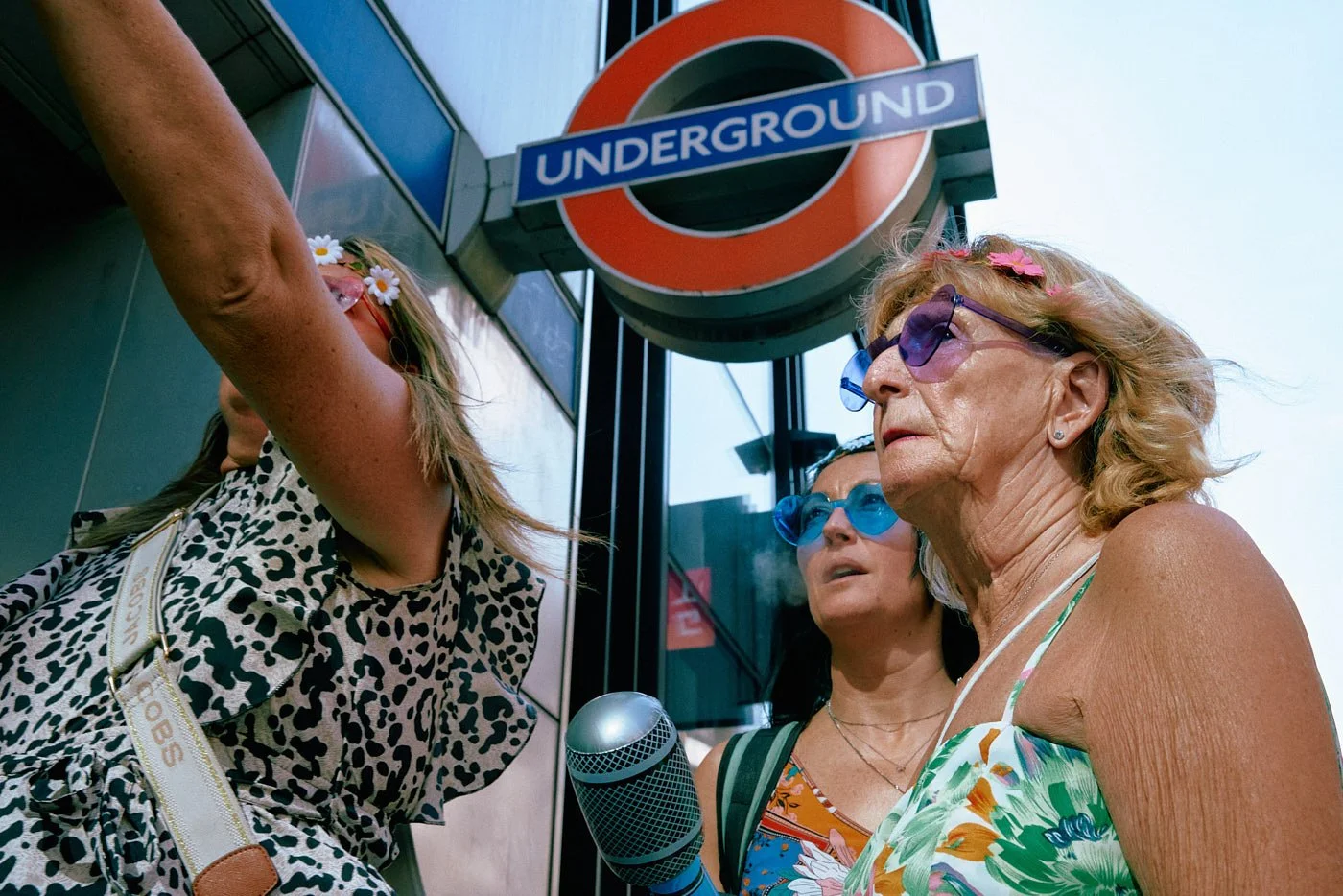
London's size and complexity mean that specific locations carry their own photography rules layered on top of the general legal framework. Knowing the rules for the places you are most likely to work is practical preparation.
The London Underground And TfL Property
Transport for London permits photography on the London Underground for personal, non-commercial use. You can photograph on platforms, trains, and in stations as a passenger, provided you do not obstruct staff or other passengers and do not use professional lighting equipment or tripods without prior permission.
Commercial photography on TfL property, including the Underground, requires written permission from TfL in advance. Filming for broadcast, advertising photography, and any work involving professional production equipment falls into this category. Photographing staff or operational areas in ways that could compromise safety or security may be refused on safety grounds.
Canary Wharf And The Docklands
Canary Wharf is privately managed by the Canary Wharf Group, and the estate's terms and conditions permit personal photography for non-commercial use while requiring prior permission for commercial photography. In practice, security staff at Canary Wharf have historically been among the most active in challenging photographers, sometimes incorrectly applying restrictions to personal photography.
If challenged at Canary Wharf, the key question is whether you are engaged in personal or commercial photography. Personal photography is permitted under the estate's own rules. If a security guard objects regardless, the calm and clear approach described in the confrontation section above is the most effective response.
The City Of London And Its Specific Rules
The City of London, the historic square mile in the heart of London, is a unique local authority jurisdiction with its own police force, the City of London Police. Photography is generally permitted in the City's public streets and spaces, and the City of London Police has historically taken a reasonable approach to photographers.
The City contains certain financial institutions and infrastructure that carry heightened security sensitivity, and photographing in ways that could reasonably appear to be security reconnaissance would attract legitimate attention. For standard street and documentary photography, the City of London is a rich and accessible photographic environment.
Royal Parks, Museums, And Tourist Landmarks
The Royal Parks, covering Hyde Park, Regent's Park, St James's Park, Kensington Gardens, Greenwich Park, and others, permit personal photography without restriction. Commercial photography, including professional shoots with models or production equipment, requires a permit and a fee.
Most of London's major museums, including the British Museum, the National Gallery, the Tate Modern, and the Victoria and Albert Museum, permit personal photography of their collections in most galleries, though specific exhibitions may carry photography restrictions for copyright reasons. Signage in individual galleries is the reliable guide. Photography is generally prohibited in cinemas, theatres, and live performance venues, where copyright and audience consideration apply.
The Ethics Of Street Photography: Where The Law Ends
Legal rights and ethical responsibilities are related but distinct, and the strongest street photographers understand both. The law tells you what you are permitted to do. Ethics asks what you should do.
Legal Does Not Always Mean Right
You can legally photograph a person in a public space who is visibly distressed, grieving, or in a moment of intense personal difficulty. Whether you should is a different question. The law gives you the right. Your judgment as a human being and as a photographer determines whether exercising that right serves any purpose worth its cost to the subject.
This is not an argument against documentary photography, which has produced some of the most important images in human history precisely because photographers chose to keep shooting in difficult circumstances. It is an argument for the kind of conscious, considered practice that distinguishes serious street photographers from people who simply hide behind legal rights to justify thoughtless behaviour.
Practical Ethical Guidelines For London Street Photographers
The following guidelines represent the ethical standard most respected street photographers in London apply to their own practice:
- Photograph with genuine purpose. If you cannot articulate why a specific image is worth taking, that is useful information
- Be willing to engage with subjects who approach you. A brief, friendly conversation often resolves discomfort far more effectively than asserting your legal rights
- Exercise particular care and consideration when photographing people in vulnerable moments, even when it is entirely legal to do so
- If someone asks you not to publish a specific image and there is no compelling public interest reason to do so, consider whether their request is reasonable
- Understand that your legal right to photograph is not an obligation to photograph. The camera is a tool, and how you use it reflects on you and on street photography as a practice
Frequently Asked Questions About Street Photography Law In London
Is Street Photography Legal In London?
Yes. Street photography is entirely legal on public land in London. UK law does not require consent to photograph people in public spaces, and no general right to privacy exists in a public place under English law.
Can Security Guards Stop You From Photographing In London?
On private land, yes. Security staff on private property can ask you to stop photographing and ask you to leave. On public land, they have no legal authority to stop you, confiscate your equipment, or demand deletion of your images.
Does GDPR Apply To Street Photography?
It depends on use. Personal hobby photography is largely covered by the household exemption. GDPR becomes relevant when you publish images of identifiable individuals publicly or use them commercially.
Can You Photograph Police Officers In London?
Yes. There is no law preventing the photography of police officers in public spaces. Section 58A of the Terrorism Act has a very narrow scope and does not apply to ordinary documentary or artistic photography.
Can Anyone Force You To Delete Your Photos In London?
No. No member of the public, security guard, or police officer has the legal right to compel you to delete images under UK law. Your images are your property and your copyright.
Is Canary Wharf Public Or Private Land?
Canary Wharf is largely private land managed by the Canary Wharf Group. Personal photography is permitted under their rules, but commercial photography requires prior permission. Security staff there can enforce those rules on the estate.
Do You Need A Model Release For Street Photography In The UK?
Not for personal, journalistic, or editorial use. A model release is required when using images of identifiable individuals for commercial advertising or marketing purposes.
Is It Legal To Photograph Children In Public In London?
Yes. There is no UK law prohibiting photography of children in public spaces. Photographing children with harmful intent or for illegal purposes is a separate criminal matter entirely unrelated to lawful street photography.
Final Thoughts
Street photography in London is legal, richly protected, and worth practicing with confidence. The law is broadly on your side in public spaces, and understanding it clearly is what allows you to work without the anxiety that comes from uncertainty.
What the law cannot resolve for you is the quality of your practice. Knowing your rights when a security guard approaches, understanding whether you are on public or private land, grasping when GDPR becomes relevant to your publishing decisions, these are the foundations of informed photography in one of the world's great cities.
London's streets have been documented by photographers for nearly two centuries. The tradition is alive, well-protected, and wide open to anyone who approaches it with both the knowledge of their rights and the commitment to use them responsibly.
Jump to
What You Will Learn
The Short Answer And Why The Full Picture Matters
The Legal Framework That Governs Street Photography In London
Public Land Versus Private Land: London's Most Important Distinction
Photographing People: Rights, Restrictions, And Consent
GDPR And Street Photography: What Photographers Need To Know
Model Releases And Copyright In London Street Photography
Your Rights When Challenged: Security Guards, Police, And The Public
Location-Specific Rules In London
The Ethics Of Street Photography: Where The Law Ends
Frequently Asked Questions About Street Photography Law In London
Final Thoughts
K. N.
Author
Latest Articles
Popular Articles