How To Stay Safe In A Theme Park
No one goes to a theme park expecting to get injured. Most theme parks are designed with safety in mind and do their utmost to ensure the safety of passengers, even when they’re stuck upside down suspended 500 ft in the air.
Author:K. N.Aug 10, 202672 Shares7.9K Views
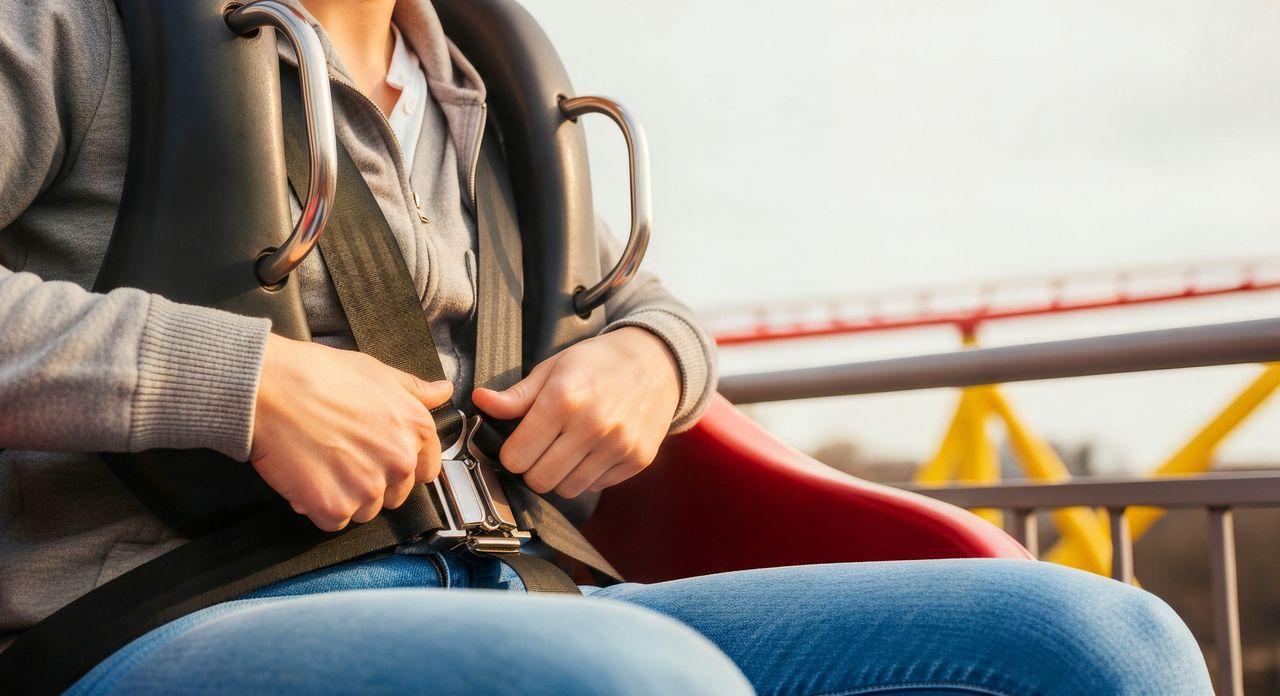
No one goes to a theme park expecting to get injured. Most theme parks are designed with safety in mind and do their utmost to ensure the safety of passengers, even when they’re stuck upside down suspended 500 ft in the air.
In rare unfortunate circumstances, safety may fall to the wayside, or a malfunction becomes suddenly apparent, resulting in severe injuries or even death for parkgoers. These tragedies are often major news because of their infrequency, but the stakes remain high in theme parks. In 2025, the Colorado courts settled a wrongful death case where a child fell out of her seat during a vertical drop at a local theme park.
The International Association of Amusement Parks and Attractions (IAPPA) reports that the chances of a serious injury at an amusement park in the United States are 1 in 15.5 million. While these statistics highlight the rareness of these injuries, it’s better to be aware of how a wrongful death lawyer in Santa Anacan help before tragedy strikes during your summer trip.
How Do Roller Coaster Accidents Happen?
In many cases, roller coaster accidents happen due to a ride malfunction. Electricity can go out, harnesses can be faulty, or the coaster cart can suddenly derail. The chances of these events happening are very low. Fortunately, foreseeable incidents like electricity going out mid-ride are also expected and escape plans for guests are also set in place before ride construction.
Most accidents relating to roller coasters are preventable with proper inspection and maintenance. However, not everything is foolproof. Sometimes safety precautions get overlooked to keep rides from stalling. While it’s not a big problem for shallow boat rides, it’s a problem for high-intensity flying coasters that require all guests to be safely strapped in.
Safety Measures Guests Can Practice
While it’s up to theme parks to keep their guests safe, visitors still have a duty to maintain their own wellbeing. Safety in a theme park depends on proper operations and reasonable behavior.
Safety habits guests can practice while visiting their favorite theme park can be:
Being Aware Of Crowds
In a theme park, there are going to be large crowds. Navigate these highly congested areas slowly to avoid colliding with other people or employees trying to get their jobs done. Try to move along with foot traffic instead of against it.
Voicing Safety Concerns
If someone gets into a ride and is unsure they’re properly secured, ask an employee for assistance. The same thing applies if a guest notices something odd with a part of the ride, such as broken parts like seat belts, harnesses, or other ride mechanisms.
Following Rules And Regulations
Rides and attractions have set height and weight requirements for safety reasons. If someone is too short or heavy to ride an attraction, it’s best to move on. These parameters are set to ensure the safety of all guests and keep the structural integrity of the attraction.
Some rides also have health warnings listed. For example, rides with huge vertical drops come with warnings for visitors with heart, blood pressure, back, neck, motion sickness, and other conditions that can be aggravated by a ride. Depending on a visitor’s health situation, it’s better to skip a ride instead of risking a medical episode.
Being Responsible With Alcoholic Beverages
It can be easy to get carried away while having fun. Many theme parks sell alcohol with restrictions on each purchase. However, everyone’s tolerance is different. Keep yourself and your party safe by taking things slowly and staying hydrated. For example, if visiting the park with a friend who is a lightweight when it comes to alcohol, make sure they don’t go over their limit as intoxication can lead to an increase in accidents.
Taking Care Of Children
Theme parks host people of all ages from all around the world. Small children often wander off or get lost in the shuffle of a crowd. Before going to a theme park, set up contingency plans with kids in case they get separated from their group.
Reunification Plans For Small Family Members
In the United States, 1 in 4 kids over the age of 8 have their own cellphone. If they have a cellphone, it’s easy for a kid to call their parents and reunite. However, if a child gets lost without one, the best thing to do is have a plan for reunification.
Teach them to ask a park employee for assistance
Teach children that it’s okay to approach park employees for assistance in finding their parents. Most park employees have distinct uniforms and are easy to find. Teach them to stay in the park and remind them about unsafe adults. If a park employee is not visible, teach your children to look for other families who can take your child under their wing and help them while keeping them calm.
Wristbands with contact information
If a child doesn’t have a bag or backpack on their person, a wristband with a parent/guardian’s contact information written inside, not visible to the public, can be a great asset. If a child gets lost and speaks to a park employee, they can call the number written in the wristband. Make sure the child knows the information is there in case of an emergency.
Ensure Children Are Secure
Children can be excited when getting on a ride. Ensure their safety by double checking they are secured before a ride takes off. Test their seatbelts or harnesses and ask a staff member to double-check if they are secure.
How Is A Theme Park Liable After An Accident?
Theme parks, like other public areas, have the responsibility of ensuring the safety of all visitors. Inspections, maintenance, clean areas, and attraction layout are all a part of the plan to keep parks safe. Any failures in that duty, and a theme park may be charged with the following:
- Premises liability
- Negligent operation
- Inadequate supervisions
- Defective equipment
Some parks argue that warning signs and waivers make them not liable for any damage. However, that is incorrect. If someone is injured due to negligence, unsafe conditions, or improper operation, the park can be held at fault.
A signed waiver also flies out the window when it comes to incidents of gross negligence, or dangers not outlined in the conditions.
Common Causes Of Theme Park Accidents
Depending on the theme park and its features, the following conditions can cause accidents:
- Mechanical failures
- Inadequate training or supervision
- Slippery surfaces
- Unsafe pool or slide conditions
- Fights or other altercations caused by visitors
- Poor maintenance or inspections
- Height hazards and control measures
Can More Than One Party Be Held Liable?
An injury at an amusement park can have more than one liable party. Depending on the circumstances surrounding the accident the following parties can be held liable:
- Amusement park owners and operators
- Ride manufacturers or component suppliers
- Maintenance vendors or inspection contractors
- Event operators
- Security provider
During an investigation, lawyers will review maintenance records, incident reports, safety procedures, employee training, inspection history, and any available video evidence.
Common Injuries
The following are the most common injuries at a theme park:
- Traumatic brain injury
- Disc injuries
- Orthopedic injuries
- Neurological problems
- Scarring
- Water-related trauma
Evidence Needed To File A Case
Like a typical accident, gathering evidence is the first step in filing a successful case against a theme park. Theme parks typically have a team of lawyers ready to defend the company. The average person does not. Gather the following evidence to present to your potential wrongful death or personal injury lawyer in Santa Ana:
- Photos and video of the scene, ride, or hazards
- Witness names and contact information
- Incident reports and communications with park staff
- Surveillance footage and preservation requests
- Maintenance, inspection, and operator training records (when obtainable)
- Medical records documenting injuries and symptoms
How Long To File A Claim?
In most personal injury and wrongful death cases, the claimants have 2 years to file a claim. However, depending on the circumstances of each case, it’s recommended to file a case sooner rather than later. The longer people wait to file a case, the more they risk losing vital pieces of evidence.
Why Get A Wrongful Death Lawyer?
In the extremely rare case of a fatality at a theme park, it’s recommended to partner with a wrongful death lawyer in Santa Ana like Vaziri Law, LLP, to hold theme parks responsible right away.
Theme parks keep retainers of lawyers that can easily wipe out the ordinary person’s capacity to navigate the legal system. Instead of paying families the compensation they deserve, companies may maintain innocence or dispute liability and do their best to avoid paying damages. Hiring an experienced wrongful death attorney is the best counter to a team of lawyers.
The Investigation Process During Recovery
While families grieve and focus on recovering from their physical and/or psychological damages, their attorney can counter the claims the corporations make to downplay their negligence.
Wrongful death attorneys can investigate ride design, operator actions, maintenance logs, and safety protocols. They can determine whether the park or outside manufacturers performed their duty of care. They can also use their legal knowledge to counter legal arguments theme park lawyers may make to avoid responsibility.
If clients also suffered additional damages as a result of a wrongful death, they can also file claims for those damages, such as lost wages, physical and psychological damages, funeral costs, and medical expenses.
Legal Representation Can Help In The Case Of A Trial
In the rare case that a wrongful death suit goes to trial, an attorney can represent their clients. With their intimate knowledge of the case, the lawyer can make a solid case and use their network of experts to help them build a stronger case before a judge.
Jump to
How Do Roller Coaster Accidents Happen?
Safety Measures Guests Can Practice
Reunification Plans For Small Family Members
How Is A Theme Park Liable After An Accident?
Common Causes Of Theme Park Accidents
Common Injuries
Evidence Needed To File A Case
How Long To File A Claim?
Why Get A Wrongful Death Lawyer?
The Investigation Process During Recovery
Legal Representation Can Help In The Case Of A Trial

K. N.
Author
Latest Articles
Popular Articles