Drinking Laws Japan: What Visitors Must Know Before Drinking
Drinking Laws Japan made simple: who can drink, where you can drink and what happens if you break the rules-essential reading for visitors.
Author:K. N.Nov 17, 20251.1K Shares82.1K Views
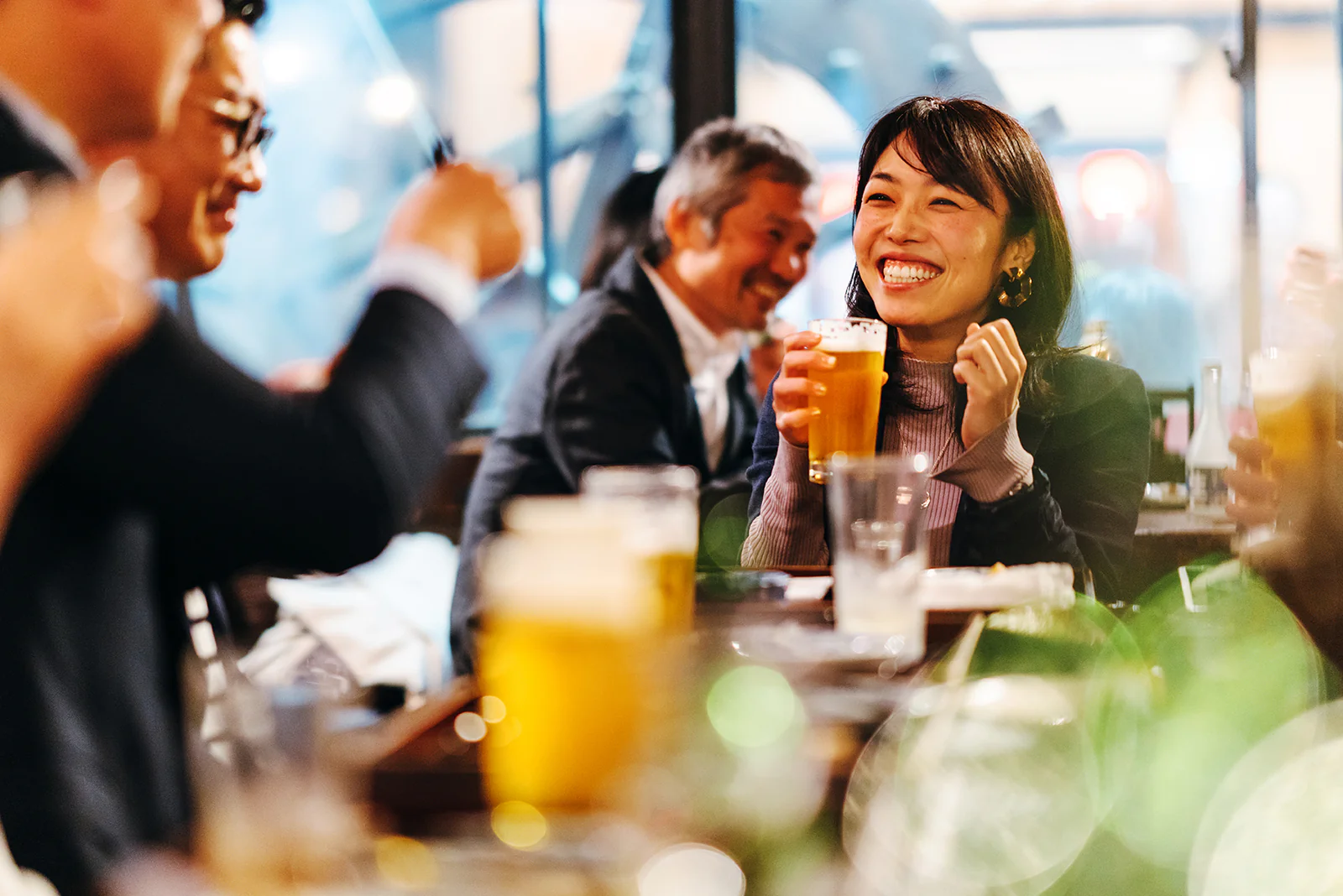
Drink Like A Local, Think Like A Lawyer: Understanding Drinking Laws Japan
The vibrant energy of Japan’s nightlife-from the neon-drenched streets of Shinjuku to the cozy warmth of a local izakaya-often revolves around alcohol. For foreigners and tourists, Japan’s approach to drinking lawscan seem contradictory: famously strict on the legal age and driving, yet surprisingly permissive about public consumption.
This guide cuts through the confusion, providing a clear, authoritative breakdown of the rules you need to know to enjoy Japanese alcohol culture responsibly and legally in 2025. We’ll cover the non-negotiable legal thresholds and, more importantly, the critical social nuances (reigi) that often trip up visitors and are essential for a harmonious trip.
The Absolute Rule: The Legal Drinking Age In Japan
The most important legal fact for any visitor or resident is the age requirement. Despite global trends and recent Japanese legislative changes, the law here is clear and strictly enforced by vendors.
The Minimum Age Is Fixed At 20 Years Old
Under the Minor Drinking Prohibition Law (Mishōnen-sha Inshū Kinshi-hō), the legal minimum age for purchasing or consuming anyalcoholic beverage in Japan is 20 years old.
- A Law with Deep Roots:This prohibition on underage drinking is one of Japan’s oldest laws concerning minors, first implemented in 1922, demonstrating a long-standing, robust standpoint on alcohol and young people.
- Addressing the "Japan Drinking Age 18" Myth:Although the age of adulthood was lowered to 18 in 2022, the legal limits for drinking, smoking, and gambling remain at 20. There is no leniency for drinking age in Japan with parents in any setting.
- Verification for Foreigners:Age calculation is standard (Gregorian calendar). Tourists must be prepared to show their passport or Residence Card (if resident) as proof of age at any time, especially when purchasing alcohol.
Punishment For Underage Drinking: Who Pays The Price?
The consequences for breaking the drinking laws are severe, particularly for the adults and businesses involved.
- Vendors and Servers:Businesses face significant fines up to around ¥500,000 for serving minors.
- Parents/Guardians:Parents are legally obligated to prevent minors under their care from drinking and face repercussions if the law is broken.
- Consequences for Foreigners:Violating the drinking age can lead to severe consequences for tourists, including police detention, fines, and potentially deportation and a ban on re-entering Japan.
Also Read: Travel And Human Rights
Enjoying Alcohol In Public: The Nuance For Tourists
A frequent question for visitors is: Is it legal to drink alcohol in public in Japan? The answer is yes, generally, and Japan has comparatively relaxed laws on public consumption compared to most countries.
The General Rule: Open Containers And Public Intoxication
There are no national open container laws in Japan. It is perfectly legal to buy a drink from a konbiniand consume it while walking down the street or having a picnic in a park. Public intoxication is not a specific criminal offense.
When Freedom Becomes Disorder: The Meiwaku Threshold
While the act of drinking is legal, the behavior that results from it may not be. This is where social rules often surpass the letter of the law.
- Disorderly Conduct is Illegal:Police intervention occurs when you cross the line into disrupting the public order (causing meiwaku). This includes yelling, playing loud music, public urination, or blocking access. Police are proactive in intervening to maintain public peace.
- The KonbiniSocial Rule:While technically legal, sitting outside a convenience store consuming alcohol and food is often viewed poorly by locals. It's a key social "don't" that can cause meiwaku, even if police aren't involved.
- Local Bans:The Shibuya Example (Post-October 2024): Some local authorities, like Shibuya Ward, have introduced ordinances banning street drinking from 6 PM to 5 AM in specific high-traffic areas. This is enforced primarily through strong social pressure and police talking-tos, not direct fines, but compliance is essential for respectful tourism.
- Specific Park Prohibitions:Formal Japanese gardens and some historical parks (like Shinjuku Gyoenor Hama-rikyu) often explicitly ban alcohol consumption.
Mastering Japanese Drinking Etiquette And Culture
Understanding the rules of social drinking, especially the Nomikai(group drinking/after-work party) culture that often leads to late-night stumbles, is essential for every visitor.
Essential Drinking Etiquette (Reigi)
- Never Pour Your Own Drink (O-shaku):This is the golden rule. Always let someone else pour your glass, and return the favor immediately. Pouring for yourself is considered impolite.
- Receive with Both Hands:Show respect by receiving a drink poured for you with both hands.
- Start with ‘Kanpai’:Do not take a sip until everyone has a drink and the group has made the collective toast (Kanpai!- Cheers!).
- It’s Okay to Say No:If you are finished or want to slow down, leave a small amount of liquid in your glass. This signals politely that you do not need a refill.
Don't Miss: Religion and Family Law
Popular Japanese Alcohol Varieties
To satisfy the secondary intent of what to drink in Japan, here is a quick overview of what locals enjoy:
- Beer (Nama Biiru):The most popular drink, dominated by the 'Big Four' (Asahi, Kirin, Sapporo, Suntory). Always ask for a Nama biiru kudasai (Draft beer, please).
- Sake (Nihonshu):Rice wine, ordered hot (atsukan) or cold. A cornerstone of Japanese dining.
- Shochu:A clear, distilled spirit (around 25% ABV), stronger than sake, made from various ingredients like barley or sweet potato. Often served in mixed drinks (Chu-hai).
- Chu-Hai:Pre-mixed, carbonated canned drinks in various flavors. Be wary of the high-ABV varieties (like Strong Zero), which can be deceptively powerful.
Buying Alcohol In Japan: Where And How It’s Regulated
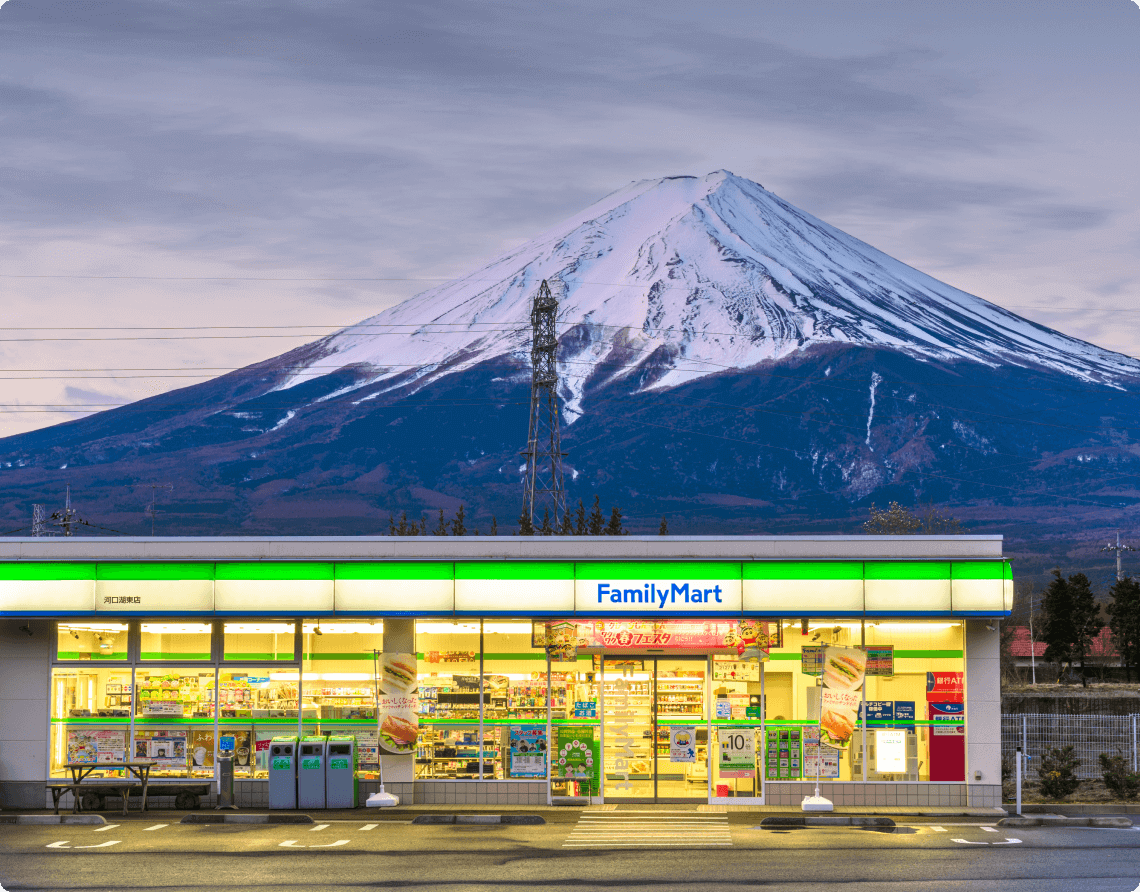
Where You Can Buy Alcohol
Alcohol is widely available:
- Konbini (convenience stores) -often 24/7, with chilled beer, chu-hai, canned cocktails, sake, and snacks.
- Supermarkets & liquor stores -broader selection and often better prices.
- Bars, izakaya, restaurants and fast-food chains- many even offer beer with fast food (yes, you can find burgers + beer).
- Vending machines- less common now, but still present in some areas using age-verification systems.
Serving Alcohol: No Classic “liquor License” For Bars
One thing that stands out compared to many Western countries:
- Japan doesn’t use a system of scarce, expensive liquor licenses for bars and restaurants.
- As long as a venue is permitted to operate as a restaurant or bar, it can typically serve alcohol without a separate liquor license.
There are still important requirements:
- Restaurants and bars must appoint at least one Food Hygiene Manager (食品衛生管理者) and file plans with the local health department, covering kitchen layout and hygiene.
- To operate late at night, some venues must also register under the Late-Night Liquor Serving Restaurant Business rules (深夜酒類提供飲食店営業), especially if they serve alcohol after midnight. These rules impose conditions on lighting, noise and what kind of “hosting” behaviour is allowed.
This lighter licensing regime explains why you see alcohol:
- in casual eateries,
- in fast-food chains,
- and in small “snack” bars tucked into tiny buildings - places that might not be allowed to serve alcohol so freely in other countries.
Selling Sealed Alcohol: The General Liquor Retail License
For selling sealed bottles or cans to take away (konbini, supermarkets, liquor shops), Japan uses a different control:
- Shops must hold a General Liquor Retail License(一般酒類小売業免許).
- Obtaining it requires proving financial stability and complying with tax requirements.
- New convenience stores sometimes open without alcohol for the first week or two, because their license is still being processed.
So while serving in a bar is relatively lightly regulated, retail sales are more tightly controlled to manage the flow of alcohol into the general market.
Transportation And Alcohol: Strict Liability Laws
The leniency afforded to public consumption ends abruptly when you mix alcohol with any form of transportation. Japan has a strict, near-zero tolerance policy for driving under the influence.
Passenger Drinking In Private And Public Transport
- Public Transport:Drinking on long-distance trains (like the Shinkansen) is legal and encouraged. On local commuter trains, it's legal but socially discouraged due to crowding.
- Private Vehicles:Passengers in private vehicles (taxis, cars) are legally free to consume alcohol. There are no open container laws for passengers.
Drunk Driving (DUI) And Accessory Charges
The legal limit for drivers is effectively zero (BAC ≤ 0.03%). Penalties are extremely harsh.
Accessory Charge:If you are a passenger in a vehicle driven by someone intoxicated, you can be charged as an accessory for knowingly allowing the impaired person to drive. Penalties are severe, including potential imprisonment or fines up to ¥300,000.
Legal consequences for drunk driving can be severe anywhere in the world—not only in Japan. If you ever find yourself involved in a vehicle-related legal dispute abroad, having the right guidance can make a major difference. For more insight into protecting your rights after an accident, see Win Your Case With a Skilled Car Accident Defense Attorney.
The Critical Warning: Drunk Cycling
- Bikes are Vehicles:Under Japanese law, a bicycle is considered a light vehicle. Riding a bicycle while drunk (even slightly) is treated as drunk driving.
- Severe Penalties:A conviction for drunk cycling penalties can reach up to five years in prison or fines approaching ¥1,000,000. Never risk it.
Business Operation Nuances
For those interested in the commercial context of Japan's drinking laws, the licensing structure is notably different from many Western jurisdictions.
- No General Liquor Licenses for Serving:Bars and restaurants do not require a specific, limited liquor license to servealcohol. They primarily need to register a Food Hygiene Manager.
- Late Night Bar Law:Establishments wishing to serve alcohol past 12 AM must register under the Late Night Bar Operation Law, which imposes specific rules about operation and customer interaction.
- Vending License:Any store selling closed containers of alcohol for off-premises consumption (e.g., konbini) must obtain a General Liquor Retail License.
Frequently Asked Questions About Japan Drinking Laws
What Is The Alcohol Rule In Japan?
The primary alcohol rule in Japan is the 20-year-old minimum age for consumption and purchase. Secondary rules involve a near-zero tolerance for driving/cycling under the influence, and a social/local rule that prohibits behavior that causes a meiwaku(nuisance), even though public drinking itself is generally legal nationwide.
How Strict Is Japan On Drinking Age?
Japan is highly strict on the drinking age for businesses, with fines up to ¥500,000 for serving minors. For tourists, being caught underage can result in detention and potential deportation.
Is Public Drunkenness Illegal In Japan?
Public drunkenness is not an explicit criminal offense, but disorderly conduct is. If your intoxication results in a public nuisance (meiwaku)-such as yelling, fighting, or passing out-police will intervene, and you can be detained.
Do You Need ID To Drink In Japan?
Yes. While some casual places might not check, tourists must carry their passport or official Residence Card (if resident) at all times for age verification (20 years or older).
What Is The Accessory Charge For Drunk Driving?
In Japan, passengers in a vehicle driven by someone who is intoxicated can be charged as an accessory if they knowingly allowed the impaired person to drive. This charge carries severe penalties, including fines up to ¥300,000 and potential prison time.
How Do I Ask For The Bill In Japanese?
To get the bill at a bar or restaurant, simply say: O-kai-kei onegaishimas(u). To get a waiter's attention, say Sumimasen! (Excuse me!).
Key Takeaways For Responsible Drinking
- Age is 20:The Minor Drinking Prohibition Law (1922) makes 20 the absolute minimum age.
- MeiwakuControl:Public drinking is allowed, but public intoxication that causes a nuisance can lead to police intervention. Respect the local environment, even outside konbini.
- Bikes = Cars:Drunk cycling is a serious crime with penalties up to five years in prison or ¥1,000,000 fine.
- Etiquette Matters:Never pour your own glass. Always toast (Kanpai!) before drinking.
Final Thoughts: Harmony And Respect
The unique nature of Japan’s drinking laws is rooted in the Japanese concept of social harmony (Wa). You are granted significant freedom (public drinking) but are held to a high standard of collective responsibility (no nuisance, no drinking and driving/cycling). By observing these core legal and social rules, you ensure your experience is safe, responsible, and enhances the experience for everyone.
Kanpai-and please drink responsibly!
Jump to
Drink Like A Local, Think Like A Lawyer: Understanding Drinking Laws Japan
The Absolute Rule: The Legal Drinking Age In Japan
Enjoying Alcohol In Public: The Nuance For Tourists
Mastering Japanese Drinking Etiquette And Culture
Buying Alcohol In Japan: Where And How It’s Regulated
Transportation And Alcohol: Strict Liability Laws
Business Operation Nuances
Frequently Asked Questions About Japan Drinking Laws
Key Takeaways For Responsible Drinking
Final Thoughts: Harmony And Respect

K. N.
Author
Latest Articles
Popular Articles