20 Celebrity Lawsuits That Had Major Financial Consequences
Beyond the dramatic headlines, these celebrity lawsuits reshaped fortunes, ended careers, and bankrupted companies. Here's what each case actually costs, and why.
Author:K. N.May 19, 202616K Shares301.9K Views
Some of the biggest financial transfers in entertainment history never happened in a boardroom. They happened in a courtroom. When celebrities end up in litigation, the stakes are rarely ordinary.
Contracts worth hundreds of millions, reputations built over decades, and entire business empires can hinge on a single jury verdict or a confidential settlement reached in a hallway. The numbers that make headlines are often just part of the story.
What got paid, what got reduced by statute, and what never got paid at all tell a very different version of events. The cases below are not just the most dramatic celebrity legal battles on record. They are the ones where the financial consequences were real, lasting, and large enough to change how the entertainment industry does business.
The largest celebrity-adjacent legal settlement on record is not a defamation verdict or a divorce; it is the $38 billion divorce between Jeff Bezos and MacKenzie Scott.
Many headline settlement figures are unconfirmed. When a case settles confidentially, the numbers reported by media outlets come from anonymous sources, not court documents.
Jury verdicts and final payouts are frequently not the same number. State statutory caps, insurance coverage, and asset sheltering all affect what actually changes hands.
Legal fees in major celebrity cases routinely reach $10 million to $30 million per side, sometimes exceeding the value of what was won or lost.
Five lawsuit categories produce the overwhelming majority of large financial consequences: divorce settlements, defamation verdicts, copyright rulings, contract breaches, and privacy violations.
A lawsuit document with a fountain pen and a calculator.
Understanding why certain lawsuits generate catastrophic financial consequences starts with understanding the category. Not all celebrity litigation is created equal.
Tend to produce the largest absolute dollar figures because they involve the division of the entire accumulated wealth. Unlike a lawsuit where one party pays another, a divorce divides everything built together, and courts are not bound by what either party considers fair.
Can be enormous but are frequently reduced on appeal or by statutory caps. The financial destruction in these cases often comes less from the verdict itself and more from the legal fees and career earnings lost during the proceedings.
Have reshaped entire industries. When courts expand what "copying" means, every artist and label adjusts their behavior, incurring millions in new licensing costs that would not have existed before the verdict.
In the streaming era, studios have become particularly expensive, which structured decades of talent deals around theatrical release windows that no longer apply cleanly to modern distribution.
Carry unique financial risk because, as the Hulk Hogan case demonstrated, a single privacy judgment can exceed the total assets of the defendant. There is no cap on privacy damages in federal court, the way some states cap defamation payouts.
Before looking at individual cases, one fact about rich celebritylawsuit figures needs to be understood clearly: the number reported in a headline is rarely the number that changed hands.
In defamation and personal injury cases, juries award two types of damages. Compensatory damages cover actual losses: lost income, emotional distress, and reputational harm.
Punitive damagesare designed to punish particularly egregious behavior and are awarded on top of compensatory damages. The problem is that many states cap punitive damages by statute. Virginia, where the Depp vs. Heard trial was held, caps punitive damages at $350,000.
That single statutory rule is why Johnny Depp's jury award of $15 million (including $5 million in punitive damages) was reduced to approximately $10.35 million in the final judgment. The jury wanted to send a larger message. The law prevented it.
When a case settles before or during trial, both parties typically sign a confidentiality agreement. The financial terms become private. What appears in entertainment publications afterward usually comes from unnamed sources described as "people familiar with the matter." These figures may be accurate, rounded, inflated for negotiating purposes, or simply wrong.
The Scarlett Johansson vs. Disney settlement is a prominent example. Reports citing approximately $40 million circulated widely, but Disney and Johansson both declined to confirm any figure publicly. That number is reported, not confirmed.
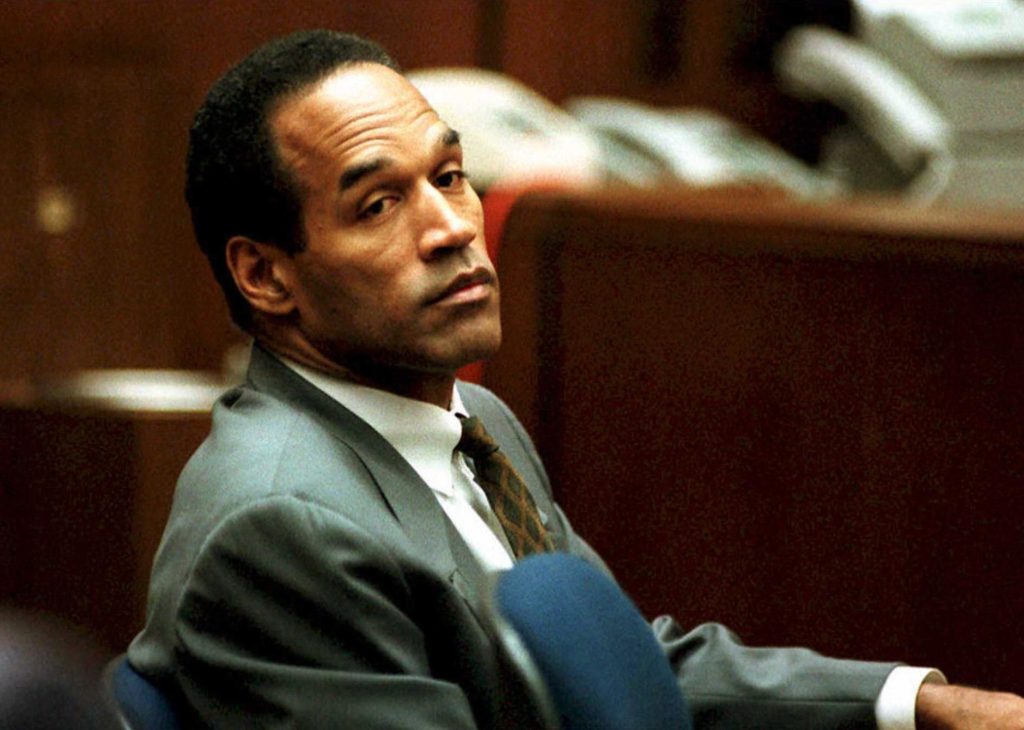
Winning a civil judgment does not mean receiving immediate payment. O.J. Simpson was ordered to pay $33.5 million following the 1997 civil trial brought by the families of Nicole Brown Simpson and Ron Goldman. He largely avoided paying through a combination of asset sheltering, including his NFL pension, which under federal law is protected from creditors. Simpson lived comfortably in Florida, a state with strong homestead exemption laws, for years after the judgment.
Many celebrity defendants also carry insurance policies that cover certain civil claims, particularly defamation and privacy matters. The insurer negotiates and pays the settlement, not the celebrity personally. This means the financial pain reported publicly does not always reflect what the individual actually paid out of pocket.
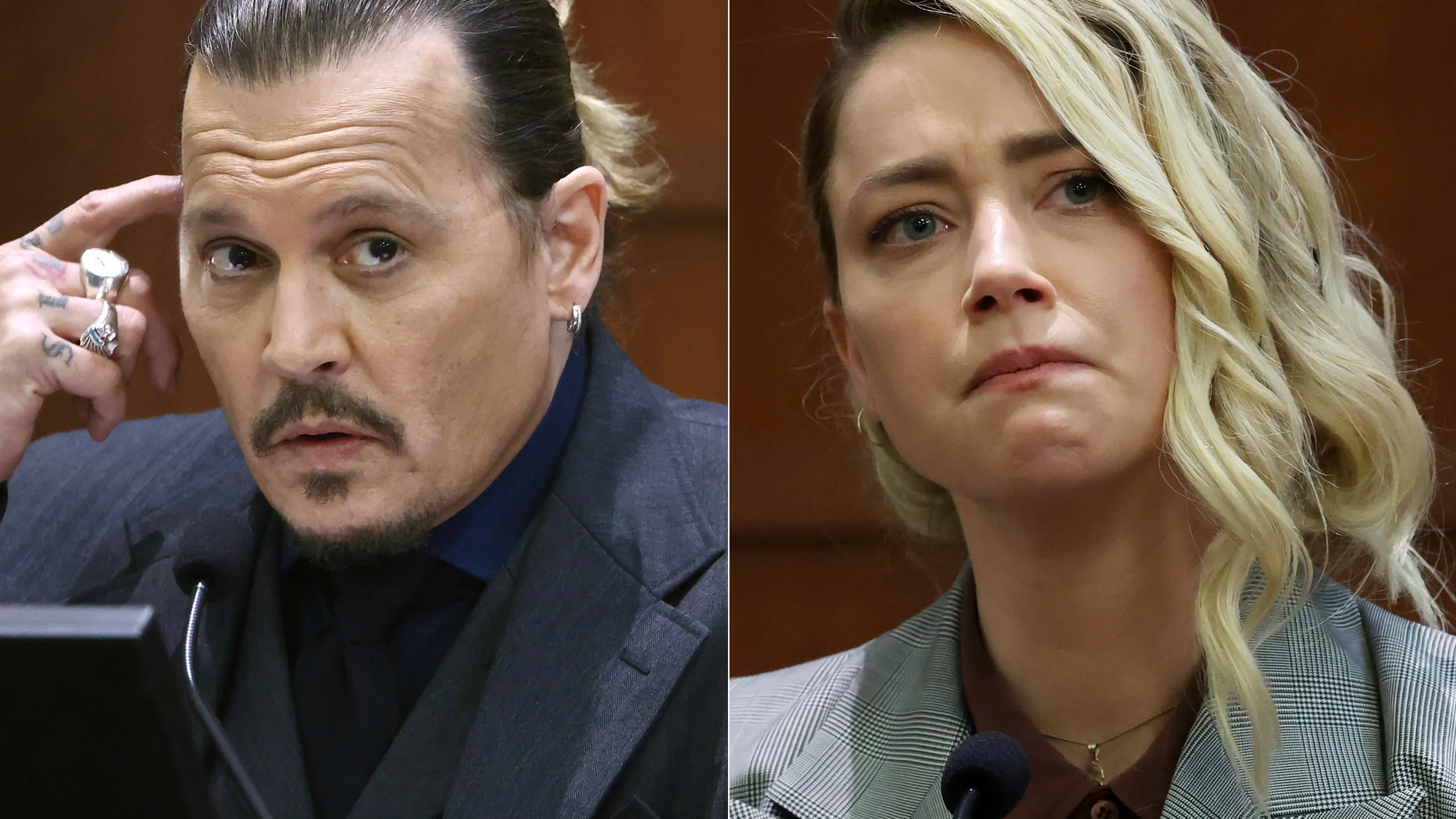
The six-week televised trial between Johnny Depp and Amber Heard generated more than a verdict. It generated one of the most consequential case studies in modern defamation law.
Depp sued Heard over a 2018 Washington Post op-ed in which she described herself as a public figure representing domestic abuse survivors. The op-ed did not name Depp, but Depp argued it was understood to refer to him and had caused irreparable damage to his career, including his removal from the Pirates of the Caribbean franchise.
The jury sided overwhelmingly with Depp, awarding $10 million in compensatory damages and $5 million in punitive damages. Virginia's statutory cap reduced the punitive award to $350,000, bringing the total to approximately $10.35 million. Heard received $2 million in her countersuit over statements made by Depp's attorney.
The legal fees alone reportedly exceeded $20 million combined for both parties. Depp's team spent years litigating across multiple jurisdictions, including a separate UK case against The Sun that Depp lost in 2020. By the time the Virginia verdict landed, the financial cost of fighting the defamation battle had far exceeded whatever the jury awarded.
Heard reportedly settled with Depp's insurer for approximately $1 million rather than paying the full judgment. Her career has generated significantly less revenue since the trial. Depp, despite his legal victory, has not returned to major studio franchises. The financial damage on both sides was real and lasting.
Insider Note:This is one of the clearest examples of a lawsuit where winning did not mean profiting. Depp spent an estimated $10 million in legal fees to recover a net judgment of $10.35 million. When you subtract the legal costs, the financial gain from the verdict was negligible. The real value was reputational, not financial.
Terry Bollea, known publicly as Hulk Hogan, sued Gawker Media in Florida after the publication posted footage from a sex tape involving him without his consent. The jury awarded $115 million in compensatory damages and $25 million in punitive damages, for a total of $140 million.
Gawker's total assets were worth a fraction of that figure. The judgment forced the company into bankruptcy, and its properties were sold to Univision, which shut down the Gawker flagship site permanently. One lawsuit ended a media company that had operated for 14 years and published work from hundreds of journalists.
What made this case unusual was later revealed: billionaire Peter Thiel, a longtime Gawker critic, had secretly funded Hogan's litigation. Thiel reportedly spent approximately $10 million financing the case. The arrangement raised profound questions about whether wealthy individuals could effectively weaponize the legal system against media organizations by financing litigation that the average person could never afford.
The financial precedent here extended far beyond the verdict. Media companies across the country reviewed their editorial policies on celebrity privacy content, calculating litigation risk in ways they had not previously considered. Insurance premiums for media liability coverage rose. The chilling effect on privacy-invasive reporting was both immediate and measurable.
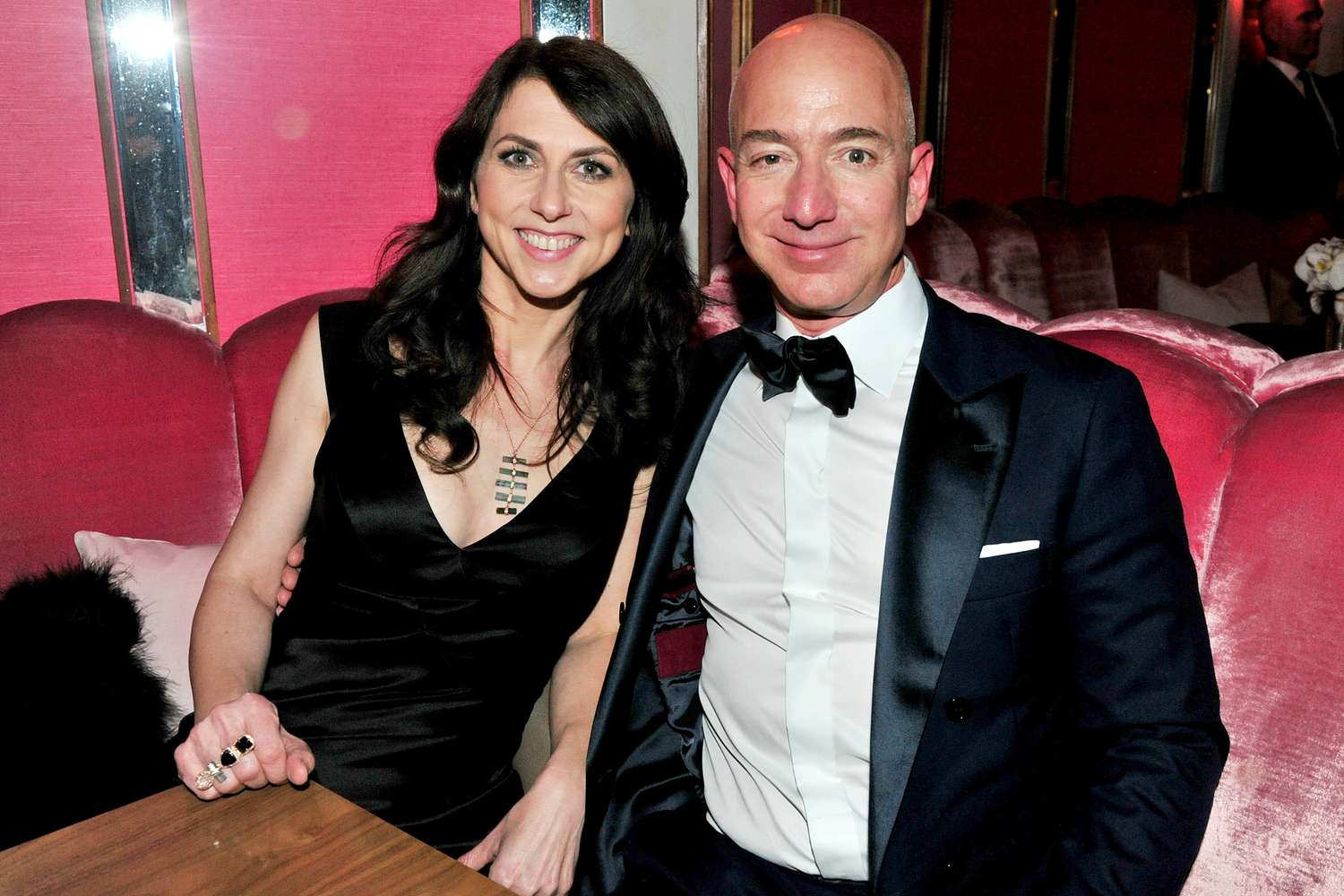
The Bezos divorce is in a category by itself. When Jeff and MacKenzie Bezos announced their separation in January 2019, they held a combined estimated net worth of approximately $137 billion, largely in Amazon stock. The absence of a prenuptial agreement meant that MacKenzie was entitled to a significant share of the wealth accumulated during their 25-year marriage.
The settlement gave MacKenzie Scott 25% of the couple's Amazon shares, approximately 19.7 million shares valued at around $38 billion at the time of the transfer. Jeff Bezos retained voting control of her shares, which she agreed to relinquish, and kept his position as Amazon's controlling shareholder.
The case set a benchmark for high-asset divorce negotiations, demonstrating that even the wealthiest couples can resolve a settlement without prolonged court battles. The couple's joint announcement and cooperative framing saved millions in legal fees and protected Amazon's stock price from the uncertainty that adversarial proceedings would have created.
Scott has since donated more than $16 billion to charitable causes, demonstrating how a single legal settlement can redirect capital at a scale that rivals entire philanthropic foundations.
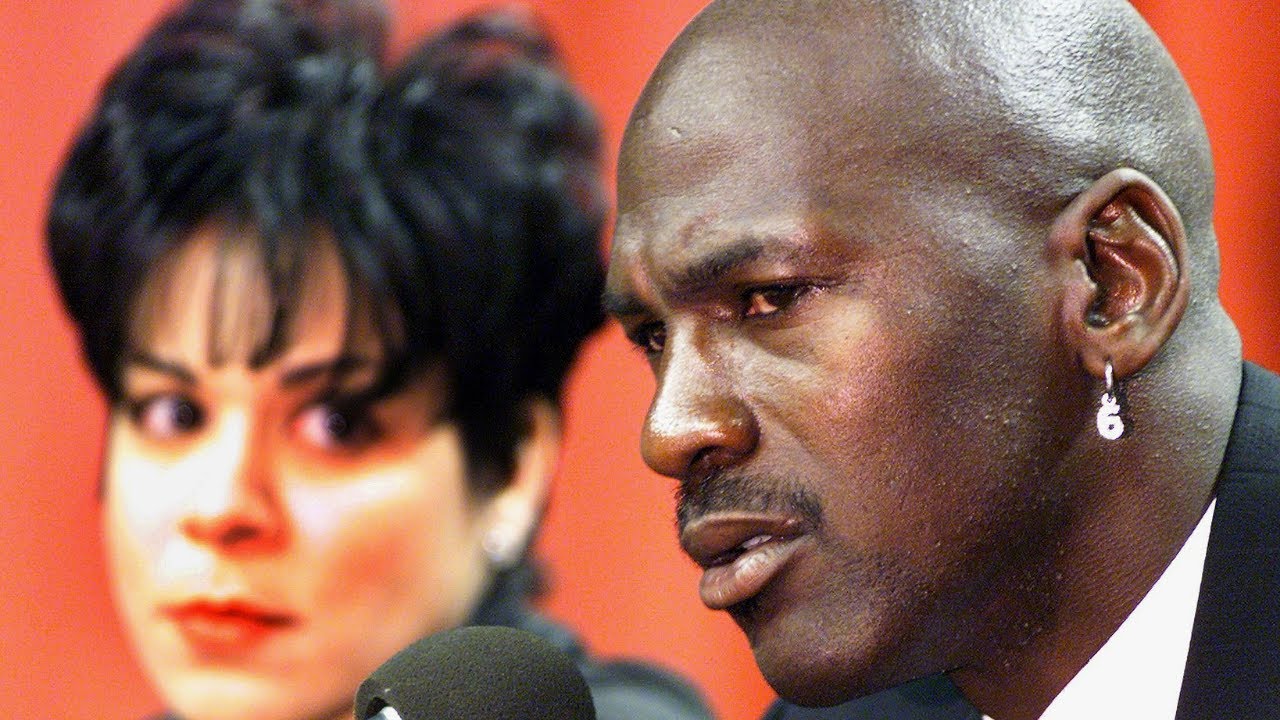
Michael Jordan's divorce from Juanita Jordan resulted in a $168 million settlement, one of the largest sports divorce settlements in historyat that time. The couple had been married for 17 years, and Jordan's wealth during that period included not only his NBA salary but also expanding business interests, Nike royalties, and investment income.
The settlement highlighted something that many athletes fail to consider: business empire diversification during a marriage creates significantly more marital assets than playing salary alone. Jordan's net worth at the time of the divorce was estimated at approximately $400 million, meaning the settlement represented roughly 42% of his known wealth.
Jordan's ability to absorb that loss and continue growing his fortune through the Jordan Brand and later his Charlotte Hornets ownership stake made him unusual. Most professional athletes with comparable divorce settlements face decade-long financial recovery periods.
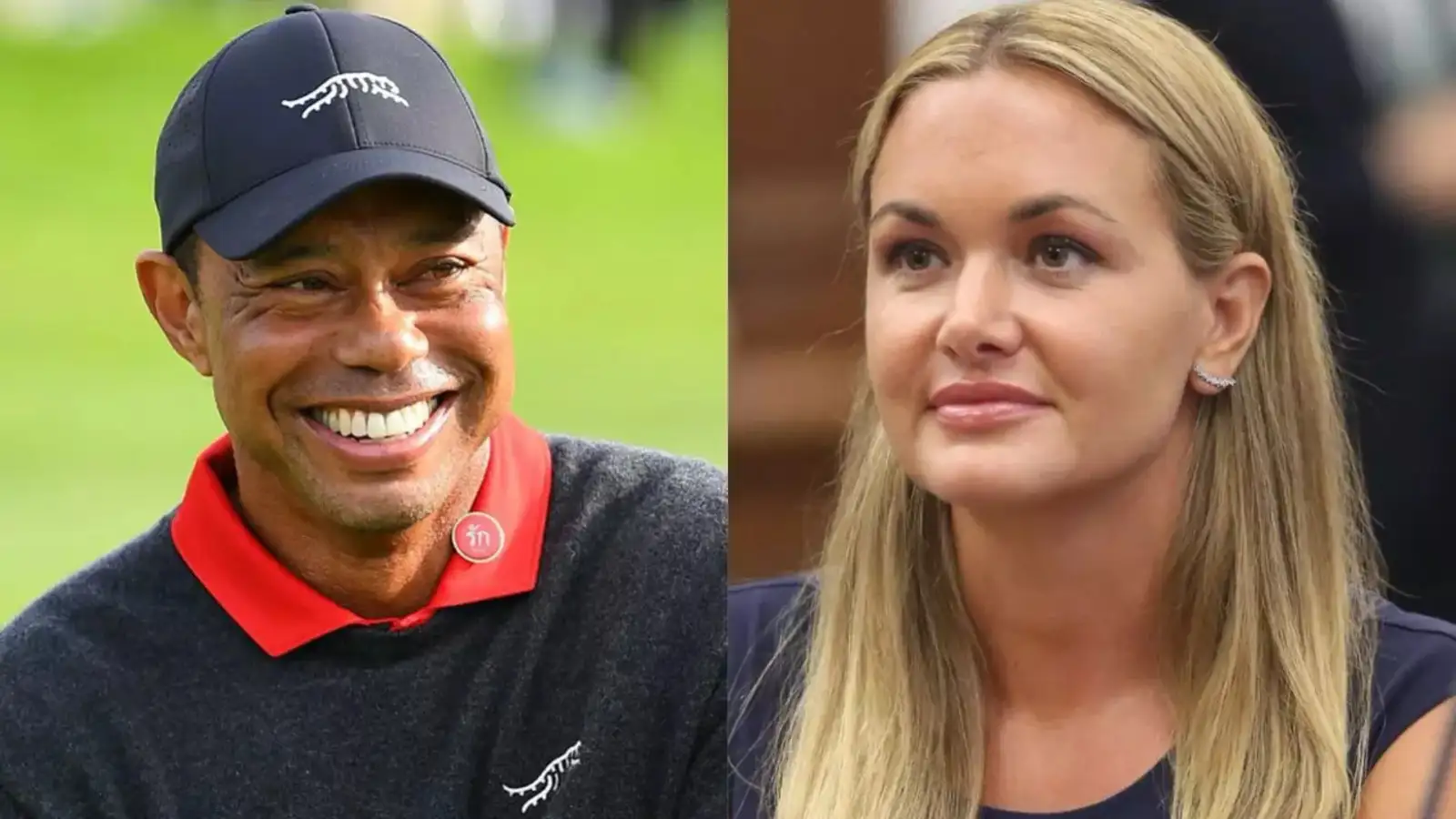
Tiger Woods reportedly settled his divorce from Elin Nordegren for approximately $100 million, though neither party confirmed the figure publicly. What made the settlement particularly significant was the role of the couple's prenuptial agreement, which had reportedly been renegotiated during the marriage, potentially strengthening Nordegren's financial position when the infidelity scandal became public.
The direct settlement cost was substantial. The indirect financial consequences were even larger. Woods lost endorsement deals with Accenture, AT&T, Gatorade, and General Motors in the months following the scandal.
Those cancellations represented estimated annual endorsement income of $100 million or more. The divorce settlement and the endorsement losses together represented a financial consequence that likely exceeded $200 million in total.
Woods never returned to his pre-scandal endorsement earnings, and his career trajectory changed permanently. The legal proceeding itself was the smallest part of the total financial damage.
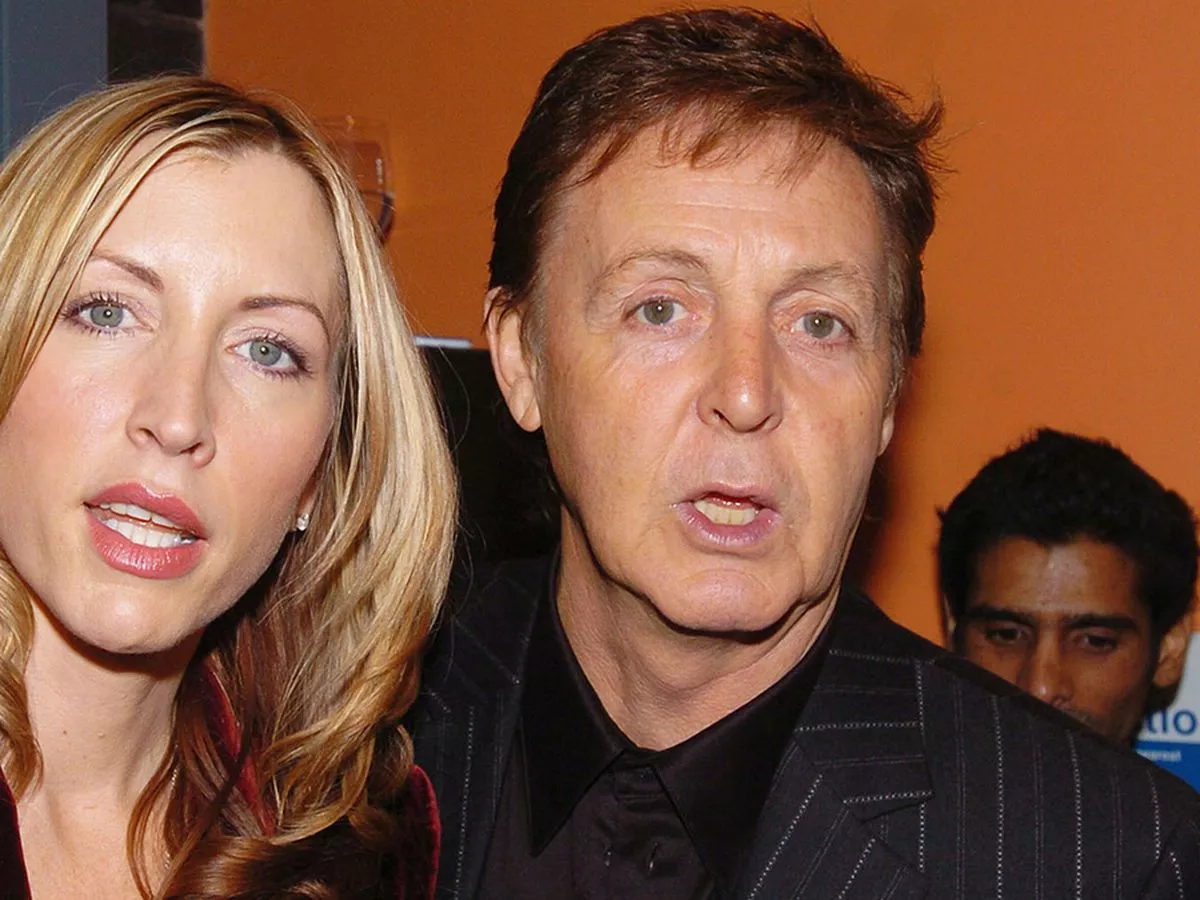
Paul McCartney's divorce from Heather Mills lasted four years and produced a $48.7 million settlement, along with a lump sum of $15.5 million for Mills's primary residence. The figure was significantly less than the $250 million Mills had sought through her legal team.
The case became notable partly because Mills represented herself during portions of the proceedings, a decision that the presiding judge, Justice Bennett, addressed directly in his ruling. Bennett expressed concerns about the reliability of Mills's evidence and noted inconsistencies in her financial claims, which contributed to the gap between what she sought and what she received.
McCartney's legal team successfully protected the most valuable asset at stake: his share of the Beatles publishing catalog. Mills had argued for a portion of McCartney's music royalties, but the court did not award ongoing access to future earnings from his pre-marriage catalog. Given that Beatles-related income continues generating hundreds of millions annually, protecting that asset was worth far more than the settlement amount itself.
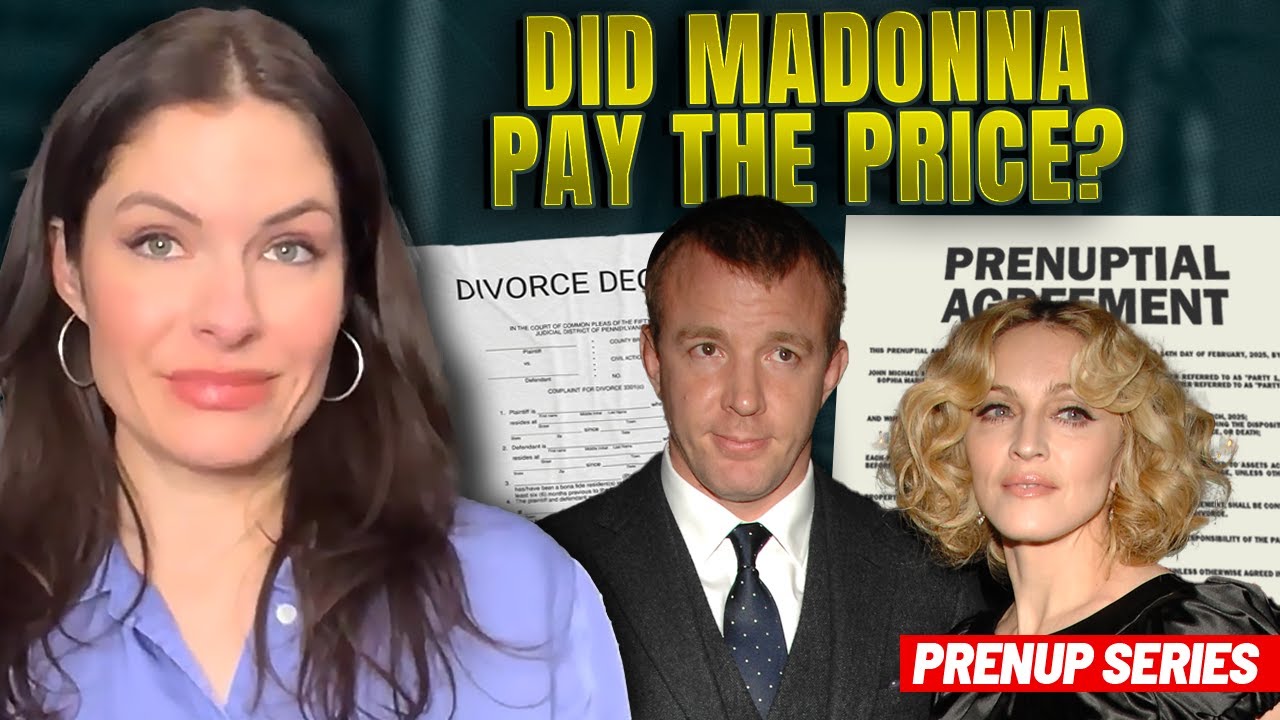
Did Madonna Pay the Price for No Prenup with Guy Ritchie
Madonna's divorce from Guy Ritchie cost an estimated $92 million despite a prenuptial agreement. The couple had accumulated significant shared wealth during their eight-year marriage, including property in the United Kingdom and the United States, and the prenuptial terms were reportedly rendered less effective by the scale of that accumulation.
The case is frequently cited in entertainment lawdiscussions as an example of why prenuptial agreements require regular review and updating. An agreement drafted when a celebrity's net worth is $100 million may offer very different protection when that net worth reaches $500 million after years of marriage. Courts in both the US and the UK can look beyond the terms of a prenup when circumstances have changed substantially.
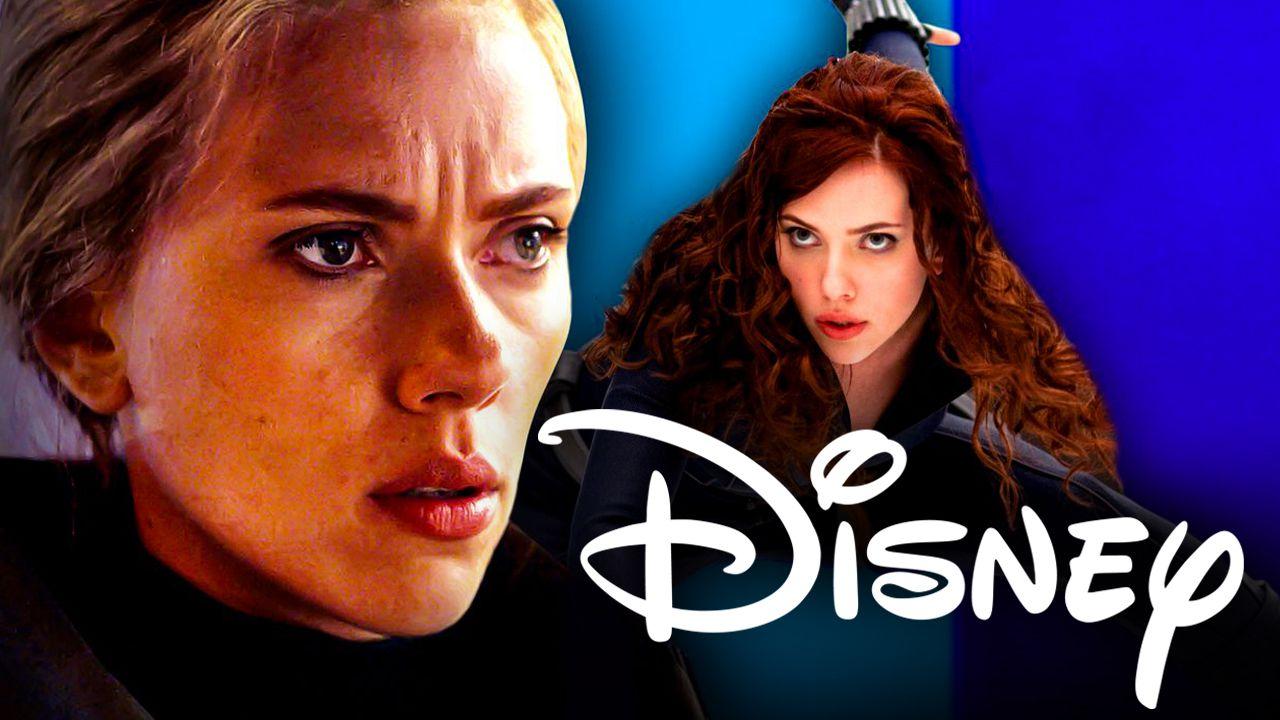
When Disney simultaneously released Black Widow in theaters and on Disney+ through its Premier Access program in July 2021, charging subscribers an additional $30 to watch at home, Scarlett Johansson filed suit. Her contract had guaranteed an exclusive theatrical release, and her compensation was tied to box office performance through bonus thresholds. A simultaneous streaming release undercut both guarantees.
Johansson argued the move violated her contract and cost her tens of millions in performance bonuses. Disney's initial public response was combative, stating that the lawsuit "lacked any merit whatsoever" and that the Disney+ release had in fact enhanced the film's performance. That response drew criticism from across the industry, with many viewing Disney's framing as dismissive of legitimate contractual concerns.
The case settled confidentially within months. Reports from Variety and other entertainment publications suggested the settlement totaled approximately $40 million, though Disney confirmed only that it was pleased to have reached an agreement.
The financial impact of the case extended far beyond the settlement. Within months, major talent agencies and entertainment lawyers began renegotiating streaming revenue clauses into every major star contract. Studios that had quietly assumed they could make distribution decisions without triggering talent compensation now faced explicit contractual language preventing it. The Johansson case effectively created a new standard for how streaming income factors into talent deals.
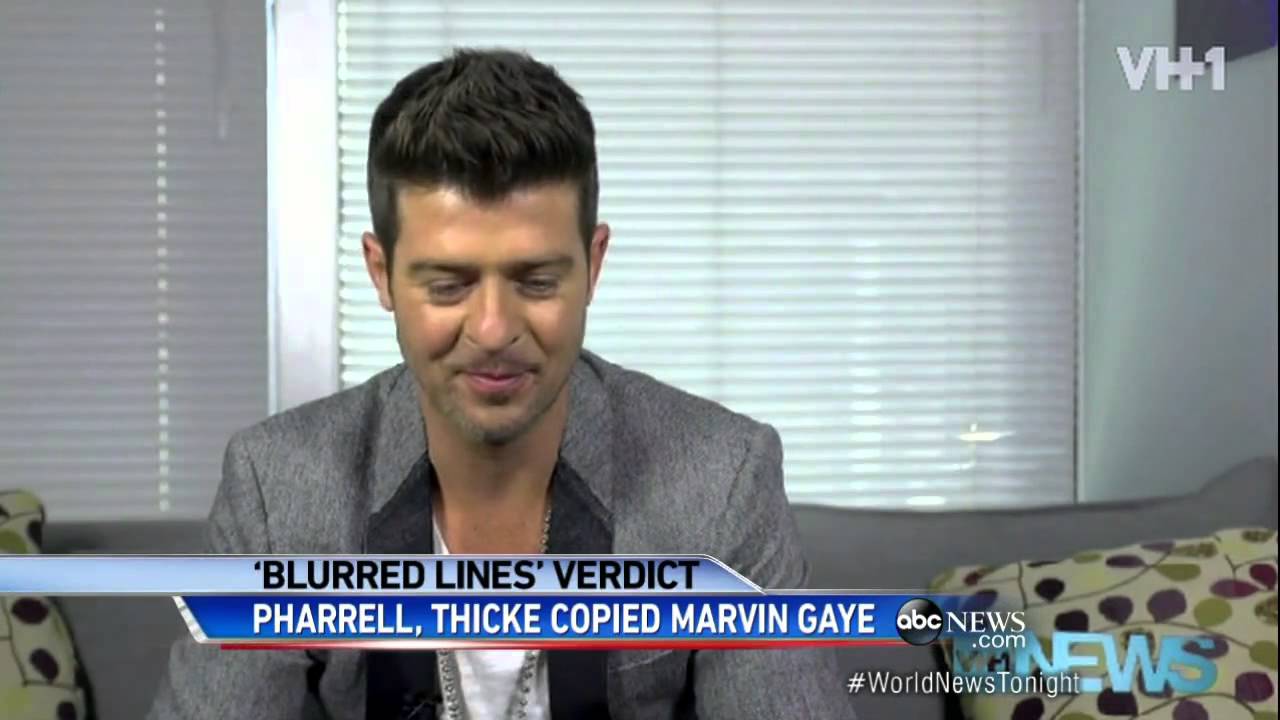
‘Blurred Lines’ case: Robin Thicke and Pharrell Williams Ordered to Pay $7.3 Million to Gaye Family
The verdict against Robin Thicke and Pharrell Williams in the "Blurred Lines" case sent a wave of anxiety through the music industry that has not fully subsided. The Marvin Gaye estate successfully argued that "Blurred Lines" copied the "feel" and "groove" of Gaye's "Got to Give It Up," despite the melody and lyrics being entirely different.
The jury awarded $7.4 million in damages. An appeals court upheld the verdict in 2018. The legal costs for both sides reportedly exceeded $5 million, making the total financial exposure of the case well above $12 million for Williams and Thicke alone.
What changed across the industry was the definition of what requires clearance. Before this verdict, most music lawyers advised clients that copyright protected specific notes, melodies, and lyrics. "Feel" and groove were considered stylistic choices that could not be owned. After the verdict, major artists began seeking retroactive clearances for songs already released, and new works were vetted with a much broader lens. The administrative cost of that industry-wide shift is incalculable.
Ed Sheeran, for example, subsequently spent an estimated $20 million defending multiple copyright claims, including disputes related to "Thinking Out Loud" and "Shape of You." He won those cases, but the financial burden of winning was itself substantial. The precedent set in the Gaye case had made it worth filing marginal claims.
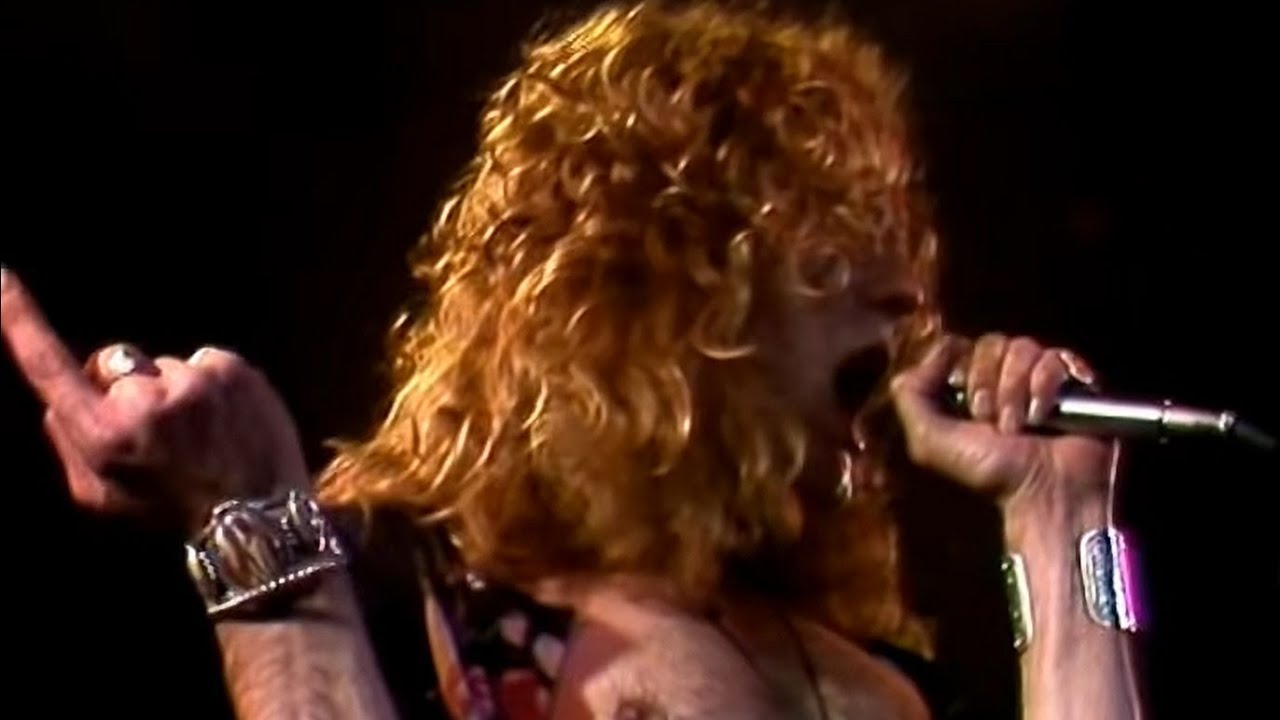
Led Zeppelin - Stairway To Heaven (Live at Earl's Court 1975) [Official Video]
Led Zeppelin spent the better part of a decade defending "Stairway to Heaven" against claims brought by the estate of Spirit guitarist Randy Wolfe, who argued the iconic opening arpeggio was taken from Spirit's 1968 instrumental "Taurus." The band ultimately prevailed after multiple trials and a significant appeals court ruling in 2020 that clarified the standards for proving musical plagiarism.
The band's legal fees defending the case across more than a decade are estimated to have exceeded $10 million, a high cost for a victory. The case established clearer standards for proving access to a work and what constitutes substantial similarity in the elements that copyright actually protects, as opposed to common musical building blocks that all musicians share.
The Hulk Hogan vs. Gawker case is the most financially devastating celebrity privacy lawsuit on record. But privacy violations in the entertainment space extend well beyond that single case, and they increasingly involve digital image rights rather than physical surveillance.
Kim Kardashian's successful lawsuit against fashion retailer Missguided resulted in a reported $2.7 million settlement after the company used unauthorized images resembling Kardashian in its advertising without permission. The case established useful precedent for how celebrities can pursue financial remedies for unauthorized commercial use of their image or likeness on social media platforms.
The pattern across privacy cases is consistent: when companies treat celebrity images as free marketing material, assuming no enforcement will follow, litigation now regularly proves them wrong. Insurance companies in the advertising and fashion industries have updated their coverage requirements accordingly.
In the UK, phone hacking litigation produced a different but equally significant set of financial consequences. Prince Harry settled with News Group Newspapers for more than £10 million (approximately $12 million USD), with NGN accepting responsibility for unlawful information gathering conducted by private investigators working for The Sun. Harry separately won £140,600 (approximately $179,600 USD) in damages from Mirror Group Newspapers after a court found widespread and habitual phone hacking.
The financial fallout for a high-profile figure often hinges on how their actions are interpreted across both civil and criminal justice systems, where a single guilty verdict can trigger a cascade of multi-million dollar liabilities that persist long after a prison sentence is served.
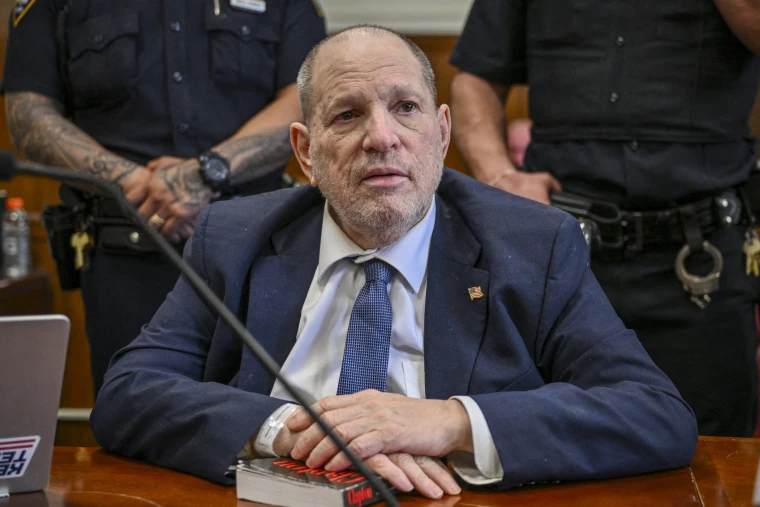
Harvey Weinstein's criminal convictions in New York in 2020 and Los Angeles in 2022 represented only part of the financial fallout from his conduct. The criminal proceedings required a legal defense that reportedly cost more than $25 million.
Beyond the criminal cases, a victim compensation fund established through civil litigation exceeded $47 million. The Weinstein Company, which he had co-founded, filed for bankruptcy in 2018 following the initial revelations, with assets distributed to creditors and, eventually, to assault victims.
The financial reverberations extended into the broader industry. Production insurance policies were revised to include new protections against liability for undisclosed sexual misconduct by key personnel.
Studio development slates were affected as financiers reevaluated projects associated with individuals facing similar allegations. The systemic cost of how Hollywood handled misconduct for decades became visible in ways that no single dollar figure can fully capture.
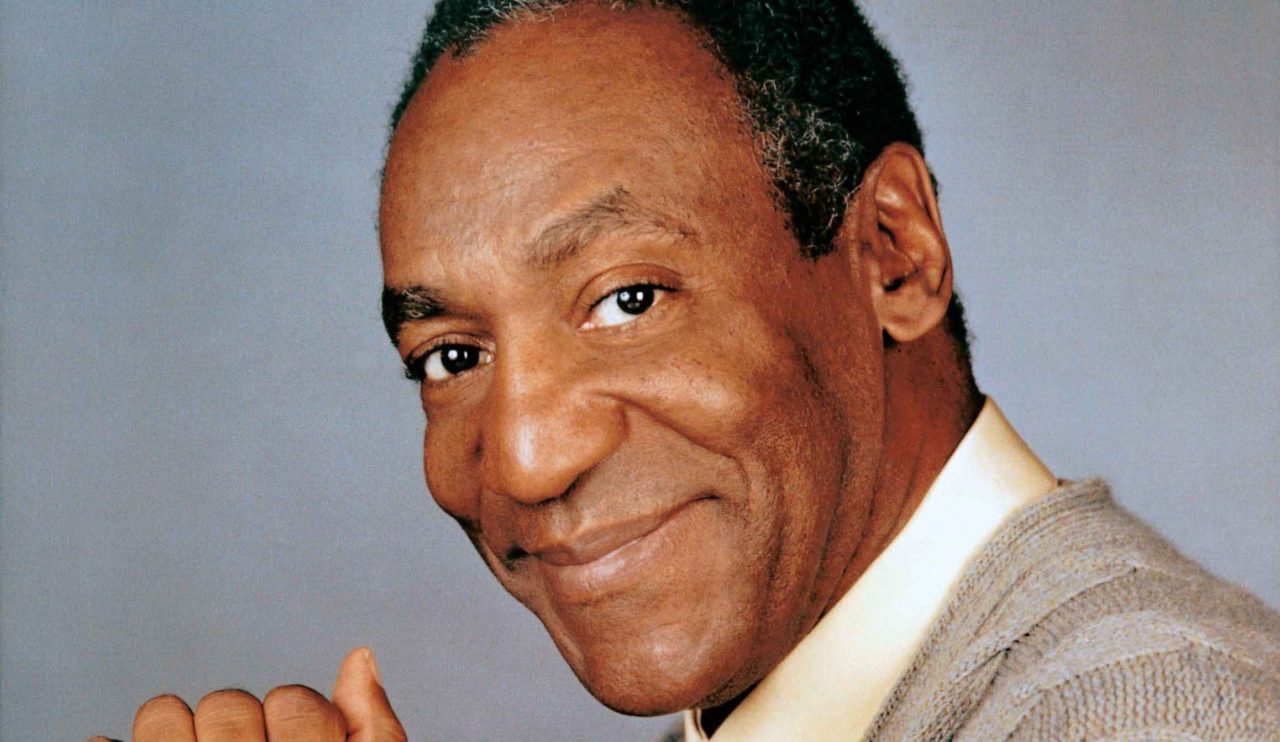
Bill Cosby's criminal conviction in 2018 was overturned by the Pennsylvania Supreme Court in 2021 on procedural grounds. But the civil liability exposure Cosby faced from multiple accusers continued, and the financial consequences of his legal troubles extend far beyond legal costs.
The Cosby Show was pulled from syndication on major networks and streaming platforms following the initial allegations in 2014. Syndication deals for a show of that scale generate tens of millions annually in residual income.
Honorary degrees from more than 50 universities were revoked, eliminating an entire dimension of his public standing. NBC shelved a planned new show that would have generated significant income.
When accounting for lost syndication revenue, cancelled projects, ongoing civil settlement costs, and criminal defense expenses, analysts have estimated total financial consequences exceeding $400 million. No single verdict accounts for that number. The destruction is the sum of every revenue stream that stopped flowing.
O.J. Simpson's 1995 criminal acquittal in the murders of Nicole Brown Simpson and Ron Goldman remains one of the most contested verdicts in American legal history. In 1997, a civil jury found Simpson liable for both deaths and ordered him to pay $33.5 million in compensatory and punitive damages to the victims' families.
He paid very little of that judgment. Simpson moved to Florida, which at the time had no limit on the homestead exemption, protecting his primary residence. His NFL pension, protected under federal law from civil creditors, provided ongoing income.
The families received some funds from the sale of Simpson's Heisman Trophy and other memorabilia through court-ordered liquidation, but the bulk of the $33.5 million judgment went uncollected before he died in 2024.
The Simpson case remains the most prominent American example of a large civil judgment that was effectively rendered uncollectable through deliberate use of asset protection strategies. It led directly to changes in Florida's homestead exemption law, which now has a cap, and renewed discussions about how civil judgments are enforced against high-asset defendants.
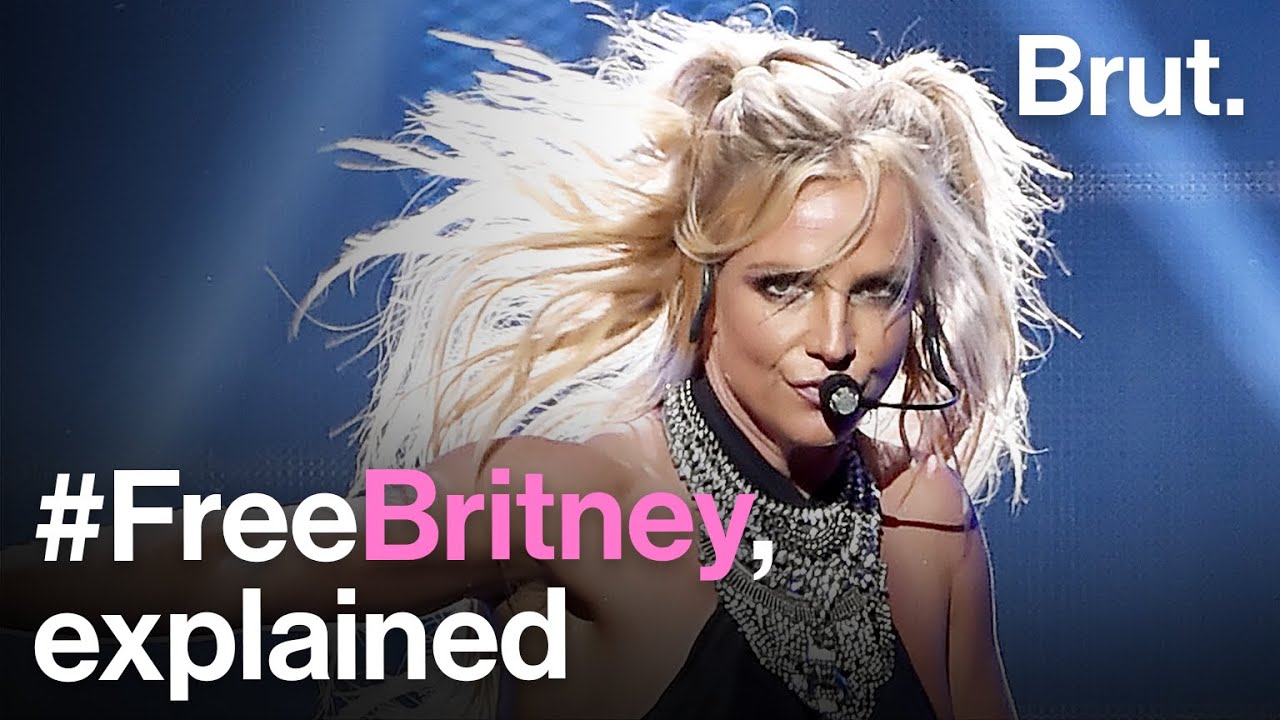
The legal battle surrounding Britney Spears's conservatorship is unlike every other case on this list because there was no adversarial trial between two parties seeking damages. Instead, it was a court-supervised legal arrangement that controlled her finances and personal life for 13 years, from 2008 to 2021.
During that period, court documents filed in California revealed that the conservatorship oversaw more than $600 million in earnings. Those funds paid for legal fees, conservator compensation, management costs, and approved personal expenses. Spears herself had no direct control over her own money, career decisions, or personal choices without permission from her conservators.
The financial dispute that followed the conservatorship's termination in November 2021 centered on Jamie Spears, her father and former conservator, who reportedly sought more than $2 million from her estate to cover his legal fees. Britney's attorneys argued he had already taken millions from the estate during his tenure. That dispute was settled for an undisclosed amount in April 2024.
The lasting financial consequence was not primarily the money itself but the precedent. California subsequently enacted conservatorship reform legislation informed in part by the public attention Spears's case generated. Courts are now required to review conservatorship arrangements more regularly and provide protected persons with clearer legal rights to contest the arrangements controlling their lives and finances.
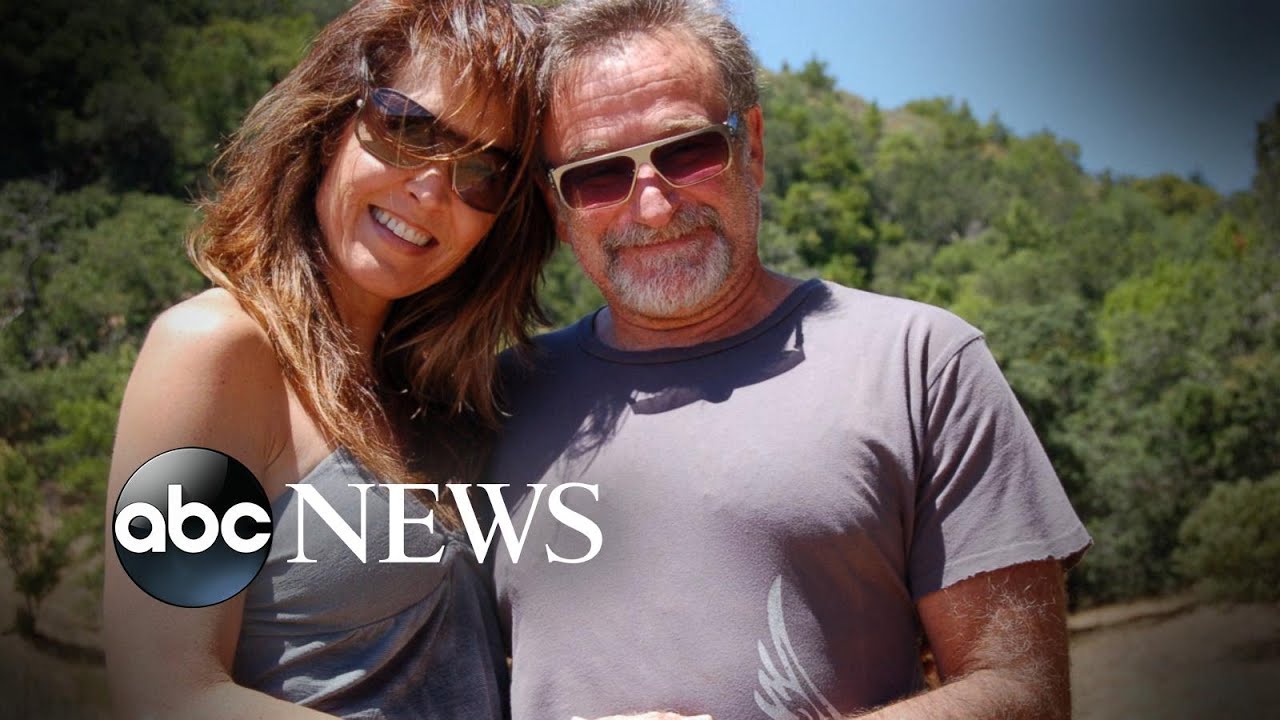
Robin Williams' Widow Opens Up About Legal Battle Over His Estate
Robin Williams' estate battles led to new California legislation protecting celebrity publicity rights after death. The Robin Williams Act prevents unauthorized commercial use of deceased performers' likenesses without estate permission.
The dispute between Williams' widow and children over his estate's distribution involved assets worth over $50 million, including valuable film and comedy catalog rights.
The case demonstrated how celebrity estates can become battlegrounds between family members, requiring careful legal planning to prevent lengthy disputes after death.
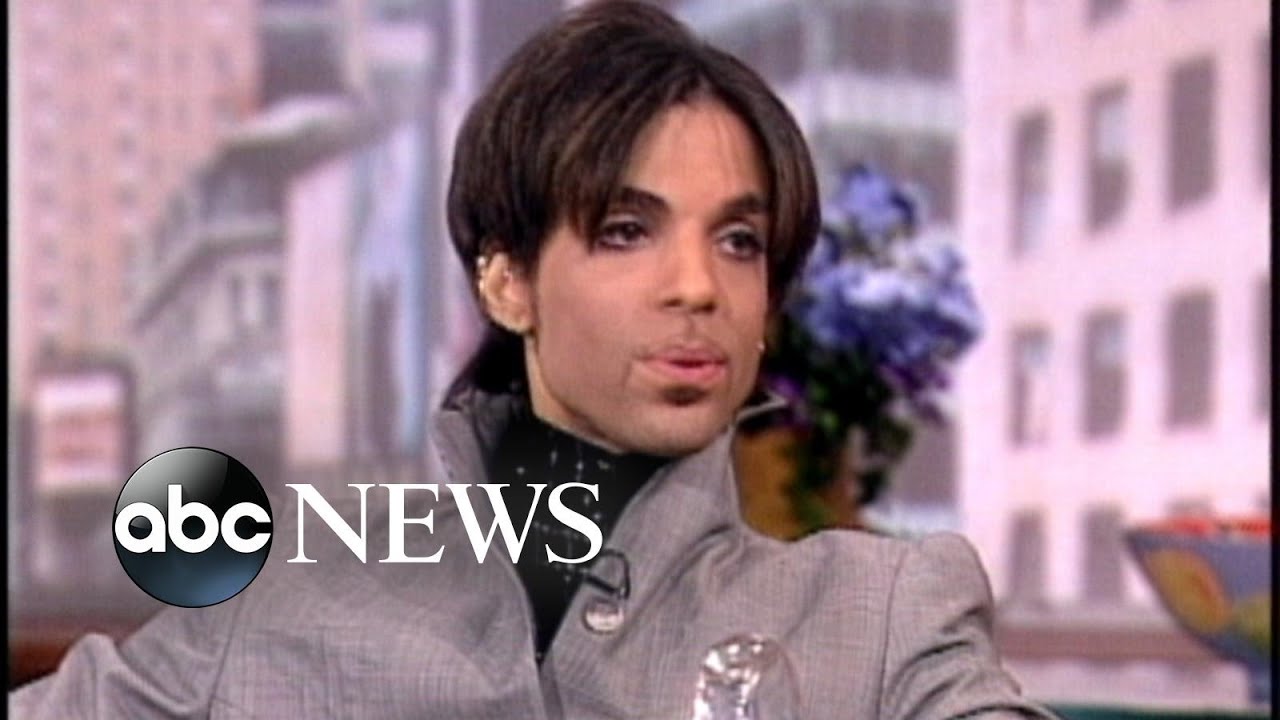
Prince's death without a will created a massive legal battle over his estimated $200 million estate, including vast music catalogs and unreleased recordings. The case continues generating millions in legal fees while family members dispute asset distribution.
The complexity of Prince's estate, including master recordings, publishing rights, and Paisley Park, required specialized entertainment law expertise, costing the estate millions in professional fees.
The case influenced how recording artists structure their estates to protect valuable intellectual property while minimizing family disputes over inheritance.
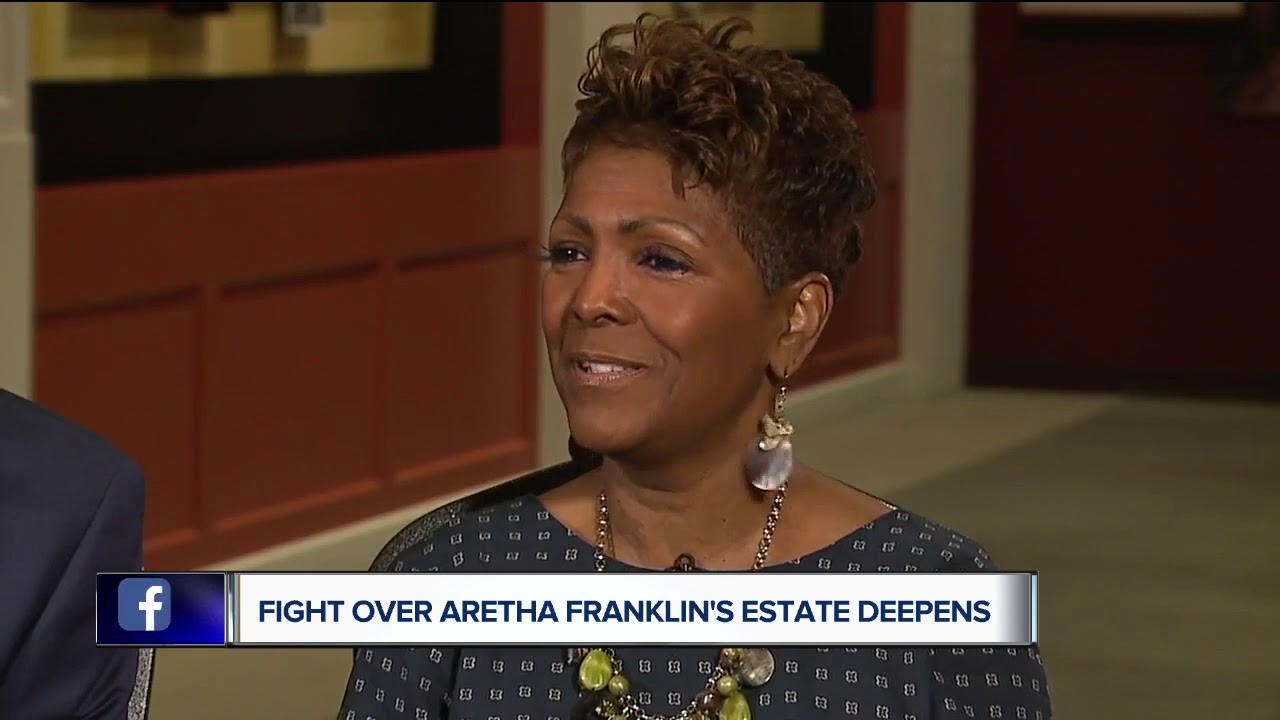
Aretha Franklin's estate dispute involved multiple wills discovered in her Detroit home, creating confusion over her $80 million estate's distribution among family members.
The case highlighted how even detailed estate planning can become complicated when multiple versions of important documents exist, requiring expensive court interpretation of the deceased's true intentions.
Franklin's valuable music catalog and real estate holdings continue generating revenue while family members dispute inheritance rights through ongoing litigation.
James Brown Estate Finally Settled After 15 Year Legal Battle
James Brown's estate has been embroiled in litigation for over 15 years, with various family members and alleged heirs claiming portions of his $100 million estate.
The case demonstrates how complex family situations can create decades of expensive litigation, with legal fees sometimes exceeding the disputed assets' value.
Brown's valuable music catalog continues generating revenue, but distribution remains frozen pending resolution of competing inheritance claims.
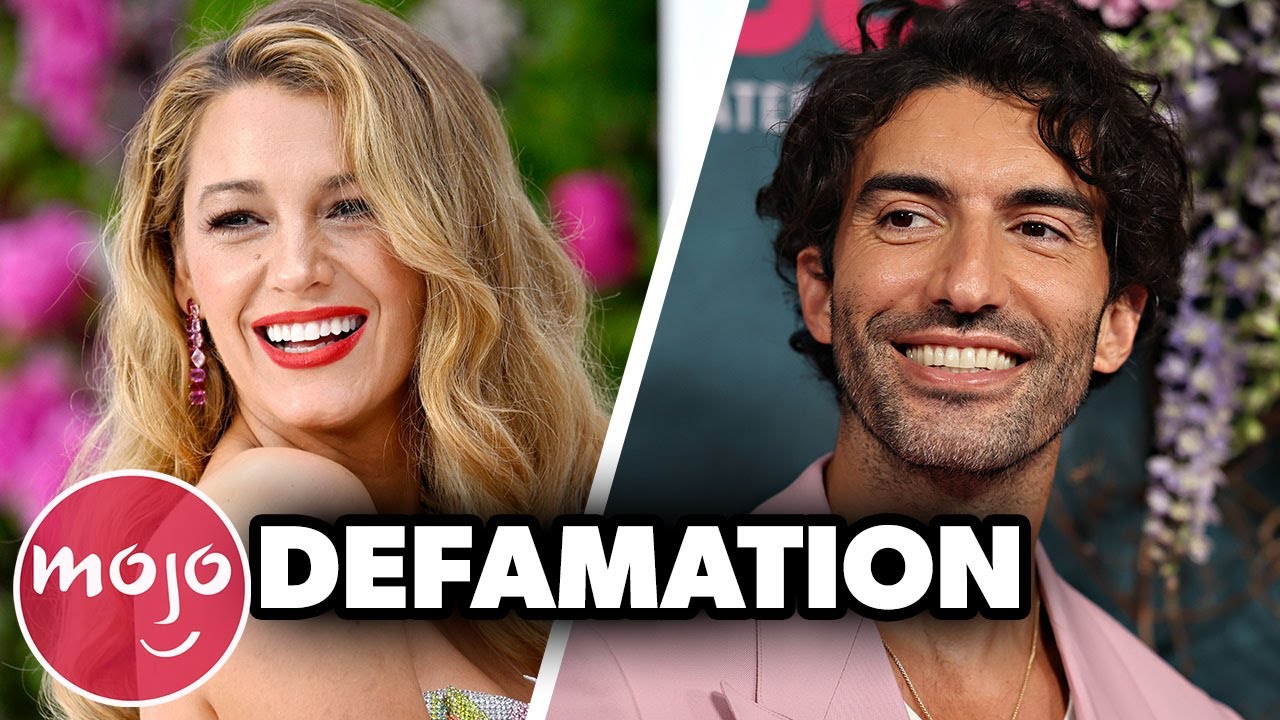
The legal dispute between Blake Lively and director Justin Baldoni, stemming from the production of It Ends With Us, had produced multiple lawsuits with a combined claimed damages figure exceeding $650 million as of April 2026.
Lively filed a sexual harassment complaint with the California Civil Rights Department and subsequently sued Baldoni in the Southern District of New York. Baldoni filed a $250 million libel suit against The New York Times and a separate $400 million suit against Lively and her husband Ryan Reynolds, alleging they attempted to seize creative control of the film.
A trial date has been set for March 2026. Given that most cases of this type settle before trial, the final financial outcome remains uncertain. What is already clear is that both sides have incurred high legal costs and that the reputational and professional damage to both parties has been substantial, regardless of how the litigation ultimately resolves.
How Sean 'Diddy' Combs' verdict could impact pending civil cases
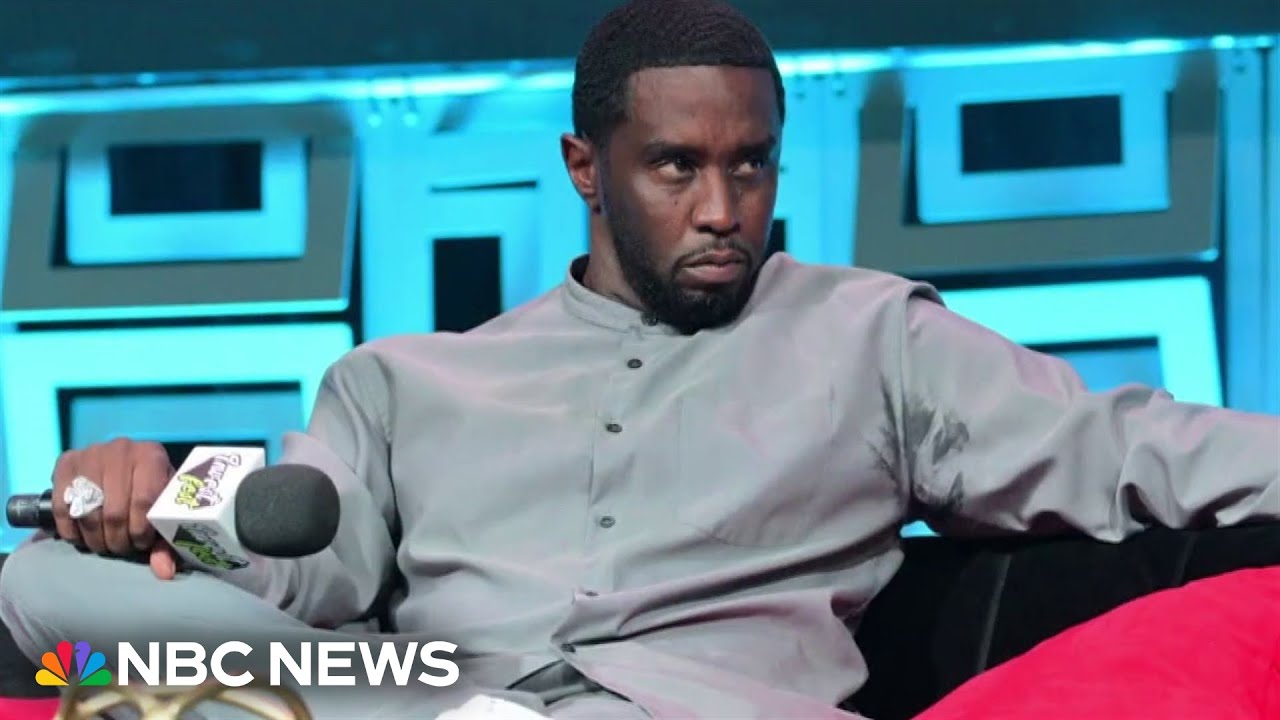
Sean Combs was arrested in September 2024 and has been held in federal custody pending trial on charges including sex trafficking and racketeering. According to BBC reporting, the number of civil cases filed against him may be in the range of 300.
Alleged victims include individuals claiming assault across a range of circumstances spanning more than two decades. The financial consequences of this litigation, if the civil cases proceed and produce verdicts or settlements, could be among the largest in entertainment history.
The scale of the alleged conduct, the number of plaintiffs, and the potential for punitive damages in multiple jurisdictions create a financial exposure that is genuinely difficult to estimate. Attorneys for Combs have denied the allegations.
Looking across the cases above, five recurring patterns explain why celebrity lawsuits generate financial consequences at a scale that ordinary litigation does not.
First, legal fees accumulate faster than the law moves. In every major case here, both sides spent years and tens of millions before a verdict or settlement was reached. Winning a case does not recover those costs. Losing a case compounds them.
Second, the headline verdict number is rarely the final number. Statutory caps, insurance coverage, asset sheltering, structured payment arrangements, and confidential settlements all mean the figure reported in the press is a starting point, not a conclusion.
Third, the indirect financial consequences often exceed the direct legal costs. Tiger Woods's endorsement losses dwarfed his divorce settlement. The Weinstein Company's bankruptcy destroyed more value than any single victim compensation payment. Cosby's syndication losses exceeded his legal bills many times over.
Fourth, industry-wide behavioral changes generate financial consequences that are impossible to assign to any single case but are real and measurable. The "Blurred Lines" verdict increased music licensing costs across an entire industry. The Johansson settlement changed how every major studio writes talent contracts.
Fifth, winning does not always mean recovering. Depp spent years in litigation and received a net financial gain from the verdict that barely covered his legal costs. Hogan received $140 million and watched Gawker disappear, but he also spent years in a legal battle financed by someone else's money. The legal system is not designed to make plaintiffs whole. It is designed to resolve disputes. Those are not the same thing.
For celebrities and public figures, the courtroom is not a place where justice is cheap, quick, or financially uncomplicated. It is a place where the stakes are always high, the costs are always high, and the outcomes are rarely as clean as the headlines suggest.
Not legally, but enforcement can be complicated. Courts can seize assets, garnish wages, and place liens on property to collect a judgment. High-asset individuals sometimes shield income through pension protections and state homestead exemptions, as O.J. Simpson did after his 1997 civil judgment.
Compensatory damages cover actual losses such as lost income and reputational harm. Punitive damages are awarded to punish especially harmful behavior and are in addition to compensatory awards. Many states cap punitive damages by statute, which is why jury awards are often reduced before a final judgment is entered.
Generally, yes, depending on what the settlement compensates for. Settlements for physical injury or illness are typically tax-free under US law. Settlements for lost income, emotional distress, or punitive damages are usually taxable as ordinary income. Tax treatment varies by jurisdiction and the specific terms of the agreement.
Some policies do. Defamation and privacy claims are often covered by media liability or personal umbrella policies. Criminal defense costs are almost always personal expenses. The existence of insurance coverage is one reason why the financial impact of a settlement often falls on an insurer rather than the celebrity personally.
High-profile cases frequently take two to five years from initial filing to final resolution. Estate disputes can last decades. The Jolie-Pitt divorce proceedings spanned approximately nine years. Cases that settle quickly, like the Johansson-Disney dispute, are the exception rather than the rule.
Litigation funding involves a third party providing financial resources to a plaintiff in exchange for a share of any judgment or settlement. Peter Thiel's secret funding of Hulk Hogan's lawsuit against Gawker is the most prominent entertainment-world example. Funding arrangements allow plaintiffs without sufficient resources to pursue expensive cases against well-funded defendants, but they also raise questions about who controls litigation strategy and whether the funders' interests align with the plaintiff's.
No verified comprehensive count exists across the full range of celebrity litigation. Among living individuals, recording artists with extensive catalogs face sustained copyright litigation. Estate entities for figures like Elvis Presley, Prince, and James Brown have been involved in continuous litigation across multiple decades. Among individuals, Sean Combs now faces the highest known volume of civil claims simultaneously, with reported filings in the range of 300 cases as of April 2026.
Insufficient documentation of damages, inconsistent prior statements, failure to preserve relevant evidence, and underestimating opposing counsel's ability to use social media history against them. In defamation cases specifically, the "actual malice" standard makes it difficult for public figures to win unless they can demonstrate the defendant knew a statement was false or acted with reckless disregard for the truth.
Fame does not confer immunity from financial devastation through the legal system. What it does confer is the ability to wage longer, more expensive battles before the outcome is determined.
The cases in this article span defamation, divorce, copyright, contract, privacy, and criminal civil liability. What connects them is not celebrity. It is the scale of what was at stake and the financial reality that even in the cases where someone clearly won, the cost of winning was enormous.
The most important lesson across all of these cases is one the entertainment industry has slowly and expensively absorbed: courts do not care how famous you are, how powerful your studio is, or how loyal your fan base might be.
They care about contracts, evidence, and the law. Every celebrity who has sat at a defendant's table believing their reputation would carry the day has eventually discovered that the courtroom operates by a completely different set of rules than the one that governs everywhere else in their lives.