Cardillo Law Expands Focus On Termite Damage Claims Amid Rising Property Disputes
Termite damage is often invisible until it isn't, and by the time homeowners discover it, the cost of repair can run into the tens of thousands of dollars.
Author:K. N.Aug 05, 20262K Shares53K Views
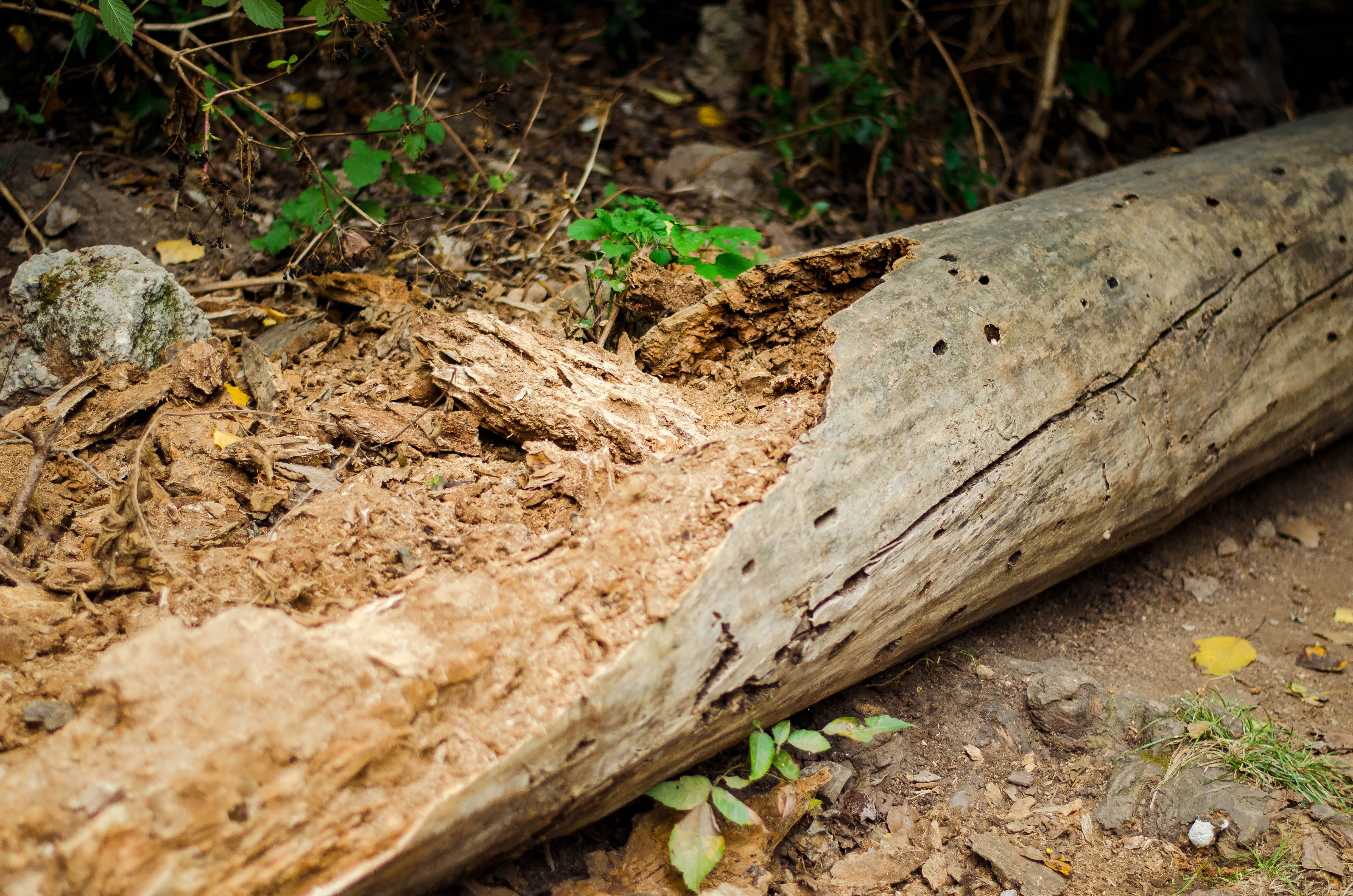
Termite damage is often invisible until it isn't, and by the time homeowners discover it, the cost of repair can run into the tens of thousands of dollars. As more property owners find themselves caught between insurance denials, negligent pest control companies, and sellers who failed to disclose known infestations, Cardillo Law has announced an update to its website highlighting an expanded focus on termite-related property damage claims.
The firm's newly updated homepage reflects a broader effort to make its full range of property damage services easier for prospective clients to find, with termite litigation now featured as one of its core practice areas. According to the firm, the update comes in response to a steady rise in inquiries from homeowners who discovered structural damage only after closing on a property, or after a pest control company failed to catch or properly treat an active infestation.
"Termite cases tend to involve more moving parts than people expect," a representative of the firm said. "You're often looking at questions of disclosure, questions of whether a pest control contract was actually honored, and sometimes questions about how an insurance policy is being interpreted to deny a claim it should cover."
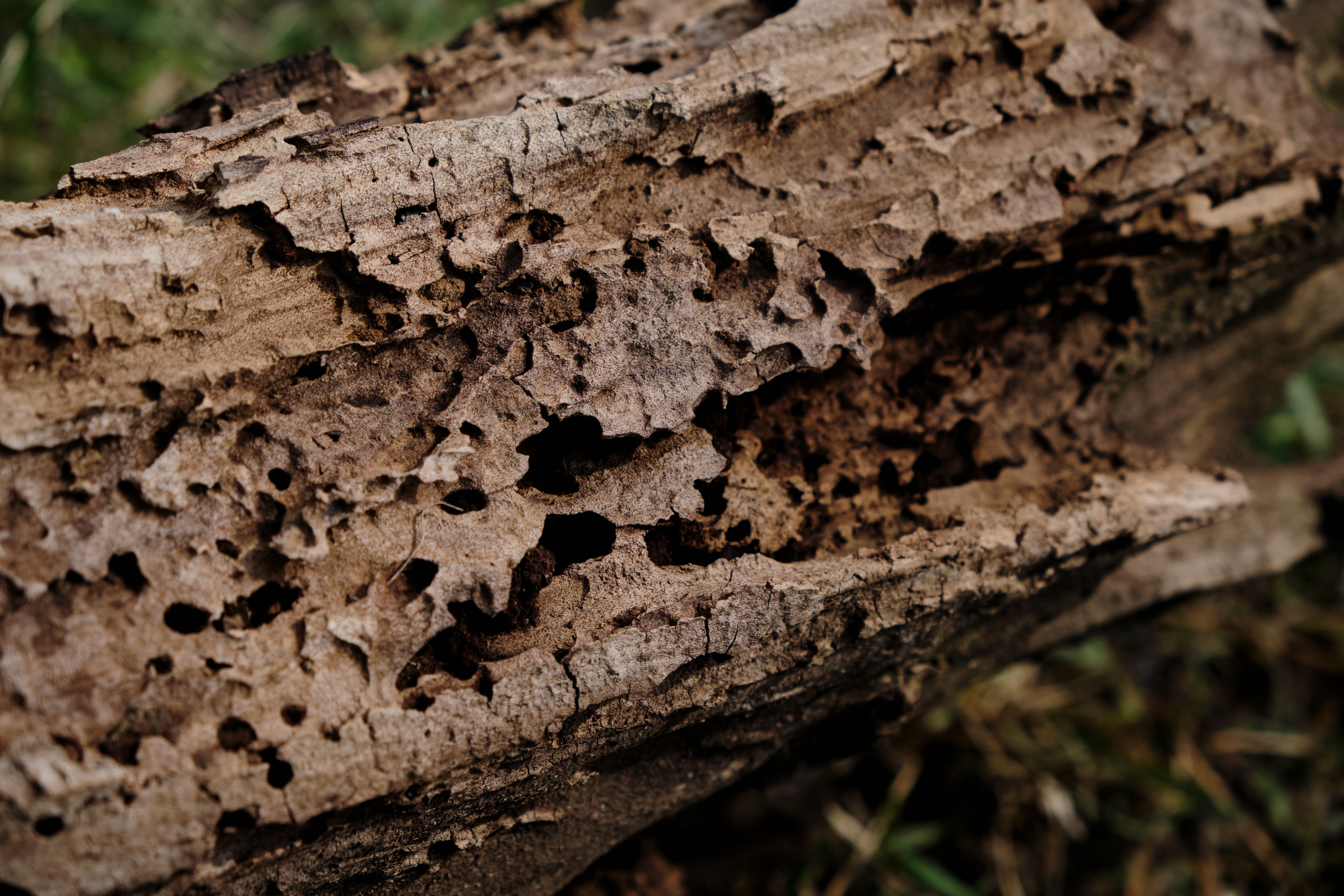
Termite damage claims typically fall into a few recurring categories. In real estate transactions, sellers in many states are legally required to disclose known pest issues, and a failure to do so can open the door to a claim against the seller or the inspector who missed the damage. In other cases, homeowners under an active termite protection contract find that the pest control company failed to perform inspections as promised, allowing damage to progress unchecked. There are also disputes with insurers, who frequently classify termite damage as a maintenance issue rather than a covered loss, even when the homeowner had no reasonable way to detect the infestation earlier.
Because termite damage often develops slowly and out of sight, proving when the damage occurred and who bears responsibility for it requires detailed documentation. Attorneys handling these cases frequently work with structural engineers and pest control experts to establish a timeline, since the strength of a claim often comes down to whether the damage can be tied to a specific failure, whether that is a missed inspection, an undisclosed condition, or a wrongfully denied claim.
For homeowners weighing whether they have a case, the firm recommends acting quickly. Evidence of termite activity can be compromised by ongoing repairs, and statutes of limitations on property damage and contract claims vary by state, which means waiting too long to consult an attorney can eliminate options that would otherwise be available.

Those researching their options can find more detail directly from a termite damage lawyerthrough the firm's website, where the updated practice area page outlines the types of claims the firm handles and what documentation homeowners should gather before their first consultation.
As property values continue to climb in many markets, the financial stakes tied to undisclosed or improperly treated termite damage are rising with them. Cardillo Law says it expects termite-related disputes to remain a growing area of its practice as more homeowners look for legal recourse after discovering damage that was preventable, misrepresented, or simply ignored.
Anyone with questions about a potential claim can find additional information and contact details through Cardillo Law's website.

K. N.
Author
Latest Articles
Popular Articles